
Bad breath is no fun, especially when it strikes right before a meeting, a date or a long day of talking to people. Quick fixes such as drinking water, brushing your tongue or chewing a sugar-free xylitol mint can help for a while. But they mostly cover the odor. Lasting fixes deal with where it comes from: bacteria on the tongue, food trapped between teeth, a dry mouth, or gum disease and decay that only a dental visit can find.
This guide from the Timonium office of Dr. Steven W. Haywood, DDS sorts the quick fixes that genuinely help in everyday situations from the ones that backfire, then explains the habits and dental care that make fresh breath last. For a full rundown of causes and professional halitosis treatment, read bad breath causes and halitosis treatment.
Why quick fixes wear off
Most bad breath comes from bacteria in the mouth breaking down leftover food, plaque and dead cells, and releasing smelly compounds as they do. A mint or a splash of mouthwash adds a stronger scent on top, but it doesn’t remove the bacteria. Once the flavor fades, the odor returns. That is why the most useful quick fixes are the ones that actually clear something away or get saliva moving.
How to check your own breath
It is hard to smell your own breath by breathing into your hand. A few simple checks work better:
- Floss between your back teeth and smell the floss.
- Look at the back of your tongue in a mirror. A thick white or yellowish coating often goes with odor.
- Ask someone you trust to tell you honestly.
Quick fixes for everyday situations
Morning breath
Saliva flow drops overnight, so bacteria have hours to multiply undisturbed, and morning breath is normal for almost everyone. Brush your teeth and your tongue, working from back to front, then drink a glass of water. Breakfast helps too, because chewing gets saliva flowing again.
Right before a meeting, interview or presentation
- If you can, brush or at least rinse your mouth well with water.
- Brush or scrape your tongue if you carry a travel brush.
- Chew a sugar-free xylitol mint or gum to start saliva flowing. Xylitol mints also help reduce decay risk.
- Skip coffee in the half hour before, and sip water instead.
After a garlic or onion lunch
Strong foods like garlic and onions affect breath in two ways: particles left in the mouth, and odor carried on the breath after the food is digested. Brushing, flossing and cleaning your tongue deal with the first; only time deals with the second. If an important conversation is coming, choose lunch accordingly.
After coffee
Coffee can leave a lingering smell and a dry mouth. A glass of water alongside each cup, and a quick rinse afterward, makes a noticeable difference.
On a date or at a party
Alcohol tends to dry the mouth, and dry mouths smell more. Alternate drinks with water, and keep sugar-free mints on hand rather than sugary ones.
Long days of talking
Teachers, salespeople and anyone on the phone all day often find breath worse by afternoon, because talking dries the mouth. Keep a water bottle within reach and sip often.
When you’ve been skipping meals
Going a long time without eating means less chewing and less saliva, and breath often suffers. Some restrictive diets can also change how breath smells. Regular meals or small snacks, plus plenty of water, usually help.
With aligners, retainers or dentures
Anything that sits against your teeth can trap bacteria. With Invisalign, you take the aligners out to eat and drink, so brush before putting them back in and clean the aligners as instructed. Dentures should be taken out and cleaned with a brush and soaked as instructed. A clean appliance is one of the fastest breath fixes there is.
When you have a cold
A stuffy nose means breathing through your mouth, which dries it out. Drink plenty of water, keep brushing, and replace your toothbrush once you’re well. Read how often should I replace my toothbrush?
Quick fixes that backfire
- Sugary mints and gum. They mask odor briefly while feeding the bacteria that cause it, and sugar all day raises your risk of decay.
- Relying on mouthwash all day. A rinse can freshen breath for a while, but it doesn’t remove plaque, tartar or the bacteria in gum pockets.
- Scrubbing harder. Aggressive brushing doesn’t clean better and can irritate the gums. Read smart brushing beats aggressive brushing.
- Smoking or vaping to cover it up. Both dry the mouth and add their own odor. Read how smoking and vaping affect your teeth and gums.
The fixes that last
Clean your tongue every day
The rough surface at the back of the tongue holds bacteria and debris, and it is easy to skip. Brush it gently or use a tongue scraper, from back to front, every time you brush.
Clean between your teeth every day
Food trapped between teeth is a common source of odor that no toothbrush reaches. Floss, floss picks or a water flosser all work. Compare floss picks and regular floss or read why a water flosser might be a good idea.
Keep your mouth from drying out
Saliva is your mouth’s natural rinse. If your mouth feels dry most of the time, perhaps from medications, mention it at your visit, since medications and dry mouth can also set the stage for root decay. Read why dry mouth is dangerous for your teeth.
Keep up with professional cleanings
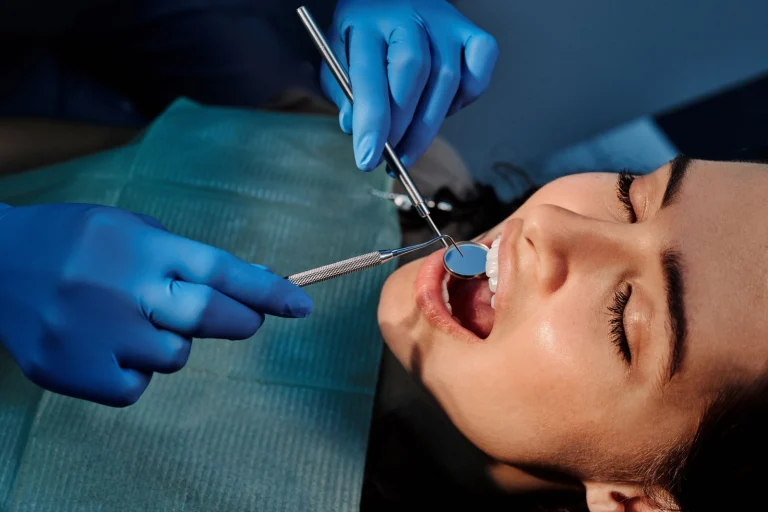
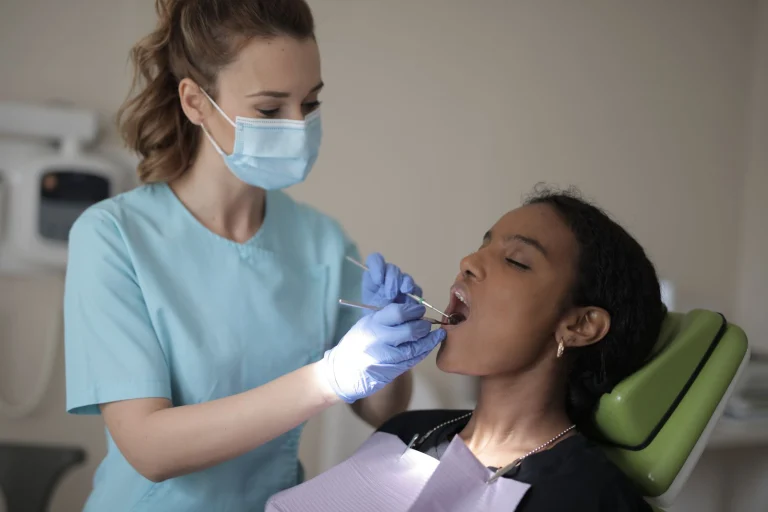
Plaque that is missed hardens into tartar, which holds bacteria and can only be removed with professional instruments. Cleaning appointments at the practice last a full 60 minutes, giving the hygienist time to remove plaque and tartar thoroughly and check your gums. A professional cleaning every six months is recommended.
Treat gum disease and decay
Bleeding or receding gums, bad breath and deep pockets in the gums mean infection, and no mint can fix that. Gum care at the practice is non-surgical: scaling and root planing removes harmful bacteria from beneath the gums, and oral DNA testing can identify which periodontal pathogens are present. For patients who prefer a holistic approach, laser and ozone therapy clear bacteria and infection from the gums without chemicals. Cavities and worn fillings that trap food are repaired with tooth-colored, mercury-free fillings. Read the five warning signs of gum disease.
When quick fixes stop working
Book a dental visit if:
- Bad breath or a bad taste lasts despite good brushing, flossing and tongue cleaning
- You find yourself needing mints or mouthwash all day
- Your gums bleed, look swollen or are receding
- A tooth hurts, feels loose or is sensitive
- Your mouth feels dry most of the time
At the visit, Dr. Haywood asks about your diet, medications and habits, and the exam looks for gum pockets, decay and infection with careful gum measurements, digital X-rays and intraoral cameras. If no dental cause is found, you’ll know it is worth raising with your physician. Learn more about gum disease treatment and preventive cleanings.
Paying for your visit
The practice is out of network with all dental insurance providers. You pay at the time of your visit, and the office files the claim on your behalf so your plan can reimburse you for whatever it covers. Health savings and flex plans are welcome, and financing is available through CareCredit, with no-interest options for up to 12 months, and Cherry, with plans from 3 to 24 months. See financing options.
Frequently asked questions
What is the fastest way to get rid of bad breath?
Brush your teeth and tongue, drink water and chew a sugar-free xylitol mint or gum. If you can’t brush, rinse well with water. These help for a while, but lasting fresh breath depends on removing the source.
Do mints fix bad breath?
Not on their own. Mints mask odor briefly. Sugar-free xylitol mints are the better choice, because they encourage saliva and help reduce decay risk instead of feeding bacteria.
How long does garlic breath last?
Part of garlic breath comes from food left in the mouth, which brushing and flossing remove. Part is carried on the breath after digestion, and that fades only with time.
Can a dental cleaning help bad breath?
Often, yes. A thorough cleaning removes the plaque and tartar that hold bacteria, and the exam can find gum disease or decay that may be behind persistent bad breath.
Freshen up for good in Timonium
If quick fixes have stopped keeping up, have your teeth and gums checked. Request an appointment or call (410) 453-9399. The office of Dr. Steven W. Haywood, DDS is at 108 W Timonium Rd, Ste 200, Timonium, MD 21093, serving Timonium, Towson, Lutherville, Cockeysville and Pikesville. New patients are always welcome. Learn more about general dentistry in Timonium.
Ready to see your future smile?
Breath still not fresh? Get your teeth and gums checked in Timonium.