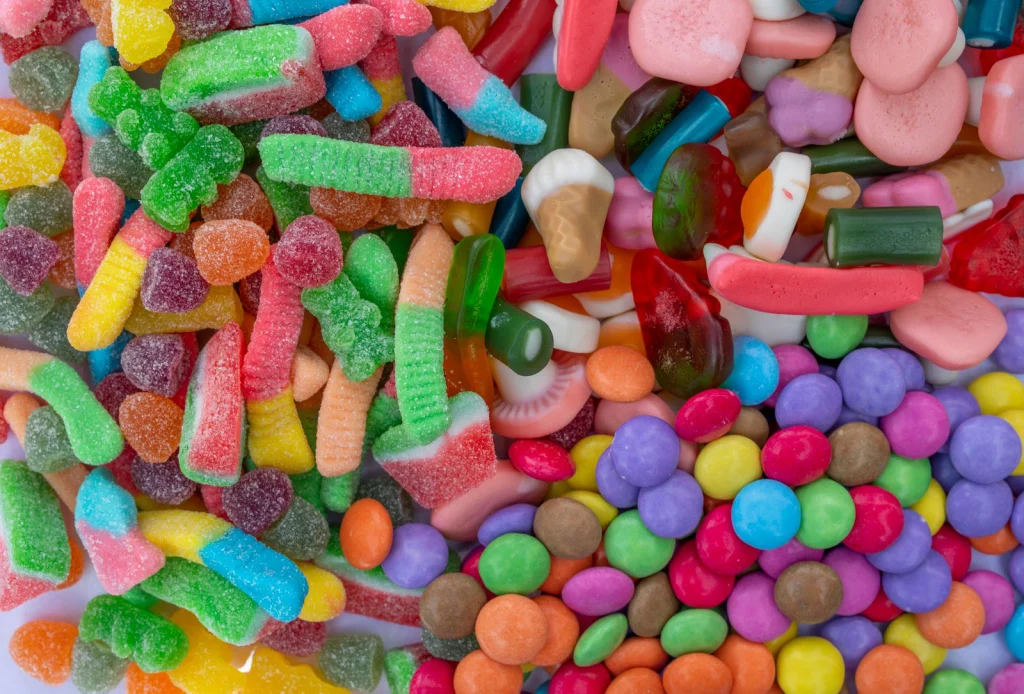
Some of the most damaging sugar in your day never shows up as dessert. It hides in habits: the sweetened coffee you sip all morning, the cough drops you work through during a cold, the sports drink at the gym, the handful of dried fruit at your desk. For your teeth, how often sugar touches them matters as much as how much you eat, so a small amount spread across the day can do more harm than a single treat with a meal. Spotting these hidden sugar habits, and changing the timing rather than giving up everything you enjoy, is one of the simplest ways to protect your teeth.
This guide from the Timonium office of Dr. Steven W. Haywood, DDS covers the everyday routines that keep teeth bathed in sugar, who is most at risk, and easy swaps that help. If you want help finding sugar on food labels, read hidden sugar: how to read food labels for your teeth.
Why how often counts as much as how much
Plaque bacteria feed on sugar and produce acid. That acid draws minerals out of your enamel, and each time you have something sugary, your teeth go through a new acid attack. Between attacks, saliva slowly neutralizes the acid and helps teeth recover.
When sugar arrives once, with a meal, your teeth get a long break afterward. When it arrives in small sips and nibbles all day, saliva never gets the chance to catch up. That is why a sweet drink finished with lunch is easier on your teeth than the same drink sipped all afternoon, and why hidden sugar habits deserve as much attention as hidden sugar in food.
Hidden sugar habits to watch for
The all-morning coffee or tea
A spoonful of sugar, flavored syrup or sweetened creamer doesn’t seem like much. But a cup that is sipped slowly from breakfast to lunch keeps teeth in contact with sugar for hours. The same goes for sweet tea kept on the desk or in the car.
Sports and energy drinks during workouts
Many sports and energy drinks combine sugar with acid, and they tend to be sipped over a long period while your mouth is dry from breathing hard. Unless a doctor or coach has advised otherwise, plain water is the tooth-friendly default for most workouts. Read oral health for athletes.
Mints, cough drops and throat lozenges
Anything that dissolves slowly in your mouth releases sugar over a long stretch. Working through a bag of cough drops during a cold, or keeping a steady supply of breath mints, can expose teeth to sugar for much of the day. Look for sugar-free versions.
Chewy vitamins and liquid medicines
Gummy vitamins stick in the grooves of the teeth, and some liquid medicines and syrups are sweetened to improve the taste. Never stop a medicine on your own. Ask your pharmacist or doctor whether a sugar-free form is available, and rinse with water afterward.
Dried fruit, granola and snack bars at your desk
These are often thought of as healthy choices, but many are sweet and sticky, and they are easy to graze on for hours. A few pieces here and there keep the acid attacks coming.
Smoothies and juice
Fruit blended or juiced releases its sugar in a form that coats teeth easily, and many smoothies are sipped slowly through the morning. Enjoy them with a meal rather than as an all-day drink.
The glass by the bed
Juice, milk or a sweetened drink sipped at night is hard on teeth, because saliva flow drops while you sleep. Once you have brushed for the night, water is the only drink that won’t undo it.
Mixed drinks and sweet cocktails
Sodas, juices and syrups used as mixers add sugar and acid, and drinks at a party or dinner are often sipped over several hours. Alcohol can also leave your mouth drier.
Where sugar hides in your mouth
Hidden sugar isn’t only about what you eat. It is also about where sugar gets trapped once it is in your mouth.
- Deep grooves on back teeth. Sticky foods settle into the pits and fissures of chewing surfaces, where a toothbrush has trouble reaching.
- Between the teeth. Food wedged between teeth sits against the enamel until you floss it out.
- Along the gumline. Plaque collects here, especially around fillings and crowns.
- Under clear aligners. Aligners can hold a sugary drink against your teeth, so it is best to remove them for anything other than water and brush before putting them back in.
- Around braces and bridges. Brackets, wires and bridges create extra places for sugar and plaque to hide.
Who is most at risk from hidden sugar habits
Everyone’s teeth respond to sugar, but some people have less margin for error:
- People with dry mouth. Less saliva means slower recovery after every sugar exposure. Medications and dry mouth can set the stage for root decay. Read why dry mouth is dangerous for your teeth.
- Adults with receding gums. Exposed root surfaces are softer than enamel and can decay more easily.
- People with a lot of dental work. The edges of fillings and crowns are common places for new decay to start.
- Anyone wearing aligners, braces or a bridge. More hiding places mean more time for sugar to sit.
- Children and teens. Habits like sipping juice or sports drinks can start early. Read how to limit sugar for kids without the battle.
Swaps that keep the habit and lose the sugar
You don’t have to give up coffee, workouts or treats. Changing the timing and the form of sugar goes a long way.
- Finish sweet drinks in one sitting. Drink a sweetened coffee or juice with a meal instead of nursing it for hours.
- Keep water close. A water bottle at your desk and in your gym bag makes the tooth-friendly choice the easy one.
- Choose sugar-free for anything that dissolves slowly. Mints, gum and lozenges are good places to make the switch. Xylitol mints and lollipops, which the practice offers, also help reduce decay risk.
- Rinse with water after sweets. A quick swish helps clear sugar from your teeth when you can’t brush.
- Pair sweet snacks with meals. Saliva is already flowing at mealtimes. Read have your dessert: a dentist’s guide to sweets.
- Make the last thing before bed water. Brush, clean between your teeth, and don’t sip anything else afterward.
Starches count too. Crackers and chips break down into sugars and can stick in the grooves of your teeth. Read are all carbs created equal for your teeth?
How the practice helps protect your teeth
Even with good habits, it helps to have your teeth checked for early signs of decay. At the practice, digital X-rays and DIAGNOdent laser detection help find decay at its earliest stages, sometimes before it shows on an X-ray. Super sealants seal the pits and fissures of adult and children’s teeth so bacterial byproducts and simple sugars can’t be harbored there, with a lifetime warranty. The practice avoids fluoride and offers calcium rebuilding treatments instead to help strengthen enamel for patients of all ages. Cleaning appointments last a full 60 minutes, and a professional cleaning every six months is recommended.
See dental cleanings and preventive care, dental technology and general dentistry in Timonium.
Paying for your visit
The practice is out of network with all dental insurance providers. You pay at the time of your visit, and the office files the claim on your behalf so your plan can reimburse you for whatever it covers. Health savings and flex plans are welcome, and financing is available through CareCredit, with no-interest options for up to 12 months, and Cherry, with plans from 3 to 24 months. See financing options.
Frequently asked questions
Is sipping a sweet drink worse than drinking it all at once?
Usually, yes. Sipping keeps your teeth exposed to sugar and acid for longer, so saliva has less time to help them recover. Finishing the drink with a meal is easier on your teeth.
Can cough drops cause cavities?
Sugary cough drops and lozenges can, especially when you use many of them over several days, because they dissolve slowly. Sugar-free versions are a better choice for your teeth. Follow the directions on any medicated product.
Are sugar-free mints and gum good for teeth?
Sugar-free mints and gum avoid feeding plaque bacteria, and chewing gum can encourage saliva. Xylitol products can also help reduce decay risk. They don’t replace brushing and cleaning between your teeth.
Should I brush right after something sugary?
Rinsing with water right away is a good habit. If the food or drink was also acidic, such as soda, juice or a sports drink, rinse with water and wait a while before brushing so you aren’t brushing softened enamel. Read soda spells double trouble for teeth and gums.
Catch the effects of hidden sugar early in Timonium
A check-up can show whether hidden sugar habits have started to affect your teeth, while any damage is still small. Request an appointment or call (410) 453-9399. The office of Dr. Steven W. Haywood, DDS is at 108 W Timonium Rd, Ste 200, Timonium, MD 21093, serving Timonium, Lutherville, Cockeysville, Towson and Hunt Valley. New patients are always welcome.
Ready to see your future smile?
See whether hidden sugar is affecting your teeth. Book a check-up in Timonium.