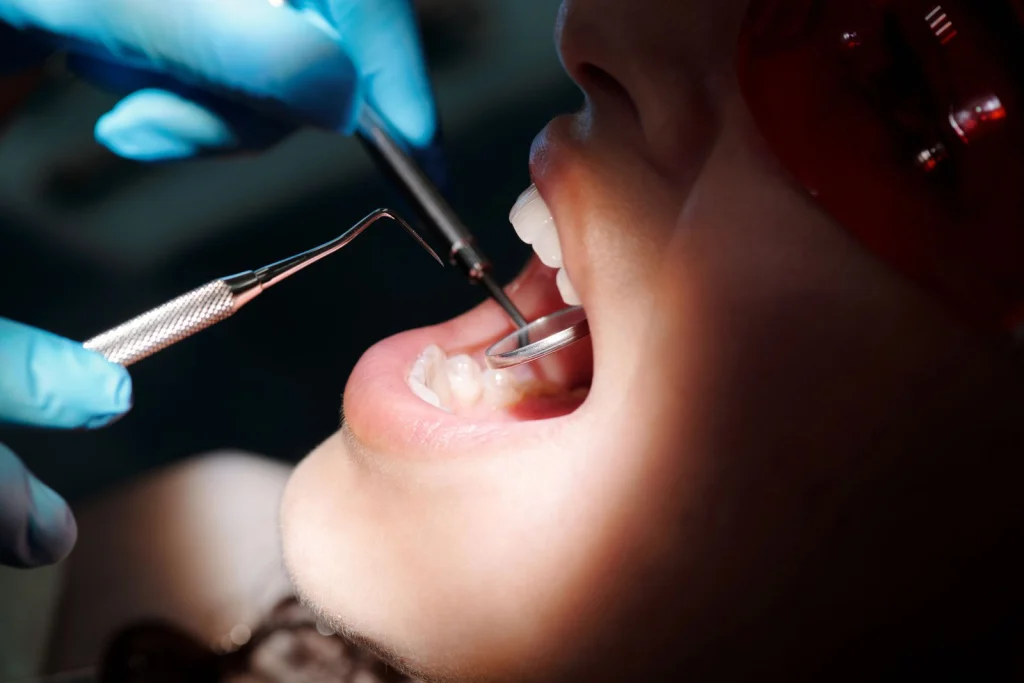
Tooth decay is one of the most common problems in children’s teeth, and one of the most preventable. A cavity forms when bacteria in the mouth feed on sugars and produce acid that wears away enamel. Children are especially at risk because they snack often, are still learning to brush well, and have back teeth with deep grooves that trap food. The good news for parents is that steady habits at home, plus the right protection at the dentist, go a long way.
This guide from the Timonium office of Dr. Steven W. Haywood, DDS explains how a tooth cavity starts in a child’s mouth, three ways to fight it, and what happens if your child already has one.
How a cavity forms in a child’s tooth
Every time your child eats or drinks something with sugar or starch, bacteria in plaque turn it into acid. That acid pulls minerals out of the enamel. Saliva slowly helps enamel recover between snacks, but when sugary foods and drinks come often, the enamel never gets enough of a break. Over time a weak spot forms, and that weak spot can become a hole: a cavity.
Why baby teeth still matter
It is easy to think decay in baby teeth doesn’t matter because those teeth fall out. But baby teeth help children chew and speak, and they hold space for the permanent teeth coming in behind them. A painful or infected baby tooth can also make eating and sleeping miserable. Decay in baby teeth is worth treating and, better still, preventing.
Early signs parents can watch for
- Chalky white spots near the gumline, which can be an early sign of enamel losing minerals
- Brown or dark spots, or visible pits in a tooth
- Complaints that sweets, cold drinks or chewing hurt
- Avoiding food on one side of the mouth
Early decay often causes no pain at all, which is why regular checkups matter even when your child seems fine.
Cavity fighter 1: daily habits at home
Brush twice a day, with help
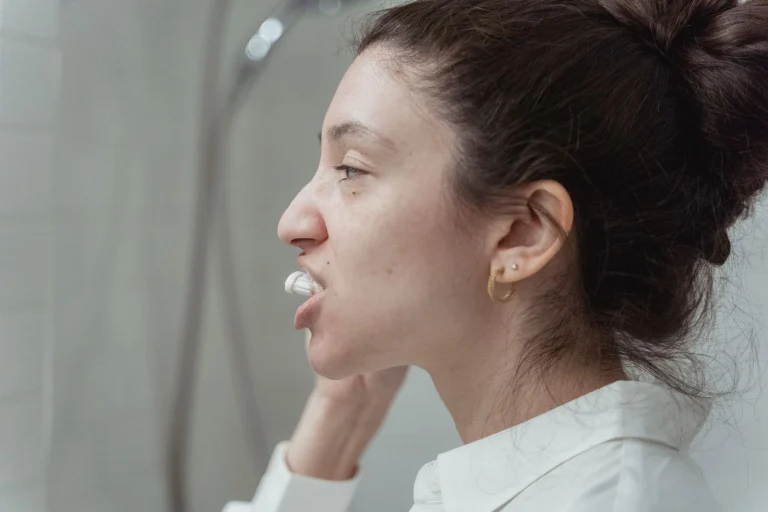
Young children don’t yet have the coordination to brush every surface well, so it helps for a parent to brush for them, or finish the job, until they can do it thoroughly on their own. Focus on the back molars and the gumline, where plaque collects.
Clean between teeth once they touch
A toothbrush can’t reach between teeth. Once your child’s teeth touch each other, daily flossing helps clear the plaque that causes cavities in those tight spaces. Floss picks can be easier for small hands; see are floss picks as good as regular dental floss?
Make bedtime count
Saliva flow slows during sleep, so food left on the teeth at night has hours to do damage. Brush last thing before bed, and avoid milk, juice or snacks after that final brushing.
Cavity fighter 2: smarter snacks and drinks
How often children have sugar matters as much as how much they have. A treat with a meal is easier on teeth than sipping juice or grazing on crackers all afternoon.
- Make water the everyday drink. Juice, soda, sweet tea and sports drinks bathe teeth in sugar and, often, acid.
- Watch sticky snacks. Gummy candy, fruit snacks and dried fruit cling to the grooves of back teeth. We explain why in why do gummy bears hurt my teeth?
- Keep snacks to set times rather than all day long.
- Rinse with water after a sweet treat when brushing isn’t possible.
The practice also offers xylitol mints and lollipops, which help reduce decay risk. Ask whether they suit your child’s age.
Cavity fighter 3: protection from the dentist
Super sealants
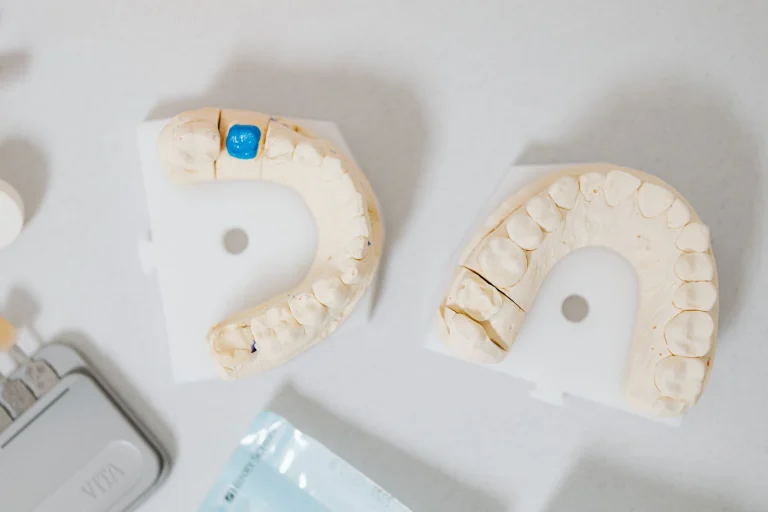
The chewing surfaces of back teeth are full of pits and grooves that a toothbrush can’t fully clean. Super sealants completely seal those chewing surfaces, and all the pits and fissures of children’s and adult teeth, so bacterial byproducts and simple sugars can’t collect there. That helps prevent cavities in the enamel. The process is simple and painless, and the practice offers a lifetime warranty. See cleanings and prevention.
Strengthening enamel without fluoride
Fluoride is the most widely used way to strengthen enamel, and many dentists and pediatricians recommend it. This practice takes a different approach: it avoids fluoride and offers non-fluoride calcium rebuilding treatments to help strengthen enamel for patients of all ages. If you are weighing fluoride and non-fluoride options for your child, talk them through with Dr. Haywood and your child’s pediatrician. Read more about holistic dentistry.
Regular checkups and cleanings
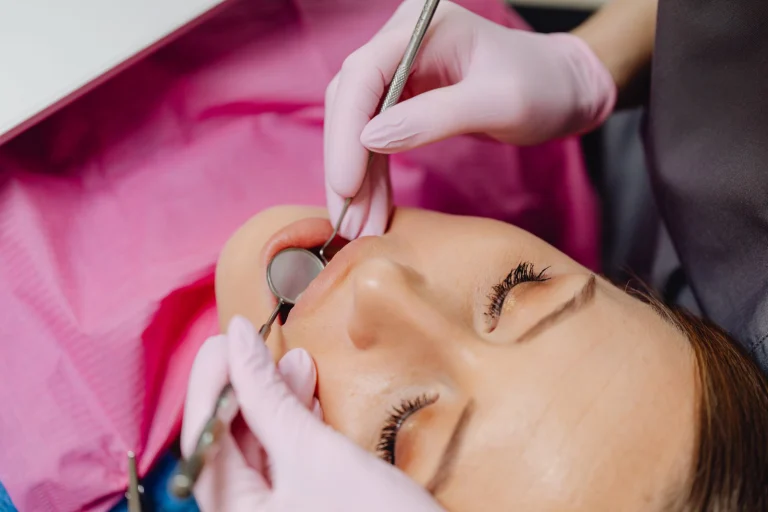
Checkups catch decay before it hurts. The practice recommends a professional cleaning every six months. Digital X-rays, with as much as 90 percent less radiation exposure than traditional film, and DIAGNOdent laser detection help find decay at its earliest stages, sometimes before it shows on an X-ray. See dental technology.
If your child already has a cavity
Once decay has formed a hole, it won’t heal on its own, but a cavity caught early usually needs only a filling. Waiting lets decay spread deeper into the tooth, toward the nerve, where treatment becomes bigger.
Tooth-colored, mercury-free fillings
The practice never uses amalgam. Fillings are tooth-colored composite, matched to the tooth and bonded in place, so the repair blends in. See mercury-free dentistry.
A gentler filling process
The office offers a comfortable filling process for people of all ages using micro-air technology. Air abrasion uses a thin, steady stream of air and silica to remove small areas of decay while preserving more of the natural tooth. It is quick and quiet, with no heat, pressure or vibration, which helps patients who feel anxious.
Help for nervous kids
Laughing gas is a safe and effective form of sedation dentistry for patients of all ages, adjusted as needed throughout treatment, and it is offered as a complimentary service. If your child is anxious, tell the team ahead of time so the visit can be planned around it.
Bringing your child to the Timonium office
Family dentistry is part of the practice, so parents and children can be seen in the same office. A few things to know:
- A parent or legal guardian must be present during the consultation of a patient under the age of 18.
- Patient forms can be completed online before the visit; see new patient information.
- For teens with crooked teeth, Invisalign Teen uses clear, removable aligners, and straight, uniform teeth are easier to clean.
Dr. Haywood’s U.S. Air Force advanced residency included an internship in pediatric dentistry, among other areas. Learn more about everyday family care on the general dentistry page, and about why prevention matters at every age in the case for preventive dentistry.
Paying for your child’s dental care
The practice is out of network with all dental insurance companies: you pay at the time of your visit, and the office files the claim on your behalf so your plan can reimburse you for what it covers. Health savings and flex plans are welcome, and financing is available through CareCredit, with no-interest options for up to 12 months, and Cherry, with payment plans from 3 to 24 months. See financing options.
Frequently asked questions
Can a cavity in a baby tooth be left alone?
It is not a good idea to ignore it. Decay can spread and become painful or infected, and baby teeth hold space for permanent teeth. Have it checked so Dr. Haywood can explain the options.
Are sealants worth it for kids?
Sealants protect the deep grooves on chewing surfaces that brushing misses. Super sealants at the practice seal those surfaces completely and come with a lifetime warranty.
Does the practice use fluoride on children’s teeth?
No. The practice avoids fluoride and offers non-fluoride calcium rebuilding treatments instead. Talk with Dr. Haywood and your pediatrician about what suits your child.
What are the first signs of tooth decay?
Chalky white spots near the gumline, brown spots, or sensitivity to sweets and cold. Early decay often has no symptoms, so regular checkups are the surest way to find it.
Can tooth decay at the gumline be fixed?
Usually, especially when it is found early. The decay is removed and the tooth is restored with a tooth-colored filling; decay that has gone deeper may need more treatment.
Book a checkup for your child in Timonium
If you are worried about a tooth cavity or tooth decay in your child, or it is simply time for a checkup, request an appointment or call (410) 453-9399. The office of Dr. Steven W. Haywood, DDS is at 108 W Timonium Rd, Ste 200, Timonium, MD 21093, and new patients are always welcome.
Ready to see your future smile?
Book a checkup for your child with Dr. Haywood in Timonium.