
A smile booster is anything that makes your smile look and feel better. Some happen in the dental chair: whitening, bonding, gum reshaping or replacing a missing tooth. Others happen at your bathroom sink and kitchen table, and they decide how long any in-office result lasts. The best results come from pairing the two, so each of the four boosters below comes with what you can do at home and what the Timonium office of Dr. Steven W. Haywood, DDS can do in the chair.
Smile boosters or teeth boosters: what the terms mean
You may see both phrases. Neither is a clinical term. People use “smile boosters” and “teeth boosters” to mean quick ways to improve how teeth look, from whitening toothpaste to cosmetic treatment. In this guide, a booster is a change that improves one of the four things people notice most in a smile: the color of the teeth, their shape and edges, the gums that frame them, and whether any teeth are missing.
Booster 1: Brighter color
At home
- Rinse after staining drinks. Coffee, tea, red wine and cola all stain. A drink of water afterward, or brushing when you can, limits how much sticks.
- Cut back on staining foods rather than cutting them out.
- Skip the promise of instant kits. Commercial whiteners that seem so promising often fail to deliver lasting results, and at-home whitening usually means committing two or three weeks.
- Don’t smoke. Tobacco stains teeth and harms the gums. See how smoking and vaping affect your teeth.
In the chair
In-office laser power whitening starts with a thirty-minute whitening treatment, followed by a laser that activates the hydrogen peroxide so stains dissolve, including the ones that like to hide. The plan is customized to your teeth. If your teeth are very dark, Dr. Haywood counsels you on your options first, because porcelain veneers and dental bonding can also correct discolored teeth. Learn about laser whitening.
After whitening, the practice advises minimizing staining foods and whitening routinely, so the at-home booster keeps the in-office one working.
Booster 2: Repaired edges and shape
At home
- Teeth are not tools. Never use them to open packages, bottles or cans, or to cut things.
- Go easy on ice and hard candy. Crunching hard objects is a common cause of chips and cracks.
- Notice grinding. Grinding slowly wears down and cracks enamel, often without you noticing. A sore jaw in the morning or teeth that look shorter are clues.
In the chair
Dental bonding repairs chipped or cracked teeth with tooth-colored composite resin that is sculpted onto the tooth, trimmed and polished. It can also even out a smile, close small gaps and change the shape of teeth, usually in a single visit and typically with no anesthesia. For teeth that need more strength or stain resistance, porcelain veneers or crowns are the next step. If you grind, comfortable, clear bite guards custom-made for you help protect both natural teeth and cosmetic work.
After one repair at the practice, a patient wrote: “The tooth looks better than before it was chipped!”
Booster 3: A healthy, balanced gum frame
At home
- Brush gently. Scrubbing hard can wear enamel and push gums back. See smart brushing beats aggressive brushing.
- Floss every day. Plaque left between teeth and along the gums is what inflames them.
- Watch for warning signs. Bleeding or receding gums and bad breath can signal gum infection.
- Snack smart. Xylitol mints and lollipops help reduce decay risk, and grazing on sugar all day keeps teeth under attack. See a dentist’s guide to sweets.
In the chair
Healthy gums start with cleanings. A professional cleaning every six months is recommended, and cleaning appointments at the practice last a full 60 minutes. If there is gum infection, non-surgical care removes the bacteria causing it. Learn more about dental cleanings and preventive care.
When the gums are healthy but too much of them shows, the booster is cosmetic. A gummy smile is often caused by extra gum tissue rather than short teeth, and a gum lift with a dental laser or radiosurgery moves the gum line up on the upper teeth for better proportions. For more, read gum contouring in cosmetic dentistry.
Booster 4: A complete set of teeth
At home
- Protect the teeth you have. The habits above are what keep teeth from being lost in the first place.
- Clean around replacements carefully. Bridges and implant bridges need floss threaders, because food can collect underneath.
- Don’t wait on a gap. After a tooth is lost, the remaining teeth can shift and the bite can become misaligned.
In the chair
A dental implant replaces both the root and the crown of a missing tooth without affecting the teeth beside it. Because it replaces the root, an implant helps prevent the bone deterioration that follows tooth loss, which helps keep the face and smile looking full. Bridges and dentures are also available, and Dr. Haywood provides every phase of implant care in the same office. Learn about dental implants in Timonium.
Protecting enamel without fluoride
Strong enamel supports all four boosters. The practice avoids fluoride and instead offers calcium rebuilding treatments to help strengthen enamel for patients of all ages. Super sealants completely seal the chewing surfaces of teeth so bacteria and sugars can’t collect in the grooves, and the practice offers a lifetime warranty on them.
Which booster should come first?
When you want more than one change, the order matters:
- Health first. Decay and gum infection are treated before cosmetic work, because results last best on healthy teeth and gums.
- Move teeth next, if needed. When teeth need to shift, Invisalign clear aligners can move them before any bonding or veneers.
- Whiten before matching. New bonding, veneers and crowns don’t whiten, so teeth are usually whitened before new work is matched to them.
- Shape and gums last. Bonding, veneers and gum reshaping finish the smile.
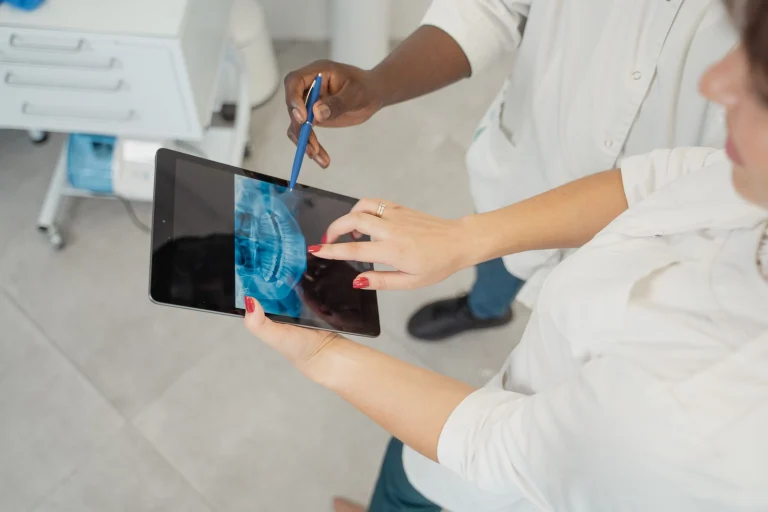
Before-and-after imaging is part of every cosmetic evaluation, so you can preview how the boosters work together. When several boosters add up to a bigger change, an ultimate smile makeover combines them in one plan. For single small changes, see want to perk up your smile?, and for help choosing materials, read porcelain, ceramic or composite.
What in-office boosters cost
Fees depend on the treatment and your teeth, and every step is explained before anything begins. The practice is out of network with insurance companies: you pay at the time of service, and the office files the claim on your behalf so your plan can reimburse you for anything it covers. HSA and flex plans are welcome. Financing is available through CareCredit, with no-interest options for up to 12 months, and Cherry, with plans from 3 to 24 months.
Frequently asked questions
What is the quickest smile booster?
Bonding a chip and in-office whitening are both done in a single appointment. If you have a deadline, a same-day smile makeover can combine treatments in one day.
Do whitening toothpastes work as teeth boosters?
They can help keep surface stains down, but commercial whiteners often fail to deliver lasting results. Professional whitening is customized and far more dramatic.
Will bonding stain?
It can. Unlike porcelain, composite resin stains, so brush or rinse well after cola, coffee, tea or red wine.
Can I see real results?
Yes. The smile gallery shows before-and-after photos of actual patients.
Boost your smile in Timonium
Start the at-home boosters today, and let a consultation show which in-office ones suit your teeth. Request an appointment or call (410) 453-9399. The office of Dr. Steven W. Haywood, DDS is at 108 W Timonium Rd, Ste 200, Timonium, MD 21093, serving Timonium, Towson, Pikesville and Baltimore. Explore all cosmetic dentistry in Timonium.
Ready to see your future smile?
Find out which in-office smile boosters suit your teeth.