Skincare works on the surface of your face, but the shape of your lower face rests on something underneath: your teeth and jaw. When teeth wear down from grinding, break, darken around old fillings or go missing, the lips and cheeks lose some of their support, and a smile can start to look older than the person wearing it. A facial can’t rebuild that support. The right restorations, such as onlays, porcelain crowns, bridges and implants, often can, while also making your teeth healthier and more comfortable to chew with. At the Timonium office of Dr. Steven W. Haywood, DDS, that work starts with your bite and uses tooth-colored, mercury-free materials.
This article explains how teeth support your face, the changes worn and missing teeth can bring, and how restorative dentistry rebuilds what has been lost. Results differ from person to person, and an exam is the only way to know what is possible for you.
How your teeth support your face
The foundation of the lower face
The temporomandibular joint, or TMJ, is the foundation of your chewing mechanism and makes up the lower third of your face. Your teeth meet on top of that foundation. How tall they are, and how they fit together, helps set the proportions of your lower face and the position of your jaw.
Support for the lips and cheeks
Teeth hold the lips and cheeks out from behind. Front teeth support the upper and lower lips, and back teeth support the cheeks. When that support changes, the soft tissues follow. After a tooth is lost, the cheeks or lips can sink in.
A bite that works in balance
A balanced bite lets the jaw joints, muscles and teeth work together. When teeth shift or wear unevenly, the bite can become misaligned, which can lead to problems such as TMJ disorder, jaw tenderness and head or neck aches.
Changes worn, broken and missing teeth can bring
Teeth worn short by grinding
Grinding and clenching place excessive force on teeth, wearing enamel away and introducing small cracks. Uncontrolled grinding destroys comfort, health and appearance as we age. Worn front teeth can look short and flat, and a smile can show less tooth than it once did.
Chipped and cracked edges
Chips along the biting edges make teeth look uneven and can catch the lip or tongue. Cracks can also make a filled tooth hurt when you chew.
Dark or failing old fillings
Metal can discolor and age teeth. Old silver fillings can make teeth look gray, and fillings that wear at the edges can let decay develop underneath.
Gaps from missing teeth
After a tooth is lost, the remaining teeth can shift and the bite can become misaligned. Gaps change how a smile looks, make chewing harder and significantly increase the risk of gum disease. Over time, the jawbone where a tooth is missing can also deteriorate. Read can dental implants help you look younger?
Signs your teeth may be changing your face
- Your front teeth look shorter or flatter than they used to.
- You see chips, cracks or dark patches when you smile.
- Your lips or cheeks look sunken near a missing tooth.
- Your jaw feels tired or tender, or you wake with head or neck aches.
- Your teeth have shifted, or your bite feels different.
- Someone has told you that you grind your teeth at night.
How restorations rebuild support
Setting the bite first
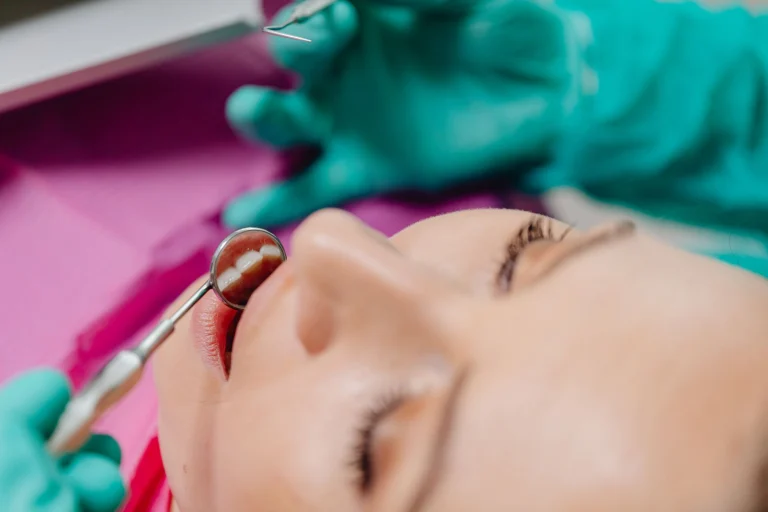
Rebuilding worn teeth without looking at the bite is like hanging new cabinets on a crooked wall. Dr. Haywood completed advanced TMJ and reconstructive training at the Peter Dawson Institute, and worn and broken teeth are rebuilt with crowns once the bite is set in the right position. Evaluation can include bite analysis with jaw recordings and imaging of the joint. See TMJ and TMD care.
Onlays and crowns for worn or broken teeth
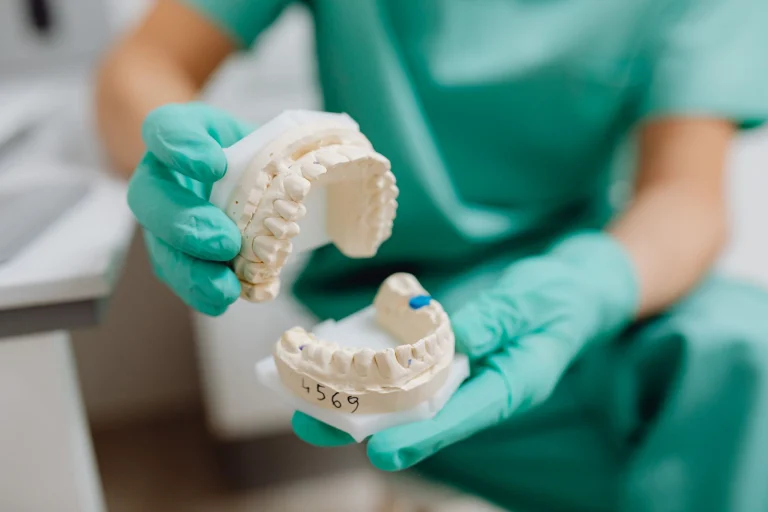
When only part of a tooth is damaged, a bonded onlay restores its biting cusp while conserving healthy structure. When a tooth is extensively damaged, a porcelain crown restores its shape, preserves what remains and protects it from further damage. Crowns are used in both restorative and cosmetic treatment, and a crown can enhance the shape of a tooth. Read crowning achievements: what dental crowns endure.
Bridges and implants for gaps
A dental bridge fills a gap with a replacement tooth held by crowns on the teeth beside it, restoring function and the look of your smile. A dental implant replaces both the tooth root and the crown and helps prevent bone deterioration, and dental implants are the better alternative to a bridge in most cases. Dr. Haywood talks through both. See dental bridges.
Tooth-colored, mercury-free materials
The practice specializes in all-ceramic, tooth-colored crowns and bridges, made to replicate the color and translucence of your natural teeth. Dr. Haywood never uses amalgam, and old silver fillings are removed under rigorous safety protocols designed to minimize exposure to mercury vapor.
Previewing the result
Cosmetic imaging is part of every cosmetic evaluation. Digital photos of your smile are changed on the imaging computer, so you and Dr. Haywood can plan the improvements you would like to see before treatment. See cosmetic imaging.
When many teeth need work, these pieces come together in a planned sequence. Read full mouth reconstruction in Timonium.
Protecting your rebuilt smile
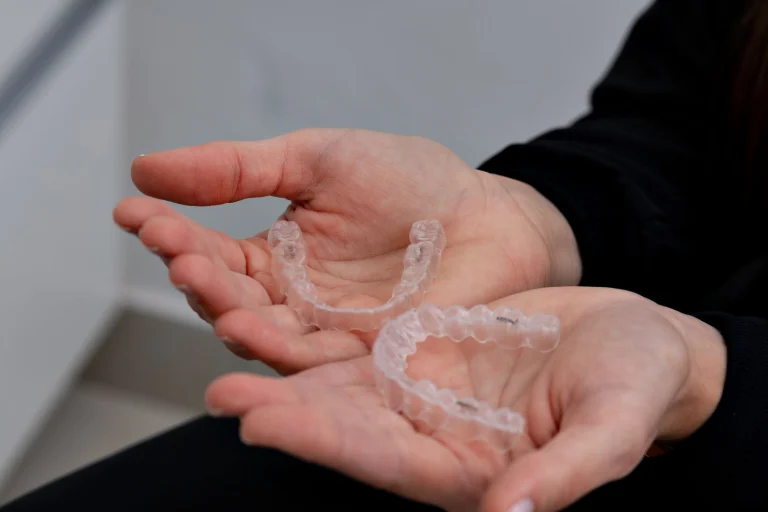
- Wear a bite guard if you grind. Every style at the practice is clear, comfortable and custom-made, and bite protection is suggested for all cosmetic work.
- Clean daily, including under bridges with floss threaders.
- Keep your checkups every six months, with a full-hour cleaning.
- Call for an adjustment if a crown or bridge ever feels like it hits first.
A facial and a filling: why not both?
The practice is spa-inspired, so dental work doesn’t have to feel like a chore. Paraffin wax hand treatments and calming aromatherapy help you relax, and there is a Nespresso station while you settle in. Laughing gas is offered as a complimentary service, a gentle micro-air filling process is available for people of all ages, and oral and IV sedation are available for longer treatment. Take a look on the office tour.
Paying for restorative care
Your fee depends on how many teeth need work and which restorations suit them, and it is explained before treatment. Larger plans can be done in stages. The practice is out of network with all dental insurance companies: you pay at the time of your visit, and the office files the claim on your behalf so your plan can reimburse you for what it covers. Health savings and flex plans are welcome, and financing is available through CareCredit, with no-interest options up to 12 months, and Cherry, with plans from 3 to 24 months. See financing options.
Frequently asked questions
Can crowns make my face look younger?
Crowns can restore the shape and support that worn or broken teeth have lost, which can improve how your smile looks. Results vary, so cosmetic imaging helps you preview a plan before treatment.
Can grinding my teeth change how I look?
It can. Uncontrolled grinding wears enamel away and cracks teeth, and it destroys comfort, health and appearance as we age. A custom bite guard helps control the wear.
Why does my bite need attention before crowns?
Worn teeth are rebuilt with crowns once the bite is set in the right position, so the new teeth work in balance with your jaw joints and last under chewing forces.
Will my restorations look natural?
Crowns and bridges at the practice are all-ceramic and tooth-colored, made from impressions of your teeth to replicate their color and translucence.
See what your teeth could do for your smile
If worn, broken or missing teeth are changing your smile, request an appointment or call (410) 453-9399. The office of Dr. Steven W. Haywood, DDS is at 108 W Timonium Rd, Ste 200, Timonium, MD 21093, serving Timonium, Lutherville, Towson, Pikesville and Baltimore. Explore all of restorative dentistry.
Ready to see your future smile?
Book a visit in Timonium to see how restorations could support your smile.