No, dentures are not inevitable. Losing teeth is not simply what happens with age; it usually has a cause, and most of those causes can be prevented, caught early or treated. Gum disease is the leading cause of tooth loss in adults, and decay, infection and injury account for much of the rest. Regular cleanings, early gum treatment and saving damaged teeth when possible give you the best chance of keeping your own teeth for life.
And if you do need to replace teeth, a conventional denture is no longer the only answer. This guide covers why adults lose teeth, how to keep yours, and what your options are if some teeth can’t be saved, at the Timonium, MD office of Dr. Steven W. Haywood, DDS.
Why adults lose teeth
Knowing the causes makes it easier to see where prevention fits in.
- Gum disease. Periodontal disease is the leading cause of tooth loss in adults, and it worsens as it progresses through its stages.
- Decay and infection. A tooth that is badly decayed and infected can reach the point where keeping it could harm your other teeth or your overall health.
- Root decay. Extensive root decay can follow from dry mouth or a diet high in carbohydrates.
- Injury. Sports injuries, falls and accidents can knock out or break teeth.
- Cracks and failed repairs. A tooth split along its root can’t be saved, and failed root canals and teeth fractured by failed posts are also causes of tooth loss.
How to keep your teeth for life
See the dentist and hygienist regularly
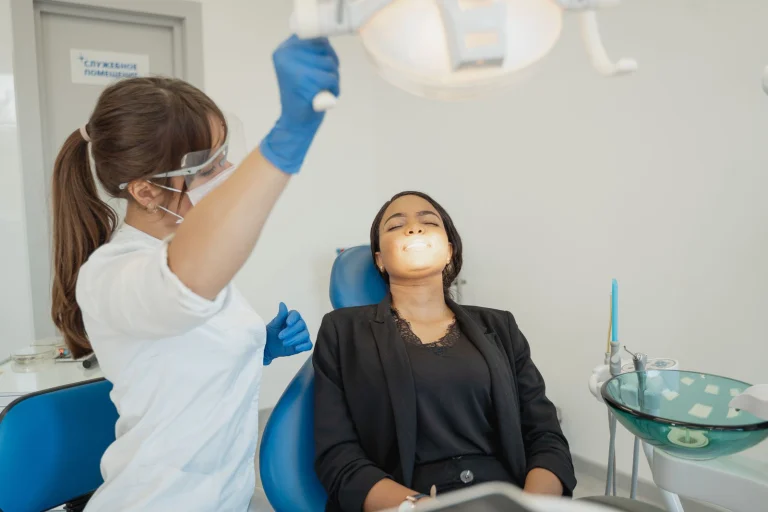
A professional cleaning every six months is recommended, and cleaning appointments at the practice are a full 60 minutes. Your check-up uses digital X-rays and intraoral cameras, so problems show up while they are still small, and includes an oral cancer screening.
Catch gum disease early
Signs can include sore, swollen or bleeding gums, bad breath, pus around the gumline, painful chewing, tooth sensitivity, and teeth that look longer because the gums have receded. On their own they don’t always mean gum disease, but they are a good reason to have your gums checked. Treatment can control and even reverse the early stages of gum disease. The practice’s periodontal therapy is 98 percent non-surgical, and ongoing maintenance keeps treated gum disease under control. Read five warning signs of gum disease and gum disease treatment.
Save infected teeth when you can
Before root canal therapy, an infected pulp meant losing the tooth. Today a root canal can save a tooth even after a serious infection and preserve the remaining tooth structure, and the tooth is then protected with a porcelain crown. Don’t wait for pain to get worse: infection can spread to other teeth or the bloodstream.
Repair cracks and damage promptly
Many cracked teeth can be saved with restorative and surgical procedures. Call early in the day if you break or crack a tooth, and if a tooth is knocked out, put it in milk and call right away.
Build good habits at home
Brushing well, cleaning between your teeth and limiting constant snacking on sugary and starchy foods all help. For practical tips, read smart brushing beats aggressive brushing.
If it has been years since your last visit
Many people who worry about ending up in dentures have simply been away from the dentist for a while, often because of anxiety. It is never too late to start again. The office is spa-like and built to be anxiety-free, and laughing gas is offered as a complimentary service if you are nervous. Read been a while since you’ve visited a dentist?
Your first visit back starts with a check-up and cleaning. Digital X-rays and intraoral cameras put the images on screen, so you can see what Dr. Haywood sees and understand what needs attention and why. New patients are always welcome, and you can save time by completing your new patient forms online before you arrive.
When a tooth can’t be saved
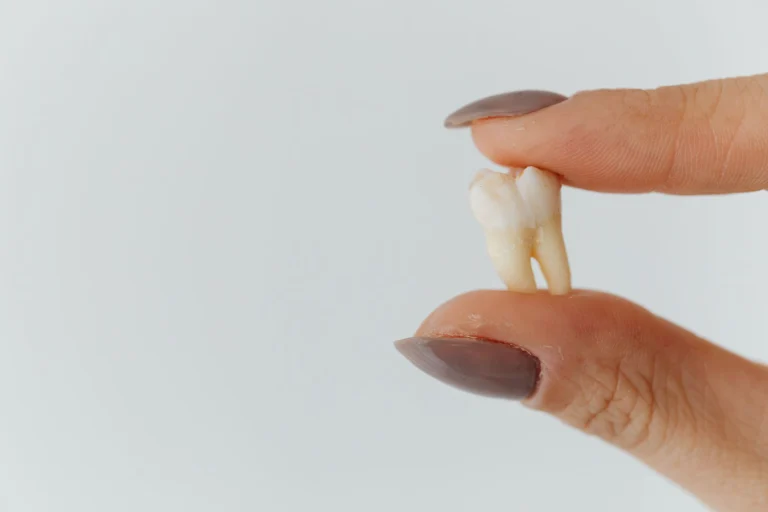
With modern dentistry, extractions are quite rare, and all options are discussed before one is recommended. When a tooth does have to come out, it is removed with gentle care, and afterward Dr. Haywood meets with you to plan how to fill the gap. Replacing a lost tooth helps keep your remaining teeth from shifting.
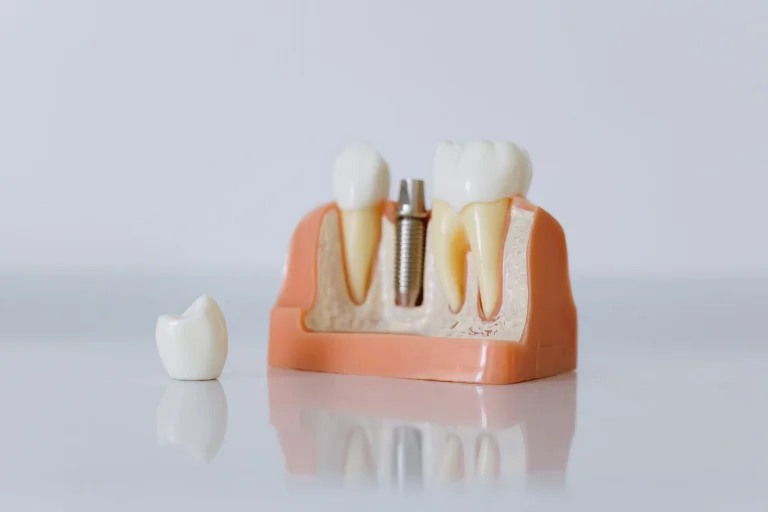
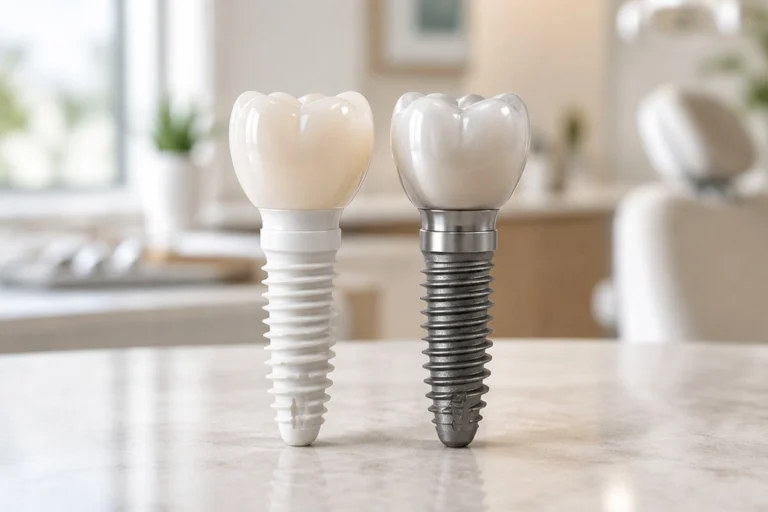
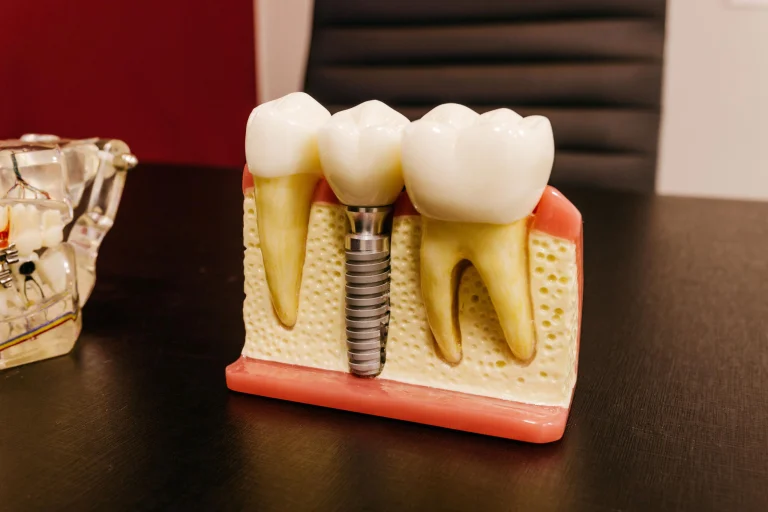
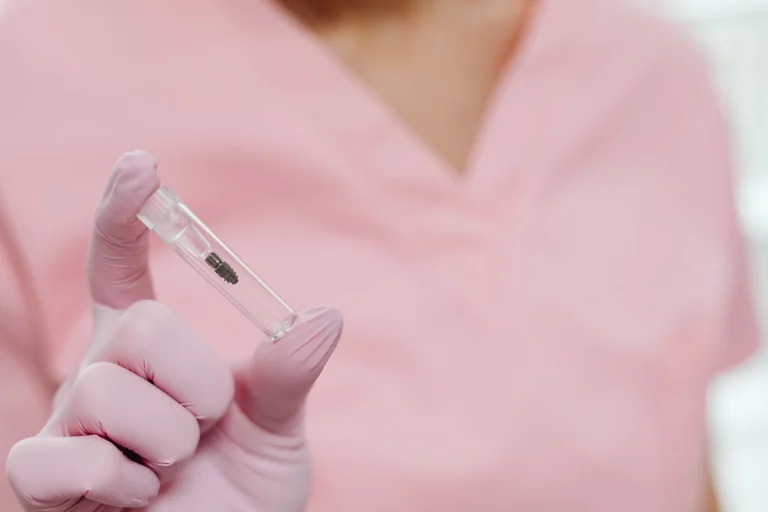
- A single implant replaces one tooth without touching its neighbors, and in this office is regularly less expensive and more conservative than a bridge.
- A bridge fills a gap using crowns on the teeth either side.
- An implant bridge uses two or more implants to hold three or more teeth.
Losing a tooth is a reason to act, not a reason to give up on the rest. Replacing a missing tooth well helps protect the teeth you keep.
Dentures in Timonium, MD, when you do need them
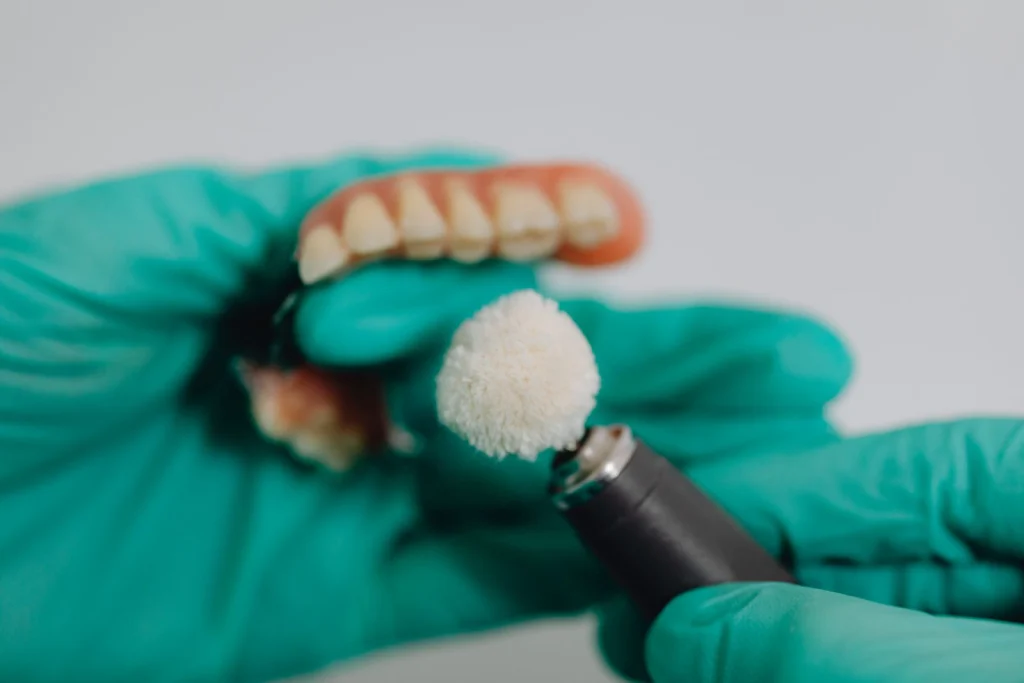
Sometimes several teeth can’t be saved, and a denture is the right choice. When that happens, it is worth knowing how far dentures have come.
- Custom dentures: high-end dentures made with the branching technique, which Dr. Haywood learned from Dr. Jack Turbyfill, with the best teeth, plastics and trained lab technicians.
- Implant dentures: dentures that snap or lock onto implants so they don’t slip or click, while supporting the jawbone. For a lower denture, this is the standard of care recognized by the ADA.
- All-on-4: a permanent denture on implants that can be placed in as little as one appointment.
- Partials: if some healthy teeth remain, they are kept, and an implant partial needs no clips or wires.
If you already wear dentures, don’t give up on a better fit. Problem dentures can be remade, and implants can be placed under dentures you already have. See dentures in Timonium or, if you are starting fresh, where to start if you want dentures.
Paying for preventive and restorative care
The practice is out of network with all dental insurance companies. You pay at the time of your visit, and the office files the claim on your behalf so your plan can reimburse you for what it covers. Health savings and flex plans are welcome, and financing is available through CareCredit, with no-interest options for up to 12 months, and Cherry, with plans from 3 to 24 months.
Frequently asked questions
Is losing teeth a normal part of getting older?
Tooth loss usually has a cause, such as gum disease, decay, infection or injury, rather than age alone. Treating those causes early is the best way to keep your teeth.
Can gum disease be cured?
Treatment can control and even reverse the early stages. Gum infection caught early can be managed and controlled, but it is never completely cured, which is why ongoing periodontal maintenance matters.
How often should I see the dentist as I get older?
A professional cleaning every six months is recommended, and an oral cancer screening every year is recommended for all patients over eighteen.
I already wear dentures. Is it too late to improve things?
No. Problem dentures can be remade, and implants can be added under dentures to stop slipping and help protect the jawbone.
Keep your smile with Dr. Haywood
Dr. Steven W. Haywood, DDS has over 35 years of experience helping patients keep their teeth and replace the ones they have lost. Request an appointment or call (410) 453-9399. The office is at 108 W Timonium Rd, Ste 200, Timonium, MD 21093.
Ready to see your future smile?
Keep the teeth you have. Book a cleaning and exam in Timonium.