A cavity, also called dental caries or tooth decay, is a permanently damaged area in the hard surface of a tooth that develops into a tiny opening or hole. Cavities are not all alike. Where a cavity forms changes how it starts, how easy it is to spot and how it is best prevented. The main types are pit and fissure cavities in the chewing grooves of back teeth, smooth surface cavities between teeth, root cavities near the gumline, and recurrent decay around existing fillings and crowns. This guide from the Timonium office of Dr. Steven W. Haywood, DDS explains each type, what raises your risk, and how each one is found and treated.
Cavity, caries, decay: the words
- Tooth decay is the process: acids made by plaque bacteria gradually dissolve the tooth.
- Dental caries is the clinical name for that disease process and the damage it causes.
- A cavity is the hole that results once decay breaks down the tooth surface.
Plaque itself is not a cavity, but it is where decay begins. Read plaque, tartar and cavities: what’s the difference?
A quick look at the layers of a tooth
Each tooth has a hard outer layer of enamel over the chewing part, a softer layer of dentin beneath it, and the pulp in the center, where nerves and connective tissue run through tiny canals in the roots. The root surface below the gums is covered by a thinner, softer layer than enamel. Decay moves more easily through softer tissue, which is why where a cavity starts matters.
Type 1: Pit and fissure cavities
Where they form
The chewing surfaces of molars and premolars are full of pits and grooves, called fissures. Some are deep and narrow, deeper than a toothbrush bristle can clean. Food and plaque settle in, and decay can start at the bottom of a groove.
How they are found
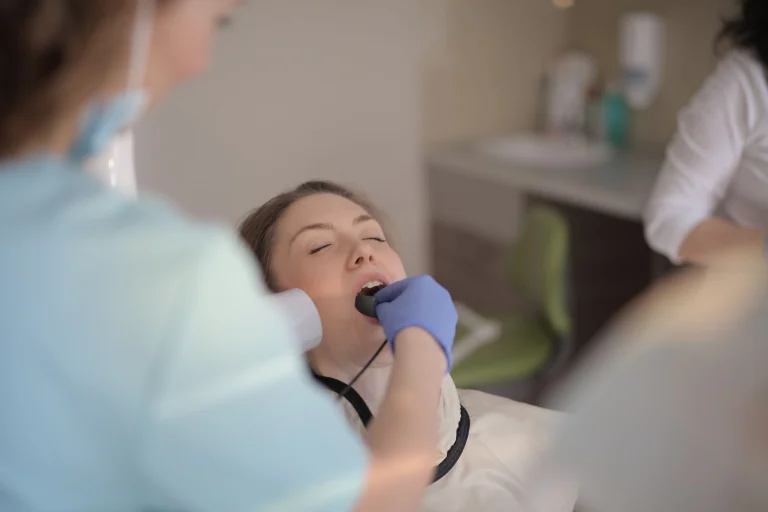
A stained groove is not always decay, and early decay in a groove can look like nothing at all. DIAGNOdent, a laser pen, can detect small amounts of decay at the earliest stages, sometimes before it shows on an X-ray, and intraoral cameras let you see the groove enlarged on screen.
How they are prevented and treated
Super sealants completely seal the chewing surfaces and all the pits and fissures of adult and children’s teeth, so bacterial byproducts and simple sugars can’t be harbored there, and the practice offers a lifetime warranty. A small groove cavity can often be cleaned out with air abrasion, a thin stream of air and silica with no heat, pressure or vibration, and filled with tooth-colored composite in a single visit.
Type 2: Smooth surface cavities between teeth
Where they form
Smooth surface cavities develop on the flat sides of teeth, most often where two teeth touch. A toothbrush can’t reach that contact, so plaque sits there unless you clean between your teeth.
Clues you might notice
Floss that suddenly catches or shreds in one spot, food that keeps getting stuck between the same two teeth, or sensitivity when you bite can all point to decay between teeth. Often there is no clue at all until the cavity is larger.
How they are found and treated
Decay between teeth is hard to see in a mirror, so digital X-rays do most of the work. They appear immediately and can be shown on a screen in the treatment room. These cavities are filled with a tooth-colored composite, mixed to match your teeth and bonded in place. Sealants don’t cover these surfaces, so daily cleaning between your teeth is the best prevention.
Type 3: Root cavities at the gumline
Where they form
When gums recede, part of the root surface is exposed. That surface is softer than enamel, so decay can start there more easily and spread along the root.
Who is at higher risk
Decay rates increase with age, and medications and dry mouth can set the stage for root decay. Saliva helps protect teeth, so a mouth that stays dry loses some of that defense. Gum disease, which can cause gums to recede, raises the risk as well. Read why is dry mouth dangerous for your teeth?
How they are prevented and treated
The practice avoids fluoride. Non-fluoride calcium rebuilding treatments are offered to help strengthen enamel for patients of all ages, and xylitol mints and lollipops also help reduce decay risk. Healthy gums protect roots, so gum care matters too. Root cavities are repaired with tooth-colored composite, and exposed roots are watched closely at checkups.
Type 4: Decay around fillings and crowns
Where it forms
Dental work doesn’t decay, but the tooth around it can. Over time fillings can wear away, fracture or fall out, and a filling that is worn at the edges or pulling away can let decay develop underneath it. The same is true at the edge of a crown, near the gumline.
Clues you might notice
A dark line at the edge of a filling, a rough edge your tongue finds, new sensitivity in a filled tooth, or a crown that feels loose or leaves a bad taste can all be signs. See loose crown? warning signs before it comes off.
How it is treated
The old filling and the decay are removed and the tooth is restored. A small area can be refilled with composite. If the tooth has been weakened, a bonded inlay or onlay can restore strength while keeping more healthy tooth than a crown, and a tooth damaged extensively may need a porcelain crown. Dr. Haywood never uses amalgam, and old silver fillings are removed under rigorous safety protocols designed to minimize exposure to mercury vapor. Read white fillings vs. silver fillings.
How deep a cavity goes changes the repair
- In the enamel: the smallest repair, often a small tooth-colored filling.
- Into the dentin: a filling, or an inlay or onlay if a large part of the tooth is involved. See inlays and onlays.
- Into the pulp: root canal therapy removes the infection and saves the tooth, which is then capped with a porcelain crown. See root canals.
For more on how decay progresses, read tooth decay in Timonium, MD: how to stop it early.
What raises your risk of any cavity
- Frequent eating and snacking through the day
- Sugary and acidic drinks, especially sipped slowly
- Plaque bacteria left in place by brushing and flossing that miss spots
- Dry mouth from medications or other causes
- Receding gums that expose root surfaces
- Deep grooves in back teeth
- Older fillings and crowns with worn edges
Symptoms worth a call
Early cavities rarely hurt, so regular checkups matter more than waiting for symptoms. Call if you notice sensitivity to sweets, hot or cold, pain when biting, a toothache, a visible pit or dark spot, or floss that catches in the same place. Pain with swelling needs attention right away; see emergency dental care.
Paying for cavity care
The practice is out of network with all dental insurance companies. You pay at the time of your visit, and the office files the claim on your behalf so your plan can reimburse you for what it covers. Health savings and flex plans are welcome, and financing is available through CareCredit, with no-interest options up to 12 months, and Cherry, with plans from 3 to 24 months. See financing options.
Frequently asked questions
Which type of cavity is hardest to see?
Cavities between teeth and decay under old fillings are hard to see in a mirror. Digital X-rays and DIAGNOdent help find them early.
Can you get a cavity under a crown?
Yes. The crown can’t decay, but the tooth beneath it can, usually starting at the edge near the gumline.
Do sealants prevent cavities between teeth?
No. Super sealants protect the chewing surfaces and their pits and fissures. Cleaning between your teeth every day protects the surfaces where teeth touch.
Are root cavities only a problem for older adults?
Decay rates increase with age, but anyone with receding gums, dry mouth or medications that dry the mouth can develop root decay.
Have your teeth checked for cavities in Timonium
If you have symptoms or are due for a checkup, request an appointment or call (410) 453-9399. The office of Dr. Steven W. Haywood, DDS is at 108 W Timonium Rd, Ste 200, Timonium, MD 21093, serving Timonium, Hunt Valley, Towson, Pikesville and Baltimore. Learn about preventive visits in dental cleanings and preventive care and repairs in restorative dentistry.
Ready to see your future smile?
Book a checkup in Timonium to find cavities while they are small.