
Patients at the Timonium office of Dr. Steven W. Haywood, DDS ask a lot of good questions, and the most common ones come up again and again: whether a checkup every six months is really necessary, which toothbrush and floss to use, why gums bleed, whether gum disease can be reversed, and how long fillings last. The short answers: yes, a professional cleaning every six months is recommended; the right tools are the ones you use gently and every day; bleeding gums deserve a check; early gum disease can be reversed; and how long a filling lasts depends on the material and how well it is cared for.
Below are fuller answers, grouped by topic. Questions are always welcome at your visit, too, because patients who ask are patients who are taking an active part in their own dental health.
Questions about checkups and cleanings
Do I really need a checkup every six months?
A professional teeth cleaning every six months is recommended. Regular cleanings remove plaque and tartar that daily brushing and flossing may miss, and they are one of the simplest ways to help prevent cavities and gum disease. Many dental problems start without pain, so a regular exam catches them while they are small. If you have been treated for gum disease, your dentist or hygienist may recommend follow-up care more often, every 3 to 4 months. For more, read do I need a dental cleaning if I brush and floss?
Why is a cleaning appointment here a full hour?
Cleaning appointments at the practice are a full 60 minutes, designed to optimize your oral health. One full hour lets the team use their time, skill and experience on your teeth and gums, rather than rushing through a quick polish. The practice holds very high standards for gum health and strives for zero bleeding and zero infection.
What happens at a checkup?
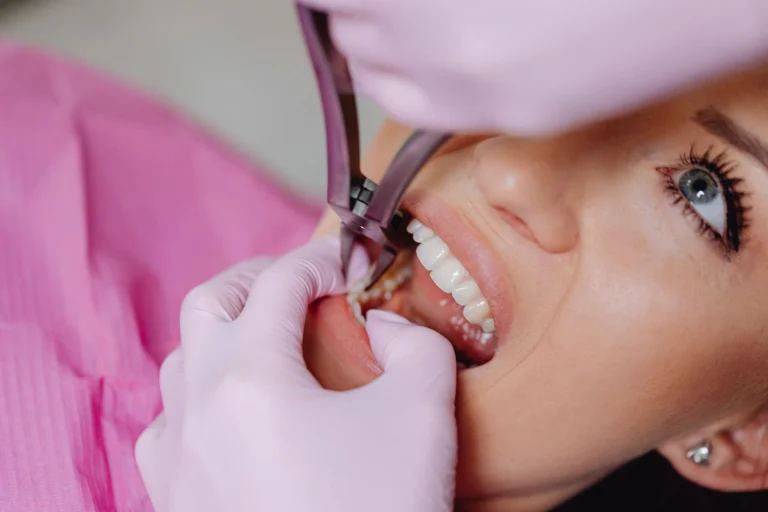
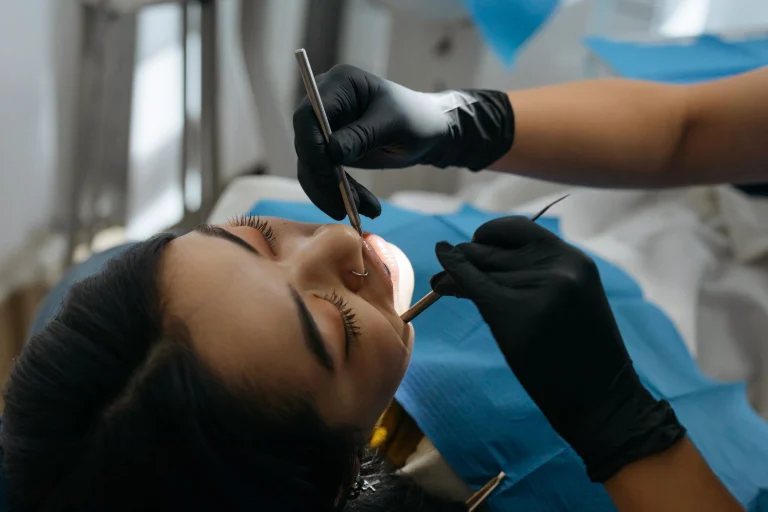
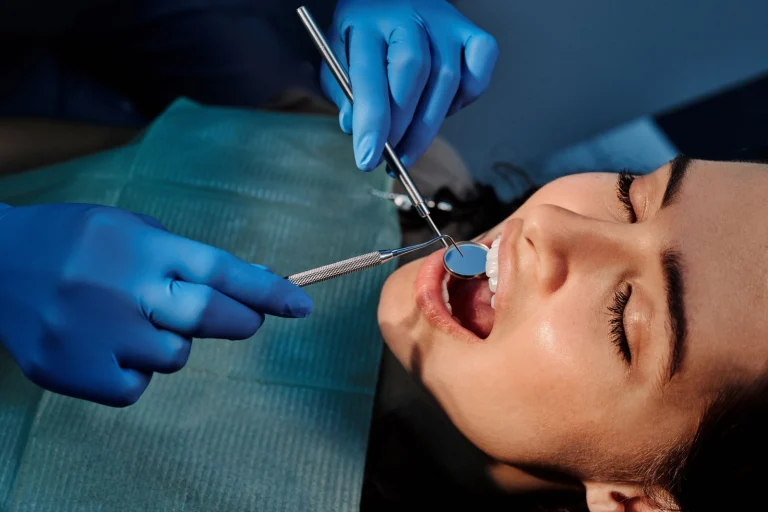
Dr. Haywood carefully evaluates your teeth and gums, takes X-rays and photos, and looks at your bite for TMJ issues. Digital X-rays appear on screen right away, with less radiation than standard dental X-rays, and intraoral cameras let you see what the team sees. An oral cancer screening is part of the checkup. See what happens during an oral cancer screening.
Can a cavity be found before it hurts?
Often, yes. DIAGNOdent is a laser that can detect even small amounts of decay at the earliest stages, sometimes before it can be seen on an X-ray, so problems can be treated before any discomfort develops.
Questions about brushing, flossing and toothpaste
Is a manual or electric toothbrush better?
Both can do an excellent job when used properly. What matters most is a soft brush, gentle pressure, and reaching the gumline on every tooth, twice a day. Scrubbing hard doesn’t clean better and can wear gums and enamel. Read smart brushing beats aggressive brushing.
Is string floss better than a water flosser or floss picks?
The best tool for cleaning between your teeth is the one you will use every day, the right way. String floss works well for many people. A water flosser can help if you have braces, bridges or implants, or find floss hard to handle, and floss picks are convenient for some. See why a water flosser might be a good idea and are floss picks as good as regular floss?
What kind of toothpaste should I use?
The practice avoids fluoride. Instead of fluoride treatments, calcium rebuilding treatments are offered to help strengthen enamel for patients of all ages, and xylitol mints and lollipops help reduce decay risk. If you want help choosing a toothpaste that fits a fluoride-free approach, ask the team at your visit. See holistic dentistry.
Do I need mouthwash?
Mouthwash can be part of a routine, especially after gum treatment, when a prescription or over-the-counter rinse may be recommended. But no rinse replaces brushing and cleaning between your teeth. If you use mouthwash to cover bad breath, it is worth finding the cause; read bad breath causes and halitosis treatment.
Questions about gums
Why do my gums bleed when I brush or floss?
Bleeding usually means the gums are inflamed, most often from plaque along the gumline. Brushing too hard, restarting flossing after a break, some medications and hormonal changes can also cause it. Bleeding that keeps coming back deserves an exam. Read bleeding gums after a cleaning.
How do I know if I have gum disease?
Signs can include sore or swollen gums, bleeding, bad breath, pus around the gumline, painful chewing, sensitivity and teeth that look longer. On their own these symptoms don’t necessarily mean gum disease, and gum disease can also be painless. The hygienists check your gums with careful measurements, and oral DNA testing can identify which of the 11 most suspected periodontal pathogens are present. See how periodontal disease is diagnosed.
Can gum disease be reversed?
Treatment can control and even reverse the early stages of gum disease. Gum infection that has advanced can be managed and controlled, but it is never completely cured, which is why ongoing periodontal maintenance matters. Ninety-eight percent of the practice’s periodontal therapy is non-surgical.
Do my gums affect the rest of my health?
The health of your gums has been linked to serious health risks such as diabetes and cardiac disease, so caring for your gums helps protect your overall health, too. Ask about the “oral systemic connection” at your visit.
Questions about fillings and dental work
How long will my filling last?
No filling lasts forever in every case. Over time, fillings can wear away, fracture or fall out, and a filling that is worn at the edges or pulling away can let decay develop underneath. Good home care and regular checkups help any restoration last longer. Bonded inlays and onlays are among the longest-lasting and strongest restorations, and have been known to last 30 years and longer. See ultimate dental fillings.
What are fillings made of here?
The practice is mercury-free and never uses amalgam fillings. Tooth-colored fillings use a special composite mixed at the time of treatment to match your natural teeth, bonded to the tooth and completed in a single visit.
Should I replace my old silver fillings?
Not every old filling needs to come out, but worn, cracked or leaking fillings should be evaluated. When old amalgam fillings are removed, the practice follows rigorous safety protocols designed to minimize exposure to mercury vapor, and teeth are restored with tooth-colored composite.
Frequently asked questions
Are you accepting new patients?
Yes. New patients are always welcome. You can complete your new patient forms online before your first visit. See new patient information.
Do you take dental insurance?
The practice is out of network with all dental insurance providers. You pay at the time of your visit, and the office files the claim on your behalf so your plan can reimburse you for whatever it covers. Health savings and flex plans are welcome, and financing is available through CareCredit, with no-interest options for up to 12 months, and Cherry, with plans from 3 to 24 months. See financing options.
What if I’m nervous about dental visits?
You are not alone. Laughing gas is offered as a complimentary service, oral sedation is available, and IV sedation is available for longer or more complex care. The spa-like office also offers paraffin wax hand treatments and aromatherapy. See comfortable dental care for anxious patients.
What are your office hours?
Monday 8:30 AM to 6:30 PM, Tuesday 8:30 AM to 5 PM, Wednesday 8:30 AM to 3:30 PM, Thursday 8:30 AM to 4:30 PM and Friday 8:30 AM to 4 PM. The office is closed on Saturday and Sunday.
Bring your questions to Timonium
Have a question that isn’t on this list? Bring it to your next visit, or call and ask. Request an appointment or call (410) 453-9399. The office of Dr. Steven W. Haywood, DDS is at 108 W Timonium Rd, Ste 200, Timonium, MD 21093, serving Timonium, Towson, Pikesville, Baltimore and the surrounding communities. Learn more about gum disease treatment in Timonium.
Ready to see your future smile?
Have a question about your teeth or gums? Ask it at a visit in Timonium.