Yes. Brushing and flossing at home are essential, but they can’t do everything a professional teeth cleaning does. Even a careful routine misses some plaque, and once plaque hardens into tartar, only professional instruments can remove it. A cleaning appointment is also a check-up: your gums are measured, your teeth are examined for early decay, and problems such as gum disease and oral cancer can be caught before you would notice them yourself.
Think of it as two jobs. Home care removes the plaque that forms every day. Professional care removes what home care leaves behind and checks for problems. This guide explains what each one does, what a cleaning at the Timonium office of Dr. Steven W. Haywood, DDS can include, and how often you need one.
What brushing and flossing do well
Brushing at least twice a day and cleaning between your teeth every day remove most of the soft plaque that builds up on teeth. That daily removal is what keeps plaque from settling in long enough to cause decay and inflame your gums. No cleaning appointment can make up for skipping it, so good home care is the foundation of dental health.
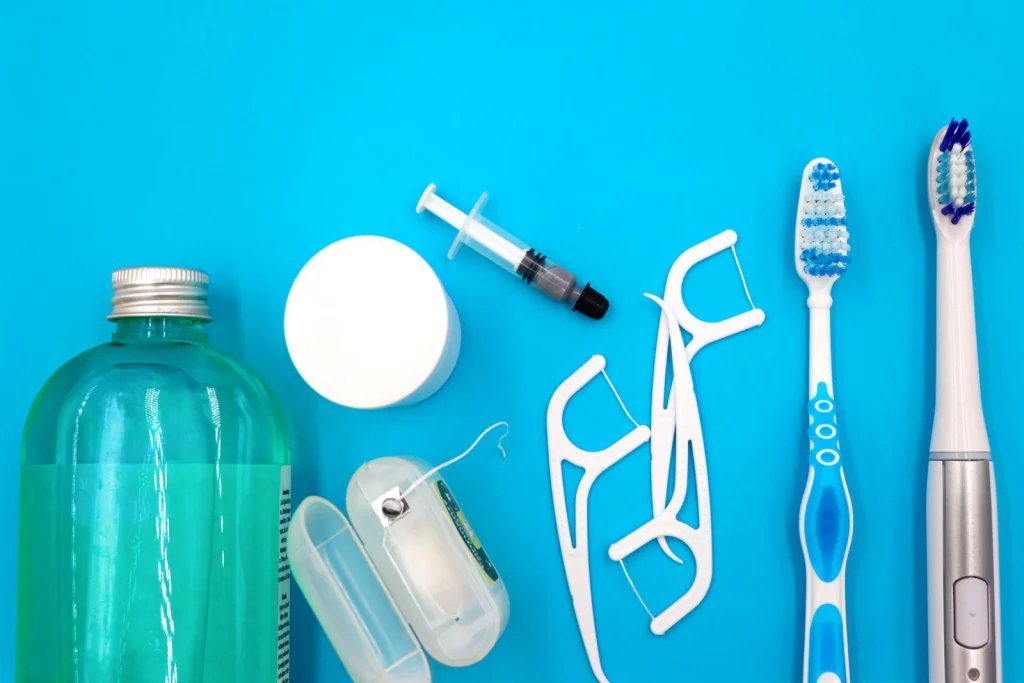
How you do it matters too. Gentle brushing with a soft brush, angled toward the gum line, cleans better than scrubbing. Read smart brushing vs. aggressive brushing, and compare tools for between your teeth in floss picks vs. regular floss and why a water flosser might be a good idea.
What home care can’t do
Remove tartar
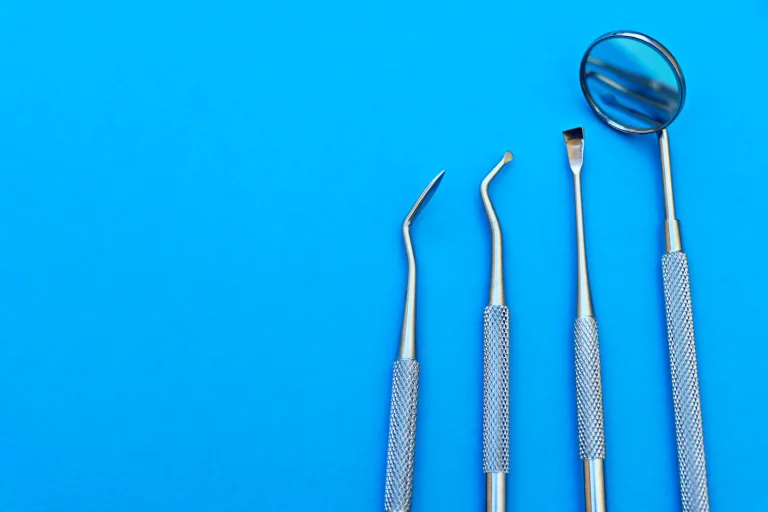
Plaque that stays on teeth, even in small amounts, can harden into tartar, also called calculus. Tartar is hard, rough and firmly attached, so a toothbrush and floss can’t remove it, and its rough surface collects even more plaque. Removing it takes professional instruments and training.
Reach below the gum line
Plaque and tartar can collect just below the gum line and in the spaces between the gums and teeth, where brushing and flossing can’t fully reach. Bacteria there keep the gums inflamed, which can lead to gum disease.
See what you can’t
You can’t measure your own gum pockets, see decay forming between your teeth, or check the soft tissues at the back of your throat. Many dental problems cause no pain until they are advanced, so feeling fine isn’t the same as being checked.
What a professional cleaning visit includes in Timonium
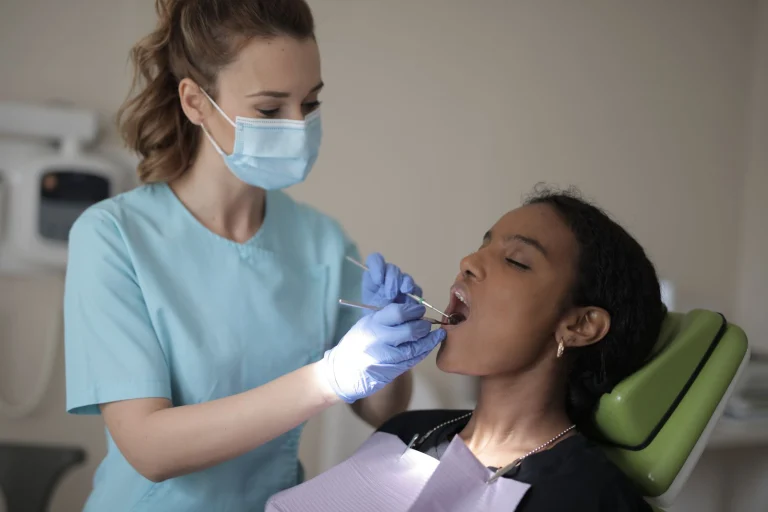
Cleaning appointments at the practice last a full 60 minutes. One full hour gives the team time to use their skill and experience on your teeth and gums instead of rushing. Depending on your needs, a visit can include:
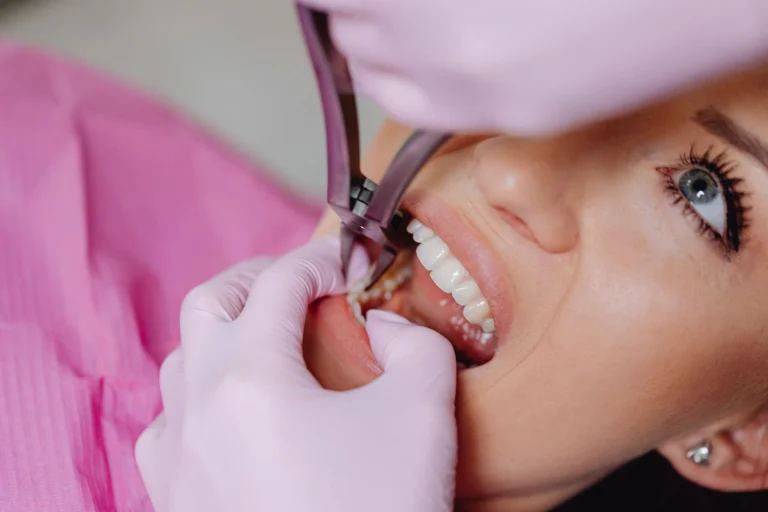
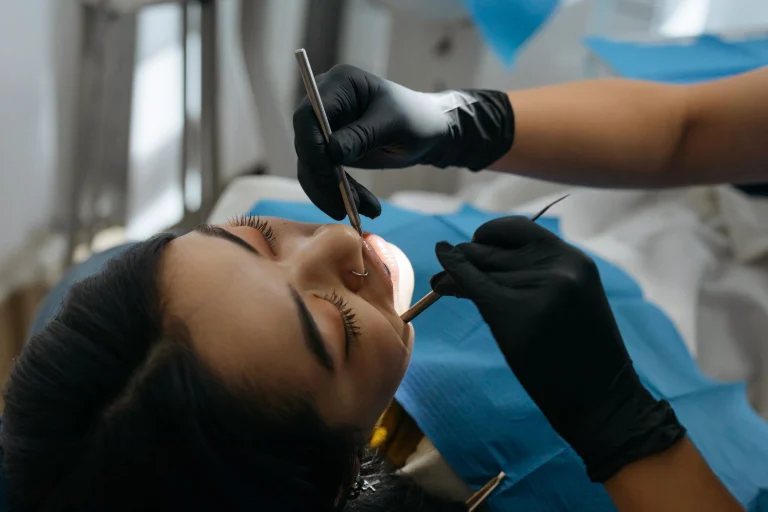
- Removing plaque and tartar from your teeth, between them, and along and just under the gum line
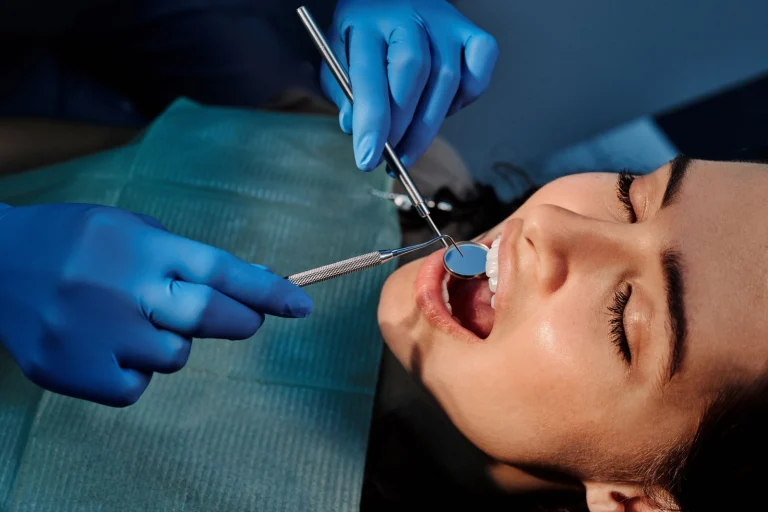
- Checking your gums with careful measurements, so pockets and early gum disease are found before they cause symptoms
- Digital X-rays, which appear on screen right away with less radiation than standard dental X-rays
- Intraoral cameras that zoom in on each section of your mouth, so you can see what the team sees
- DIAGNOdent, a laser that can detect small amounts of decay at the earliest stages, sometimes before it shows on an X-ray
- An oral cancer screening with ViziLite, recommended once a year for every patient over eighteen
- A look at your bite for signs of grinding or TMJ issues
The practice holds very high standards for gum health and strives for zero bleeding and zero infection. Learn about the dental technology used and oral cancer screening.
Preventive treatments to ask about
A cleaning visit is also where you can talk about extra protection for your teeth:
- Super sealants seal the chewing surfaces and all the pits and fissures of adult and children’s teeth, so bacterial byproducts and simple sugars can’t be harbored there. The process is simple and painless, and the practice offers a lifetime warranty.
- Calcium rebuilding treatments. The practice avoids fluoride and offers calcium rebuilding treatments to help strengthen enamel for patients of all ages, since decay rates increase with age and medications and dry mouth can set the stage for root decay.
- Xylitol. Xylitol mints and lollipops also help reduce decay risk.
- Custom bite guards for people who grind, which are comfortable, clear and made for you.
Read more about dental cleanings and preventive care.
Why regular cleanings matter for your gums and overall health
Periodontal disease is the leading cause of tooth loss in adults, and it often starts without pain. Regular cleanings remove plaque and tartar buildup that daily brushing and flossing may miss, and they are one of the simplest ways to help prevent cavities and gum disease. The health of your gums has also been linked to serious health risks such as diabetes and cardiac disease, so regular dental care helps protect more than your teeth.
If a cleaning visit shows signs of infection, such as bleeding or receding gums, bad breath or deep pockets, the next step may be a deep cleaning called scaling and root planing, which removes harmful bacteria from beneath the gums. Treatment can control and even reverse the early stages of gum disease. See gum disease treatment, and if a whole-body approach matters to you, holistic dentistry at the practice includes bacterial DNA testing and laser and ozone gum therapy.
How often do you need a teeth cleaning?
- Most patients: the practice recommends a professional cleaning every six months.
- After treatment for gum disease: follow-up care every 3 to 4 months may be recommended, because regular follow-up creates an environment for the gums and bone to heal.
- With dental implants: cleanings every 3 to 4 months are recommended, because gums don’t seal around an implant as firmly as around a natural tooth. Titanium can’t be scraped and cleaned with the stainless-steel instruments used on natural teeth, so implants are cleaned with titanium or plastic instruments.
Paying for cleanings
The practice is out of network with all dental insurance providers. You pay at the time of your visit, and the office files the claim on your behalf so your plan can reimburse you for whatever it covers. Health savings and flex plans are welcome, and financing is available through CareCredit, with no-interest options for up to 12 months, and Cherry, with plans from 3 to 24 months. See financing options.
Frequently asked questions
Can I skip cleanings if my teeth feel fine?
It isn’t a good idea. Tartar, early decay and early gum disease often cause no symptoms, and a cleaning visit is when they are found. Feeling fine is a good sign, and a check-up confirms it.
Is a regular cleaning the same as a deep cleaning?
No. A regular cleaning removes plaque and tartar and checks your gums. A deep cleaning, called scaling and root planing, treats gum disease by removing harmful bacteria from beneath the gums. It is usually done in sections, with the teeth and gums numbed first.
How long does a teeth cleaning take?
Cleaning appointments at the practice are a full 60 minutes.
What if my teeth are sensitive or I’m nervous about cleanings?
Tell the team, so the visit can be planned around it. Laughing gas is offered as a complimentary service, and you should feel fully alert afterward and able to drive home.
Book your cleaning in Timonium
If you brush and floss well, a professional cleaning is how you make sure it is working. Request an appointment or call (410) 453-9399. The office of Dr. Steven W. Haywood, DDS is at 108 W Timonium Rd, Ste 200, Timonium, MD 21093, and patients come from Timonium, Towson, Hunt Valley, Baltimore and Shrewsbury, PA. New patients are always welcome. Learn more about general dentistry in Timonium.
Ready to see your future smile?
Brush and floss every day? Book a 60-minute cleaning in Timonium to make sure it's working.