The only way to know for sure whether you have periodontal disease is a gum exam. Symptoms such as bleeding, puffy or receding gums can point to it, but periodontal disease is often painless and easy to miss, and some people have it without noticing anything at all. A dental team diagnoses it by measuring the pockets between your gums and teeth, checking for bleeding, recession and loose teeth, reviewing X-rays, and in some offices, testing which bacteria are present.
This guide explains what periodontal disease is, why people so often don’t realize they have it, exactly how it is diagnosed at the Timonium office of Dr. Steven W. Haywood, DDS, and what your results mean for treatment.
What is periodontal disease?
Periodontal disease, or gum disease, is an infection of the tissues that surround and support your teeth. It starts when plaque bacteria collect along the gumline and the gums become inflamed.
Gingivitis
The early stage, gingivitis, is limited to the gums. They may look a little red or swollen along the edges and bleed when you brush or floss. At this stage, treatment can control and even reverse the problem.
Periodontitis
If inflammation continues, the infection can move below the gumline into the tissue and bone that hold the teeth in place. The gums pull away from the teeth and form deeper pockets that collect more bacteria. Gum disease worsens as it progresses through its stages, and periodontal disease is the leading cause of tooth loss in adults. Advanced gum infection can be managed and controlled, but it is never completely cured.
Why so many people don’t know they have it
- It often doesn’t hurt. Inflamed gums can be tender, but many people feel nothing until the disease is advanced.
- Bleeding gets explained away. A little blood in the sink is easy to blame on brushing too hard.
- Smoking can hide the signs. Tobacco can reduce gum bleeding, so gums can look healthier than they are. See how smoking and vaping affect your gums.
- The damage is below the surface. Pockets and bone changes can’t be seen in a mirror.
Questions to ask yourself
These questions can’t diagnose periodontal disease, but a “yes” to any of them is a good reason to book a gum exam:
- Do your gums bleed when you brush, floss or eat?
- Are your gums red, swollen or tender?
- Do your teeth look longer than they used to?
- Do you have bad breath or a bad taste that won’t go away?
- Are your teeth more sensitive, or does chewing hurt?
- Have any teeth started to feel loose, or does your bite feel different?
- Has it been a long time since your gums were measured?
On their own, these symptoms don’t necessarily mean you have gum disease. For a closer look at each one, read the five warning signs of gum disease.
How periodontal disease is diagnosed
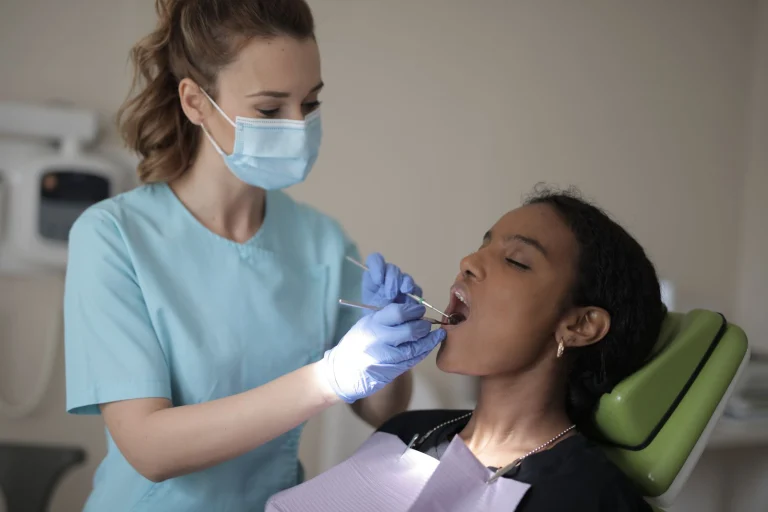
At Dr. Haywood’s practice, the experienced hygienists take the lead in identifying and explaining gum disease. A thorough gum evaluation usually brings together several pieces of information.
1. Your health history and medications
Your first appointment starts with a conversation about your dental concerns, health history and medications. Some conditions and medicines affect the gums, and the health of your gums has been linked to diabetes and cardiac disease, so this context matters.
2. Careful gum measurements
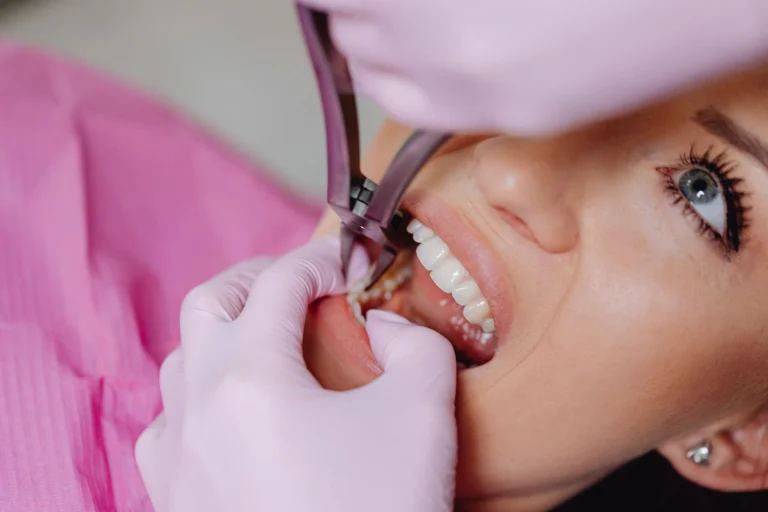
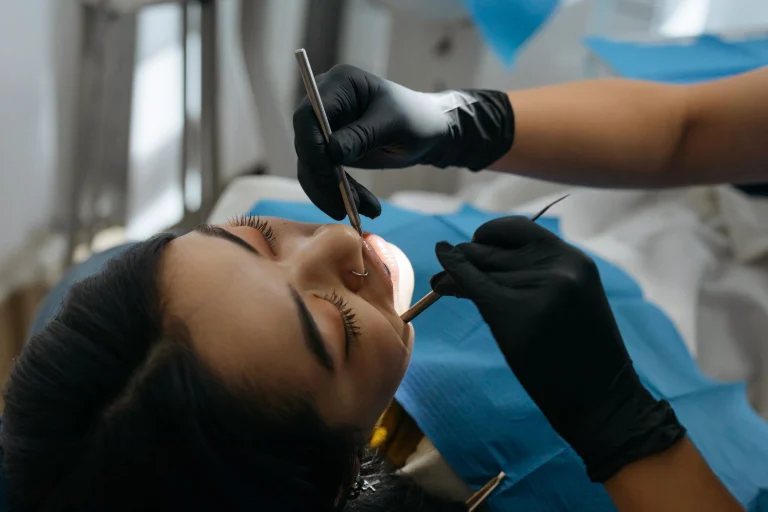
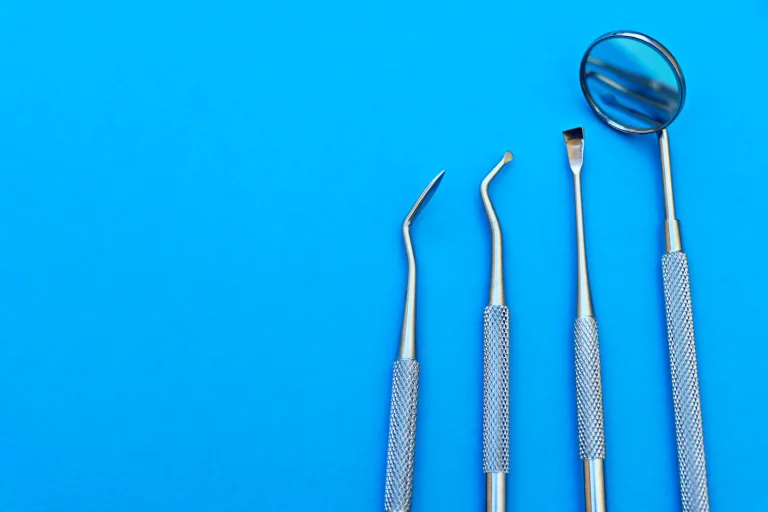
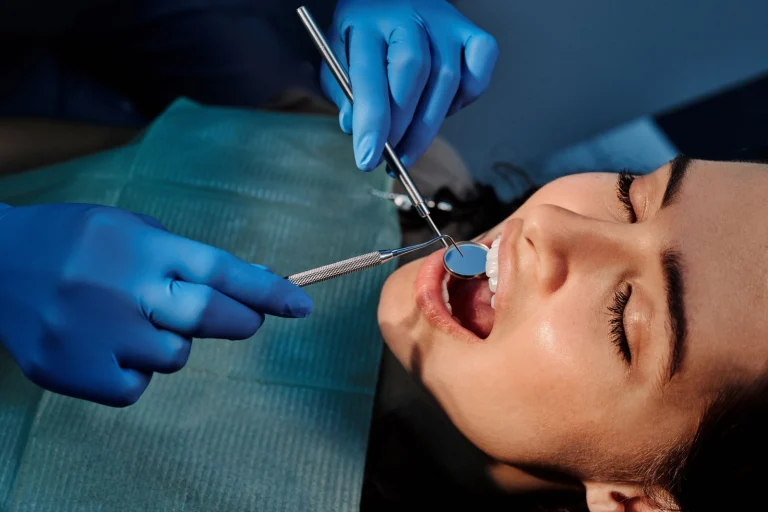
The hygienists check your gums with careful measurements. In general, a thin measuring instrument is placed gently between the gum and each tooth to measure how deep the pocket is at several points. Healthy gums fit snugly around the teeth. Deeper pockets suggest the gums have pulled away because of infection. Bleeding or receding gums, bad breath and deep pockets in the gums all point to infection.
3. Checking for bleeding, recession and movement
Along with pocket depths, the team notes where the gums bleed, where they have receded and whether any teeth have become loose. Repeating these measurements at later visits shows whether your gums are getting better or worse.
4. Digital X-rays and intraoral cameras
Digital X-rays help spot infection and abnormalities early and appear on screen right away, with less radiation than standard dental X-rays. X-rays also show the bone around your teeth, which a visual exam can’t. Intraoral cameras zoom in on each section of your mouth so you can see what the team sees.
5. Oral DNA testing
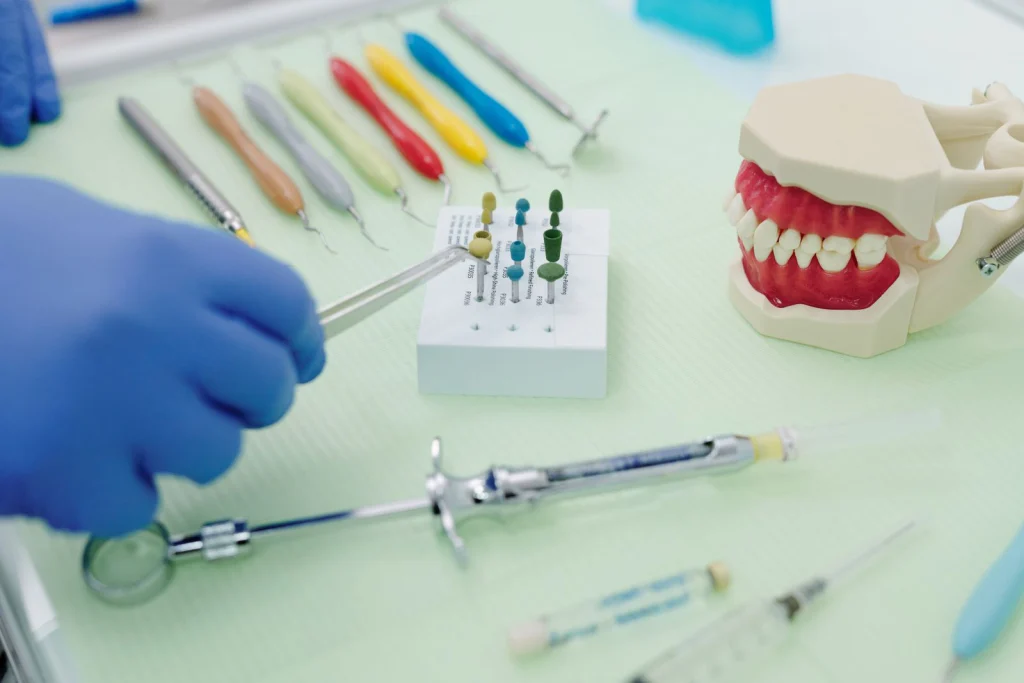
Oral DNA testing identifies which of the 11 most suspected periodontal pathogens are present. Knowing exactly what is there helps the practice diagnose gum disease and create more personalized, more accurate treatment. See the dental technology used in the office.
What your results mean
Healthy gums
Shallow pockets, little or no bleeding and no bone changes mean your home care and regular cleanings are working. A professional cleaning every six months is recommended to keep it that way.
Early gum disease
Bleeding and inflammation without deeper pockets usually point to gingivitis. Better home care and professional cleaning can often turn this around. See how to prevent gum disease.
Periodontitis
Deeper pockets, recession, bone changes or loose teeth mean the infection has moved below the gumline. When you are diagnosed, Dr. Haywood meets with you to develop your individual treatment plan.
Periodontal disease treatment in Timonium
Ninety-eight percent of the practice’s periodontal therapy is non-surgical and comfortable. Depending on your diagnosis, a plan may include:
- Scaling and root planing, a deep cleaning that removes harmful bacteria from beneath the gums
- Irrigation and disinfectants to flush bacteria from the pockets
- Site-specific antibiotics such as Arestin or Atridox, or the “periodontal pill” Periostat
- Laser therapy with the Picasso laser for precise, comfortable soft tissue care
- Laser and ozone therapy for patients who prefer a holistic approach without chemicals
- Periodontal maintenance to keep the infection in check afterward
For how these options fit together, read effective gum disease treatment. For patients interested in a whole-body approach, see holistic dentistry.
Why an early diagnosis helps
The earlier periodontal disease is found, the more treatment can do. Early gum disease can be reversed, while advanced disease can only be managed. Gum infection can also spread if left alone; see the dangers of oral infections. Regular gum measurements at your cleaning are the simplest way to catch changes before you would notice them yourself.
Paying for a gum evaluation and treatment
The practice is out of network with all dental insurance providers. You pay at the time of your visit, and the office files the claim on your behalf so your plan can reimburse you for whatever it covers. Health savings and flex plans are welcome, and financing is available through CareCredit, with no-interest options for up to 12 months, and Cherry, with plans from 3 to 24 months. See financing options.
Frequently asked questions
Can I tell if I have periodontal disease at home?
You can notice warning signs, such as bleeding, swollen or receding gums and persistent bad breath, but you can’t measure gum pockets or see bone at home. A gum exam is the only way to know.
Does checking my gums hurt?
Gum measurements are done gently. Inflamed gums may feel tender or bleed a little during the check, which is itself useful information. If you are anxious, laughing gas is available as a complimentary service.
Is periodontal disease the same as gum disease?
Yes. Periodontal disease and gum disease are two names for the same condition, from early gingivitis to advanced periodontitis.
What happens if I am diagnosed with periodontal disease?
Dr. Haywood meets with you to develop an individual treatment plan, usually built on non-surgical scaling and root planing, followed by periodontal maintenance to keep the infection under control.
Find out whether you have periodontal disease
If any of the questions above sounded familiar, a gum evaluation will give you a clear answer. Request an appointment or call (410) 453-9399. The office of Dr. Steven W. Haywood, DDS is at 108 W Timonium Rd, Ste 200, Timonium, MD 21093, serving Timonium, Towson, Pikesville, Baltimore and the surrounding communities. Learn more about gum disease treatment in Timonium.
Ready to see your future smile?
Not sure about your gums? Book a gum evaluation in Timonium for a clear answer.