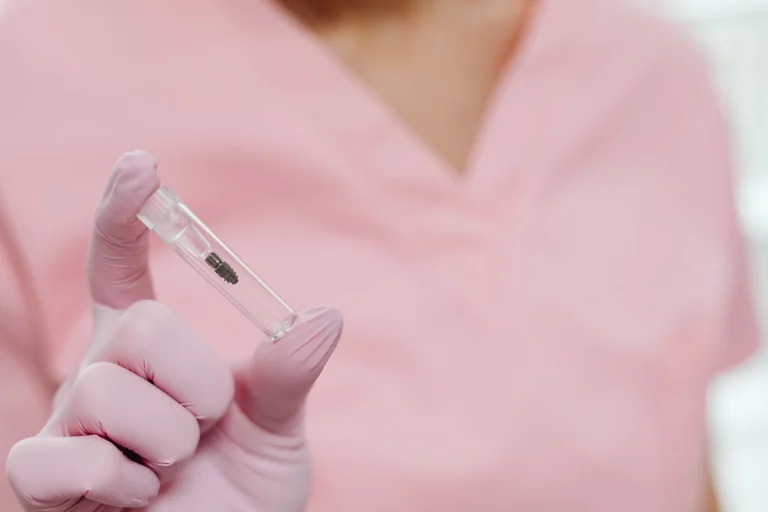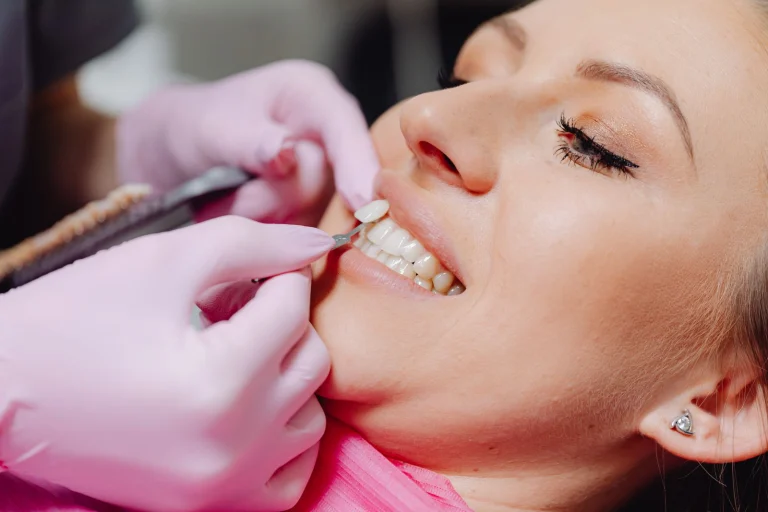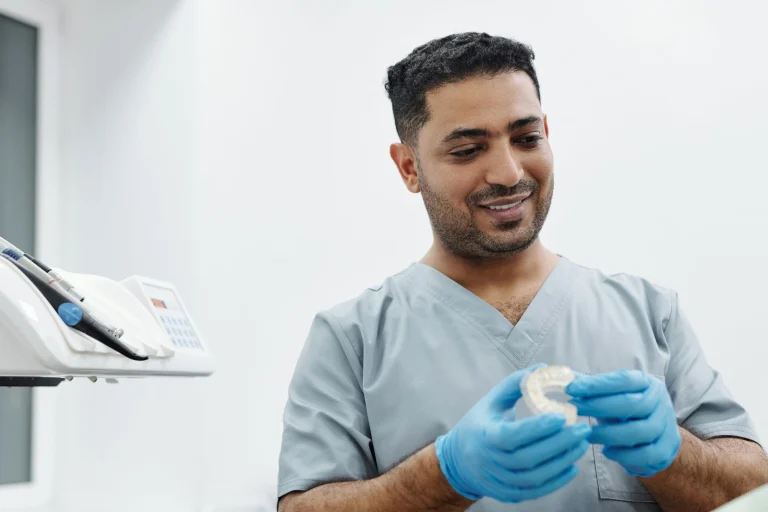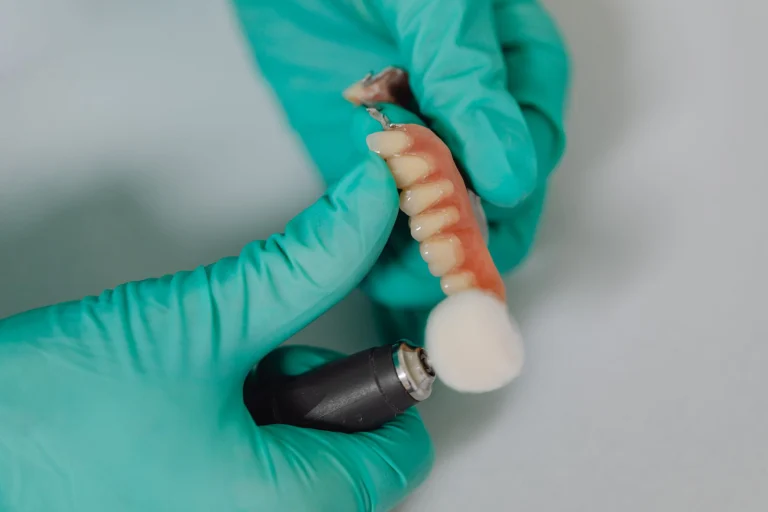
Full mouth dental implants replace every tooth on an arch with teeth anchored to implants, and they come in two styles: fixed teeth that stay in, and snap-on teeth that come out for cleaning. In the Baltimore and Timonium area, full mouth implant treatment typically ranges from $20,000 to $50,000 or more per arch, and the choice between fixed and snap-on is one of the biggest factors in where your own case lands.
If you live in Hunt Valley, Timonium or Cockeysville and are pricing full mouth implants, this guide is meant to help you make that choice. It compares the two styles on cost, number of implants, cleaning, comfort and long-term upkeep, and explains how Dr. Steven W. Haywood, DDS plans both at the Timonium office.
Two ways to build a full mouth of implant teeth
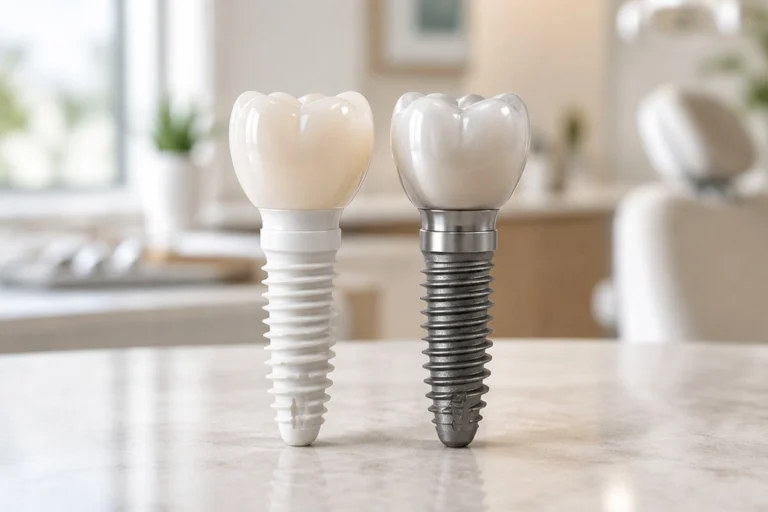
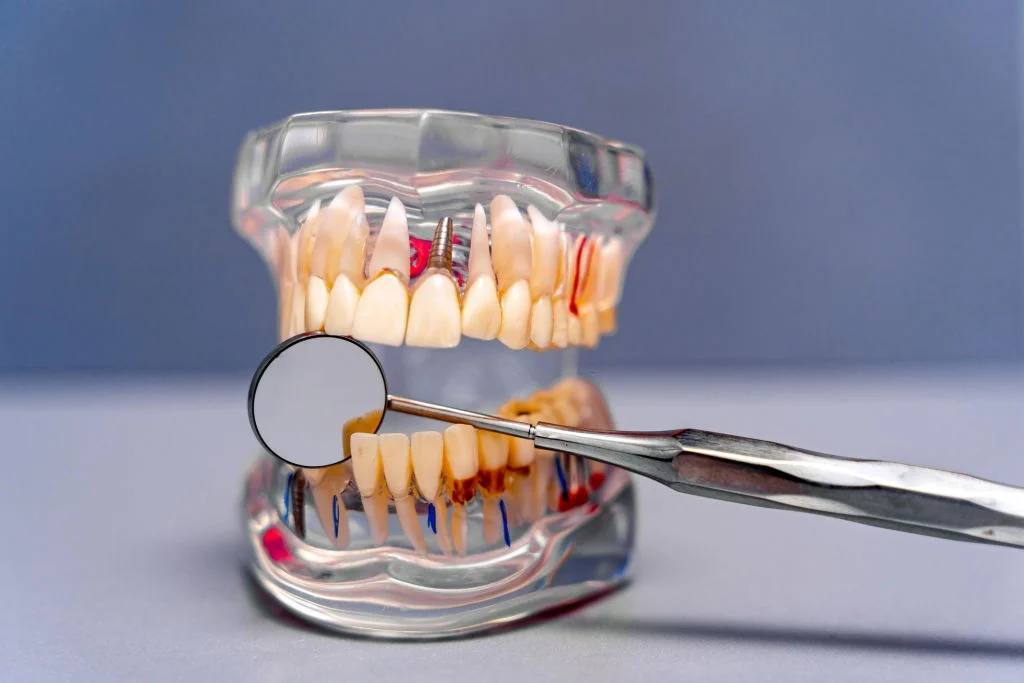
Fixed full-arch teeth are a complete set of teeth screwed or cemented onto at least four implants. You may hear them called All-on-4, All-on-Five, a fixed hybrid implant denture or “permanent dentures.” They are supported by a custom CNC-milled titanium bar and don’t come out at home.
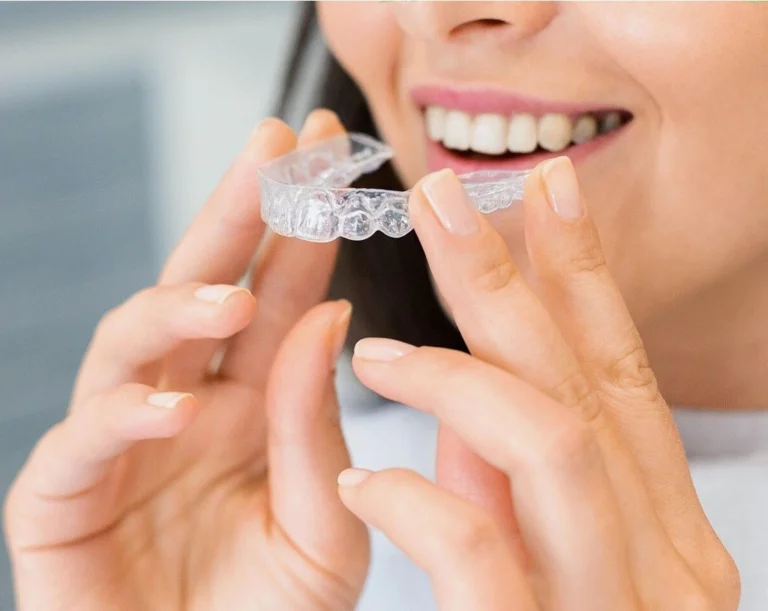
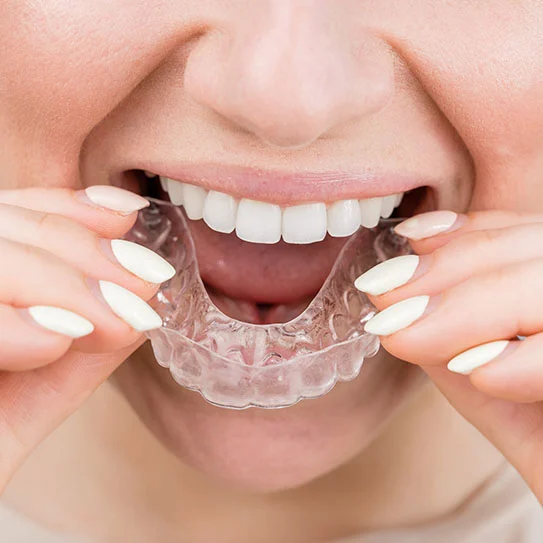
Snap-on implant teeth are a removable set that clips onto implants with snap connectors. They stay anchored while you eat and talk, then come out for cleaning.
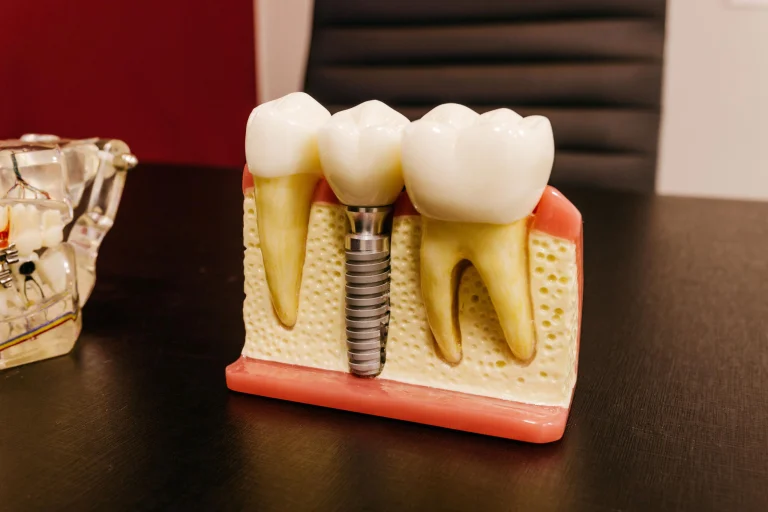
Both are very different from a conventional denture that rests on the gums. Because implants act as new roots, both styles help prevent the bone deterioration that follows tooth loss.
Fixed or snap-on: side by side
- Implants per arch: fixed teeth need at least four, and more are often suggested where bone support is lacking. Snap-on teeth usually use four or five on the upper arch and at least two on the lower, with four or more often preferred.
- Taking them out: fixed teeth can only be removed by the practice. Snap-on teeth come out at home for cleaning.
- How they feel when you chew: fixed teeth don’t move or wobble, so chewing is the most natural of all the options. Snap-on teeth are anchored during chewing and far more secure than a conventional denture.
- The roof of your mouth: an upper snap-on set is horseshoe-shaped and leaves the palate open. Fixed teeth are the smallest full replacement style available.
- Cost: a full upper snap-on set costs roughly 30% less than a comparable fixed set. Fixed teeth are the most costly option.
- Upkeep: fixed teeth are removed and cleaned at the office every 3–4 months in most cases. Snap-on teeth are cleaned at home, with implant cleanings every 3–4 months.
- Room to grow: a lower snap-on set can start with two implants, and more can often be added later.
How the choice affects the cost
A per-arch range is only a starting point. Within it, these are the things that move your fee:
- The number of implants your bone and bite require.
- Fixed or snap-on teeth, as above.
- The teeth themselves. Fixed hybrid teeth start with high-strength denture teeth; custom ceramic teeth are recommended for the ultimate durability and beauty, at additional cost.
- Preparatory procedures, such as removing failing teeth or bone grafting.
- Long-term care. Fixed teeth last only with professional care, so plan for regular maintenance visits as part of the cost.
Implants can cost more up front than other ways of replacing teeth, but they are built to last. For a full breakdown of implant fees, from one tooth to a full arch, read how much dental implants cost in Timonium.
Fixed teeth may suit you if…
- You want teeth that never come out at home and feel the most like natural teeth.
- You are comfortable cleaning around teeth in place and coming in every 3–4 months for a thorough professional cleaning.
- Your scan shows enough bone for at least four well-placed implants, or grafting can build it up.
- You value the smallest, least bulky replacement and strong, stable chewing over the lower price of a removable set.
Snap-on teeth may suit you if…
- You want a big step up from a denture at a lower cost.
- You like being able to take your teeth out to clean them and the implants underneath.
- You would rather start with two lower implants now and add more when finances allow.
- You wear a denture already and want to see whether implants can be added under it. See switching from a loose denture to implant teeth.
For more on the attachments themselves, read how implant dentures work, or visit the snap-on implant teeth page.
Your bone may help make the decision
Every full-arch plan starts with a cone beam CT scan. The practice uses a low-dose Green CT scanner, and within minutes the software shows the quantity and quality of your bone, including whether you need grafting. A lack of good bone support may lead Dr. Haywood to recommend more implants as your foundation. Implants for a full arch often need to be almost parallel to one another, which is when a 3D-printed surgical guide made from your plan matters most. Read about computer-guided implant surgery.
Active gum disease is treated first, and smokers can have implants, though they are somewhat less successful. Any useful teeth that can support a good final result are kept.
What the fixed and snap-on options have in common
Whichever style you choose, the CT scan, planning, extractions, implant placement and final teeth all happen in the local office, with Dr. Haywood as both the surgeon and the restoring dentist. While the implants heal, temporary teeth are in place for fixed plans so you can chew comfortably, and implants can even support a full set of teeth in one day when your scan allows it. With fixed teeth, a spare set is always made, so you aren’t without teeth if your set needs service; the teeth can also be repaired if they chip or break.
Implants that heal properly over the first 6–12 weeks are considered to have lifetime potential, as long as they are looked after at home and with professional implant hygiene. Gum tissue doesn’t seal around an implant as firmly as around a natural tooth, so implants are cleaned with titanium or plastic instruments rather than steel. See caring for dental implants.
A second opinion on another plan
If you have already been given a full-arch proposal, including one from a large corporate implant center, the practice will review it and prepare a proposal for you. Second opinions are always complimentary, and many patients find a personalized plan with a full range of restorative options more appealing.
Coming from Hunt Valley and Cockeysville
Patients come for implants from Hunt Valley, Towson, Baltimore and Shrewsbury, PA. The office is in Timonium Green at 108 W Timonium Rd, Ste 200, on the corner of the block with Coppermine Health & Fitness. From York Rd, turn onto Timonium Rd, then right onto Greenspring Dr, and take the very first left into the parking lot. Patients coming from Baltimore itself may find full mouth dental implants near Baltimore useful.
Insurance and financing
The practice is out of network with all dental insurance companies. You pay at the time of your visit, and the office files the claim on your behalf so your plan can reimburse you for what it covers. Health savings and flex plans are welcome. For treatment of this size, CareCredit offers no-interest options for up to 12 months, and Cherry offers payment plans from 3 to 24 months. Paying in full when you schedule earns a 2–5% prepayment courtesy (10% for patients 70 and over), which can’t be combined with financing. See financing options.
Frequently asked questions
How much do full mouth dental implants cost near Hunt Valley?
In the Baltimore and Timonium area, full mouth implant treatment typically ranges from $20,000 to $50,000 or more per arch. Snap-on teeth cost less than fixed teeth, and your own fee is set after your exam and CT scan.
How many implants are needed for a full arch?
Fixed teeth need at least four per arch, often more where bone is limited. A snap-on upper set usually uses four or five, and a snap-on lower set at least two.
Are fixed implant teeth really permanent?
They stay in and can’t be removed at home, but they are not maintenance-free. Removing and cleaning them at the office every 3–4 months is recommended in most cases, and the teeth can be expected to need service at some point, which is why a spare set is made.
Can I start with a snap-on lower denture and add implants later?
Often, yes. Many people start with two lower implants for financial reasons, and more implants can often be added over time for extra stability.
Plan your full mouth implants in Timonium
Dr. Steven W. Haywood, DDS has over 35 years of experience and is a Fellow of the International Congress of Oral Implantologists. To find out whether fixed or snap-on teeth fit your mouth, your routine and your budget, see fixed full-arch implant teeth and all dental implant options in Timonium, then request an appointment or call (410) 453-9399. The office is at 108 W Timonium Rd, Ste 200, Timonium, MD 21093.
Ready to see your future smile?
Choosing between fixed and snap-on implant teeth? Book a full-arch consultation in Timonium.