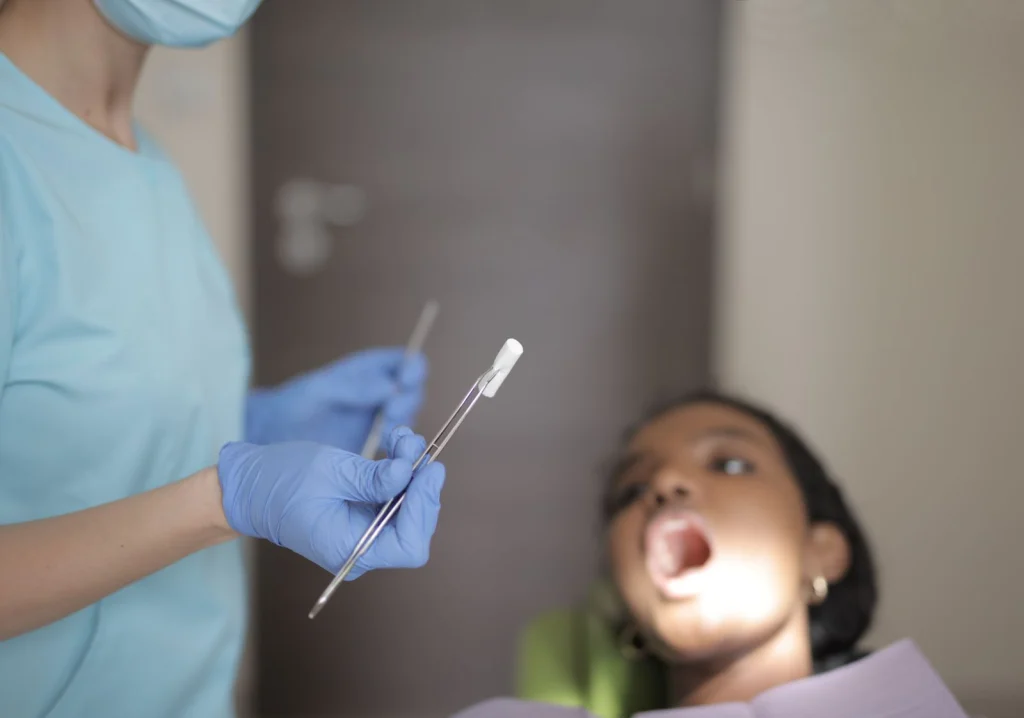
Do people pierce their teeth? Not the way you pierce an ear. A true piercing goes through soft tissue, such as the tongue, lip or cheek, and a tooth is not soft tissue. What most people mean by a “tooth piercing” is a tooth gem: a small crystal or piece of jewelry attached to the front of a tooth. Oral piercings and tooth gems are both popular forms of self-expression, and both carry risks worth understanding before you get one, or while you have one.
This guide from the Timonium office of Dr. Steven W. Haywood, DDS covers what oral piercings can do to your teeth and gums, how tooth gems differ, the warning signs to watch for, and how to lower the risks.
Do people really pierce their teeth?
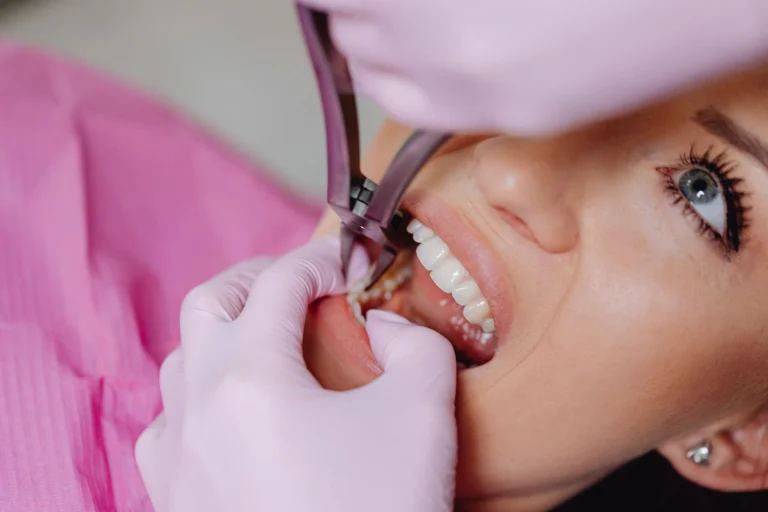
Most tooth jewelry is not a piercing at all. Tooth gems are usually bonded to the surface of the enamel with an adhesive, and they can be removed later. Drilling a hole into a tooth to hold jewelry is a very different, and far less common, thing: enamel does not grow back, so a hole in a tooth is permanent and has to be treated like any other damage to the tooth.
So when someone asks whether people get their teeth pierced, the honest answer is that many people have jewelry attached to their teeth, very few have had healthy teeth drilled for it, and many more have piercings in the tongue, lips or cheeks that sit right next to their teeth all day.
How oral piercings can affect your teeth
Chipped and cracked teeth
Tongue barbells and lip rings knock against teeth when you talk and eat, and many people get into the habit of clicking jewelry against their teeth or biting on it. Hard jewelry can chip enamel or crack a tooth, and a crack can let bacteria in or cause pain when you bite. A chip can often be repaired so it blends right in, and a more badly damaged tooth may need a porcelain crown, but it is far better to avoid the damage in the first place.
Wear on fillings and dental work
Crowns, veneers and fillings can chip under the same repeated contact. If you have dental work near a piercing, mention the piercing at your checkup so the team can look for early wear. See restorative dentistry for the ways damaged teeth are repaired.
How oral piercings can affect your gums
Gum recession
Jewelry that rests against the gums, such as a lip piercing near the lower front teeth or a tongue piercing behind them, can rub gum tissue away over time. Receding gums expose more of the tooth root, which can make teeth sensitive and more vulnerable to decay, and lost gum tissue does not grow back on its own.
Plaque and gum inflammation
Jewelry gives plaque more places to collect. Plaque around a piercing, or around the edge of a tooth gem, can inflame the nearby gums. Bleeding or swollen gums, receding gums and bad breath can be signs of gum infection and are worth an exam. See gum disease treatment.
Infection, swelling and other risks
The mouth is full of bacteria, and a new piercing is an open wound in that environment. Some swelling and tenderness after a new piercing is common, but these problems need attention:
- Infection: increasing pain, redness, heat, pus or a fever
- Swelling: a swollen tongue can make it hard to chew or swallow, and in rare cases can affect breathing
- Bleeding and nerve injury: the tongue has a rich blood supply and many nerves, so a piercing can bleed heavily or cause numbness or changes in sensation
- Allergic reactions: some people react to the metals used in jewelry
- Loose jewelry: a ball that unscrews can be swallowed or inhaled
A mouth infection should never be ignored, because infections can spread. Read more in oral infection: signs, causes and when to call. If swelling makes it hard to breathe or swallow, seek emergency medical care right away.
What about tooth gems?
How tooth gems are usually attached
Tooth gems are generally attached to the enamel with a bonding adhesive rather than drilled in. That makes them less invasive than a piercing, but not risk-free.
Questions to ask before getting one
- Who is applying it? The tooth surface has to be prepared and the adhesive handled correctly. Ask about training and how the enamel is treated.
- Is the tooth healthy? A gem placed on a tooth with decay or a weak spot can hide a problem. A dental checkup first makes sense.
- How will it come off? Removal can leave adhesive behind that needs to be polished away without damaging enamel.
- Will anything be drilled? If anyone suggests drilling into a healthy tooth to hold jewelry, think carefully. That damage is permanent.
Living with a tooth gem
Plaque tends to build up around the edge of a gem, so brush carefully around it and clean between your teeth every day. Avoid biting hard foods with that tooth. If the gem comes loose, take it out of your mouth rather than risk swallowing it, and mention the gem at every cleaning so the area can be cleaned properly.
How to lower the risks of an oral piercing
- Keep the piercing and your mouth clean, especially after eating.
- Don’t click, bite or play with jewelry against your teeth.
- Check regularly that balls and ends are screwed on tightly.
- Once any swelling has settled, ask your piercer about jewelry that sits less against your teeth and gums.
- Take jewelry out for contact sports, and consider a mouthguard.
- Keep your regular checkups so chips, recession or gum problems are caught early.
Why the soft tissues around a piercing get checked
Piercing sites are part of the soft tissues of your mouth, and those tissues are examined at your checkup. A quick, pain-free oral cancer screening is part of a regular visit at the practice. It checks the soft tissues of your mouth, throat and tongue, and ViziLite technology helps make abnormal cells easier to see. If an area needs a closer look, t-blue staining and Oral CDX cellular analysis are available in the office.
Any sore, patch or lump that does not heal, around a piercing or anywhere else in your mouth, deserves attention. Don’t wait for your next routine visit if you notice a change: call the office. Learn more about oral cancer screening in Timonium.
When a piercing leads to a dental emergency
Call the office if jewelry cracks or breaks a tooth, if a tooth is knocked out, or if you have tooth pain with swelling. A cracked tooth, facial trauma such as a knocked-out tooth, and a dental abscess are among the most common dental emergencies. If a tooth is knocked out, put it in milk and call immediately, because time is of the essence.
Dr. Haywood is available anytime for true dental emergencies for existing patients and their friends and families. New patients with emergency needs are seen on weekdays during normal business hours, based on availability, so call early in the day. See emergency dental care.
Paying for dental care
The practice is out of network with all dental insurance companies: you pay at the time of your visit, and the office files the claim on your behalf so your plan can reimburse you for what it covers. Health savings and flex plans are welcome, and financing is available through CareCredit, with no-interest options for up to 12 months, and Cherry, with payment plans from 3 to 24 months. See financing options.
Frequently asked questions
Can you actually pierce a tooth?
Teeth are not pierced the way soft tissue is. Tooth jewelry is usually bonded to the surface, and drilling into a tooth to hold jewelry permanently damages it.
Are tooth gems bad for your teeth?
They are less invasive than drilling, but plaque can build up around them, and removal can leave adhesive to polish off. Have your teeth checked first and keep the area clean.
What is the least risky oral piercing?
Every oral piercing carries some risk to the teeth and gums. Jewelry that doesn’t rest against your teeth or gums, and that you don’t bite or click, is less likely to cause wear. Your dentist can look at your own mouth and advise you.
Should I tell my dentist about my piercing?
Yes. It helps the team check for chips, gum recession and irritation around the jewelry, and you may be asked to remove jewelry for some X-rays or treatment.
My tongue piercing is swollen. What should I do?
Some swelling after a new piercing is common. Increasing pain, pus, fever, or swelling that makes it hard to swallow or breathe needs prompt medical or dental care.
Have your teeth and gums checked in Timonium
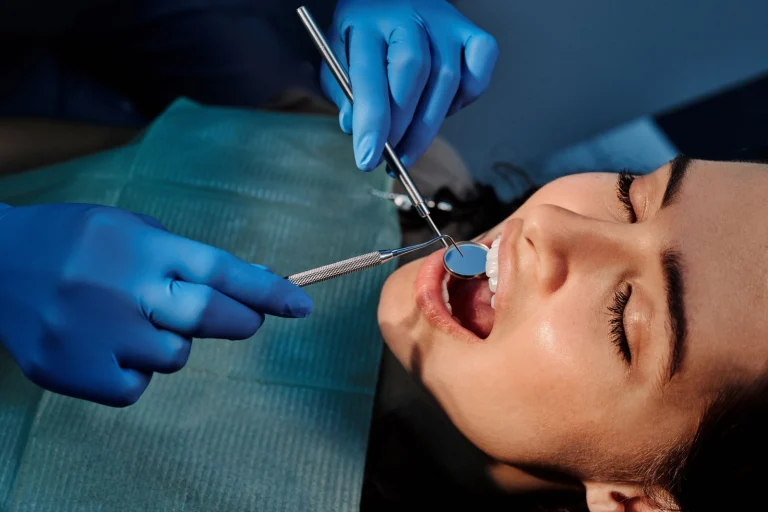
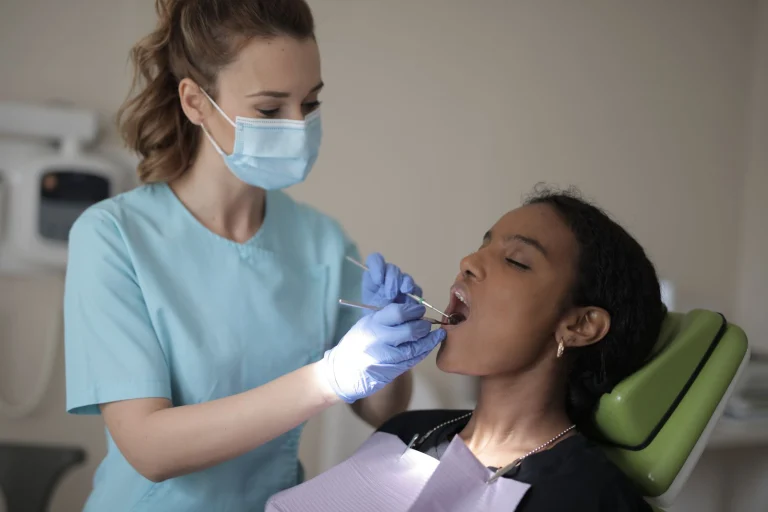
Whether you have an oral piercing, a tooth gem or are thinking about one, a checkup can show how your teeth and gums are doing. Request an appointment or call (410) 453-9399. The office of Dr. Steven W. Haywood, DDS is at 108 W Timonium Rd, Ste 200, Timonium, MD 21093. Everyday care is described on the general dentistry page.
Ready to see your future smile?
Have an oral piercing or tooth gem? Book a checkup with Dr. Haywood in Timonium.