Pregnancy changes a lot about how your body feels, and your mouth is no exception. Many people notice gums that bleed more easily when they brush, teeth that feel more sensitive, or a sour taste after a bout of morning sickness. The short answer to the question most expectant parents ask is that dental care during pregnancy is generally encouraged, not something to put off. The details of your own care, though, are a conversation for your dentist and your physician together.
This guide from the Timonium office of Dr. Steven W. Haywood, DDS covers why pregnancy can affect your teeth and gums, simple habits that help, what to tell the dental team, and the signs that mean you should call rather than wait. It is general information, not medical advice for your pregnancy.
Why pregnancy can affect your teeth and gums
Hormones and your gums
Hormone levels rise during pregnancy, and many people find their gums react more strongly to plaque than they used to. Gums can look redder, feel puffier and bleed when you brush or floss, even if you have never had gum trouble before. This is often called pregnancy gingivitis. It is common, but it is still inflammation, and gum inflammation that is ignored can progress. Keeping plaque under control and keeping your dental checkups are the best ways to stay ahead of it.
Morning sickness and enamel
Stomach acid is strong enough to soften tooth enamel. If you are sick often, especially early in pregnancy, that acid spends more time in contact with your teeth than usual. Softened enamel is easier to wear away and more open to tooth decay.
Cravings, snacking and dry mouth
Frequent snacking, and cravings for sweet or acidic foods, give the bacteria that cause cavities more to feed on through the day. Some people also notice their mouth feels drier during pregnancy. Saliva helps rinse away food and neutralize acid, so a dry mouth can leave teeth more vulnerable. Sipping water through the day helps, and dry mouth is worth mentioning at your visit.
Is it safe to see a dentist while pregnant?
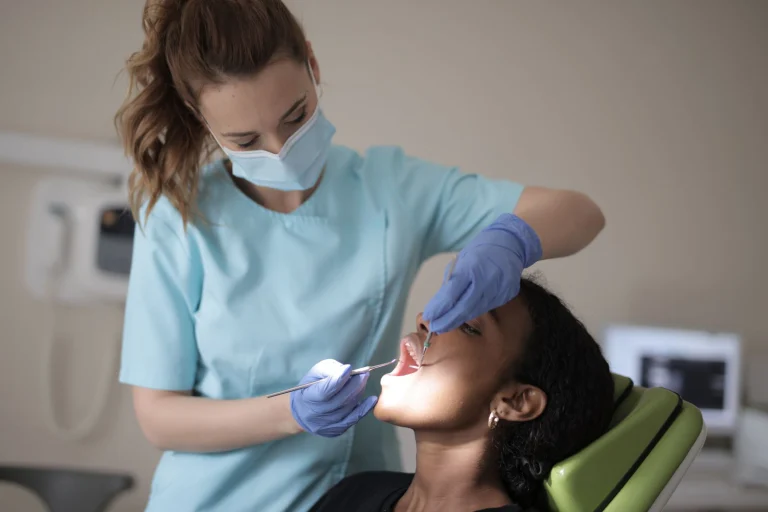
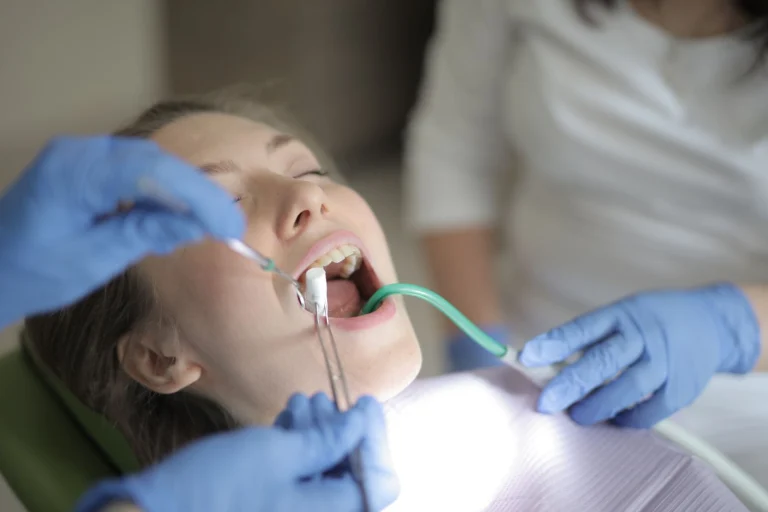
For most people, yes. Professional organizations for dentists and for obstetricians have said that preventive dental care, and treatment that is needed, can generally continue during pregnancy. Cleanings and checkups help keep small problems small, and leaving an infection or a painful tooth untreated is not good for you either.
Every pregnancy is different, though. Your physician knows your health history and your pregnancy, and your dentist knows your mouth. The safest plan is one both of them agree on. A few practical steps make that easy:
- Tell the dental team you are pregnant, and roughly how far along, when you book and again when you arrive.
- Share your medications and any medical conditions. The practice asks every patient about conditions and medications, including aspirin, blood thinners and heart medications, and anything your physician has prescribed belongs on that list.
- Ask about timing. Some treatment is best done promptly, and some elective work can reasonably wait until after the baby arrives. Dr. Haywood can explain what needs attention now and what can safely wait.
- Ask before X-rays, medications or sedation, so the decision about whether they are needed right now can be made with you, and with your physician when that makes sense.
Habits that protect your smile during pregnancy
Brush gently but thoroughly
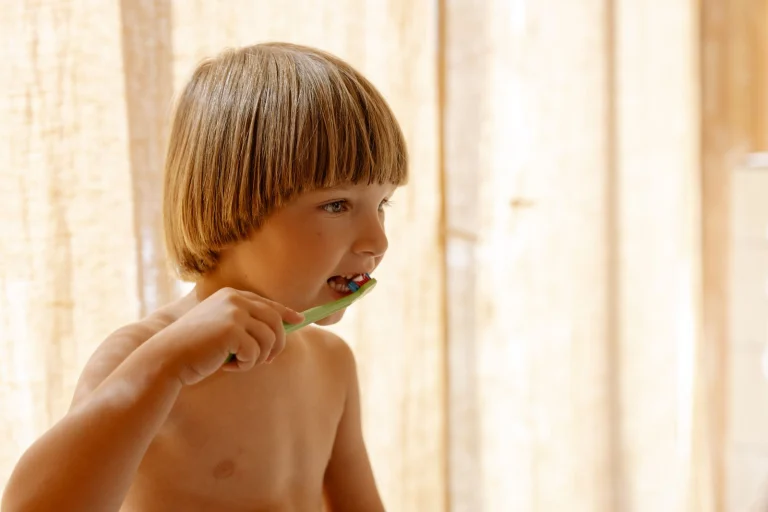
A soft-bristled toothbrush is kinder to tender gums. Brush twice a day, angling the bristles toward the gumline, where plaque collects and where pregnancy gingivitis tends to start. If brushing makes you gag, a smaller brush head and a slower pace can help.
Keep cleaning between your teeth
It is tempting to skip floss when your gums bleed, but plaque left between the teeth is what keeps them inflamed. Floss gently every day. If string floss is hard to manage right now, a water flosser or floss picks can make it easier to keep going. We compare the options in why a water flosser might be a good idea and are floss picks as good as regular dental floss?
After morning sickness, rinse before you brush
Brushing straight after being sick scrubs enamel that acid has just softened. Instead, rinse your mouth with water, or with a little baking soda dissolved in water, to help neutralize the acid. Then wait a while before you brush.
Snack with your teeth in mind
You do not need to fight every craving. It helps to have sweet snacks with meals rather than grazing all day, to choose water over sugary drinks, and to rinse with water after sticky or sugary foods. Sticky sweets are a particular problem, as we explain in why do gummy bears hurt my teeth?
Plan your dental visits around your pregnancy
If you are planning a pregnancy
If you are thinking about starting or growing your family, a cleaning and exam beforehand is a sensible step. It gives Dr. Haywood the chance to find and treat cavities or gum problems before pregnancy, when there are fewer timing questions to think through.
During pregnancy
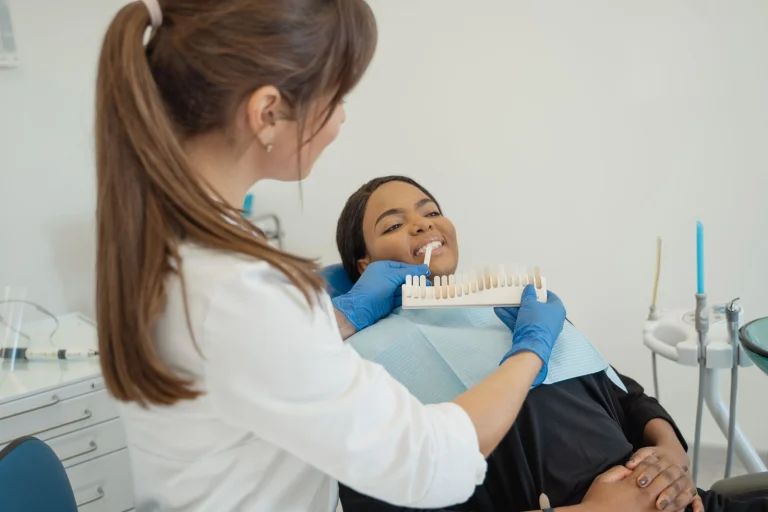
Keep your regular checkup and cleaning schedule unless your dentist or physician advises otherwise. The practice recommends a professional cleaning every six months, and cleaning appointments here last a full 60 minutes, which leaves time to clean carefully around tender gums. If lying back for a long appointment becomes uncomfortable later in pregnancy, tell the team when you book.
After the baby arrives
The months after birth are busy, and dental visits are easy to forget. Book your next checkup before life gets hectic, especially if you had bleeding gums or put off any treatment during pregnancy.
Signs you should call the dentist during pregnancy
Don’t wait for your next routine visit if you notice:
- Gums that are swollen, very sore or bleeding heavily, or pus around the gumline
- A toothache, or a tooth that stays sensitive to biting, heat or cold
- Swelling in your face, jaw or gums
- A broken or cracked tooth, or a lost filling
- A sore, lump or patch in your mouth that does not heal
Call the office at (410) 453-9399, early in the day if you can. For a toothache with facial swelling, call right away: a dental abscess can spread, which is why prompt treatment matters. Read more about the signs of an oral infection and emergency dental care. If you have a fever, trouble swallowing or breathing, or feel unwell, contact your physician or seek emergency medical care.
Why healthy gums matter for your overall health
The health of your gums has been linked to serious health risks such as diabetes and cardiac disease, which is one more reason to take gum inflammation seriously. Signs of gum disease include sore, swollen or bleeding gums, receding gums, bad breath and tooth sensitivity. On their own these don’t always mean gum disease, but they are worth an exam. Gum disease treatment at the practice is non-surgical, removing the bacteria beneath the gums with a plan personalized to you. Learn more about gum disease treatment, or read bleeding gums after your 6-month cleaning?
A calm, comfortable office
If dental visits make you anxious, pregnancy can make that feel harder. Tell the team: understanding your concerns helps them plan your visit around them. The Timonium office is a warm, spa-inspired space with paraffin wax hand treatments, and every treatment room is cleaned and sterilized after each patient. For more on everyday care, see general dentistry in Timonium and the case for preventive dentistry.
Paying for your dental care
The practice is out of network with all dental insurance companies: you pay at the time of your visit, and the office files the claim on your behalf so your plan can reimburse you for what it covers. Health savings and flex plans are welcome, and financing is available through CareCredit, with no-interest options for up to 12 months, and Cherry, with payment plans from 3 to 24 months. See financing options.
Frequently asked questions
Can I get my teeth cleaned while pregnant?
For most people, yes. Routine cleanings help control the gum inflammation many people notice during pregnancy. Tell the team you are pregnant, and check with your physician if your pregnancy has any special considerations.
Why do my gums bleed more now that I am pregnant?
Pregnancy hormones can make gums react more strongly to plaque, so they bleed more easily. Keep brushing and flossing gently, and have your gums checked if the bleeding is heavy, painful or doesn’t improve.
How can I relieve tooth pain while pregnant?
Call your dentist rather than waiting it out, because pain can be a sign of decay or infection. Ask your physician before taking any pain medication, even one you used before pregnancy.
Should I brush right after morning sickness?
It is better to rinse first with water or a baking soda and water rinse, then wait a while before brushing, so you are not brushing enamel that stomach acid has softened.
Should I postpone cosmetic dental work?
Elective treatment is worth discussing with both your dentist and your physician. Dr. Haywood can explain which care is needed now and which can reasonably wait.
Book a checkup in Timonium
If you are pregnant or planning a pregnancy and want your teeth and gums checked, request an appointment or call (410) 453-9399. The office of Dr. Steven W. Haywood, DDS is at 108 W Timonium Rd, Ste 200, Timonium, MD 21093, and new patients are always welcome.
Ready to see your future smile?
Pregnant or planning a pregnancy? Book a checkup with Dr. Haywood in Timonium.