Your natural teeth are irreplaceable. Enamel does not grow back, and gum disease is the leading cause of tooth loss in adults. The dental work you have invested in, from fillings and crowns to veneers, bonding and implants, needs care too. Preventative maintenance is how you protect all of it: regular professional cleanings and exams, good daily habits, and protection against the wear and damage that build up quietly over time. At the Timonium office of Dr. Steven W. Haywood, DDS, that maintenance is planned around your natural teeth and the work already in your mouth.
This guide explains why so many dental problems go unnoticed, what a preventative maintenance visit includes, how to look after cosmetic and restorative work, and a simple season-by-season checklist.
Why your smile needs maintenance, even when nothing hurts
Many dental problems advance silently. Early decay often causes no pain, gum infection can progress without obvious symptoms, and an abscess does not always hurt right away. By the time something aches, a small fix may have become a bigger one. Skipping visits because nothing feels wrong is the dental version of skipping oil changes because the car still starts.
Your gums matter beyond your mouth, too. Their health has been linked directly to serious health risks such as diabetes and cardiac disease. Ask about the “oral systemic connection” at your visit.
What a preventative maintenance visit includes
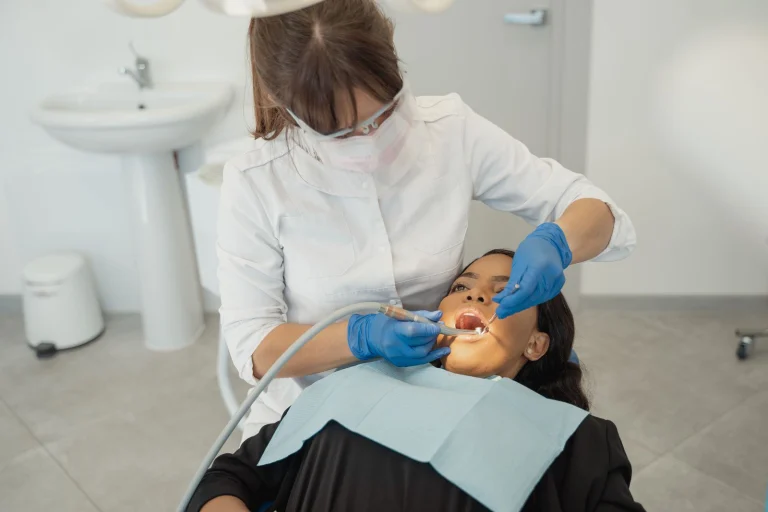
- A thorough cleaning. Cleaning appointments at the practice last a full 60 minutes, so plaque and tartar that brushing and flossing miss can be removed properly, and your hygienist can check the health of your gums. A professional cleaning every six months is recommended.
- An exam of teeth, gums and bite. Dr. Haywood checks for decay, gum problems and signs of bite issues such as TMJ disorder or grinding.
- Digital X-rays and cameras. Images appear on screen right away with less radiation than standard dental X-rays, and intraoral cameras let you see what the team sees.
- Early decay detection. DIAGNOdent can find small amounts of decay at the earliest stages, sometimes before it shows on an X-ray.
- An oral cancer screening. The quick, pain-free screening is part of your regular check-up, and the practice recommends that all patients over eighteen be screened every year. See oral cancer screening.
For the full picture, read about dental cleanings and preventive care and why you need cleanings even if you brush and floss.
Maintaining cosmetic and restorative work
Dental work is durable, but it is not maintenance-free. Each type has its own care.
Porcelain veneers
With appropriate home care and professional care, veneers can last for decades, and the way you care for your smile is the best predictor of how long it lasts. Bite protection is recommended for any cosmetic treatment, and teeth should never be used to open objects or cut things. Veneers carry a one-year warranty. See dental veneers.
Dental bonding
Composite resin can stain and is not as strong as enamel. Brush or at least rinse well with water after cola, coffee, tea or red wine, and avoid biting hard objects or opening cans and bottles with your teeth.
Whitened teeth
To keep a brighter shade, minimize staining foods and whiten your teeth routinely. Your regular visits are a good time to ask how your shade is holding up.
Fillings and crowns
Over time, fillings can wear away, fracture or fall out, and a filling that is worn at the edges or pulling away can let decay develop underneath it. Checking restorations at every visit catches that early. Discomfort when chewing on a filled tooth is often caused by tiny cracks, which a crown can relieve.
Dental implants
Implants do not decay, but the gums and bone around them still need care. Regular cleaning and checkups are part of keeping an implant healthy for the long term.
Protect your teeth from grinding
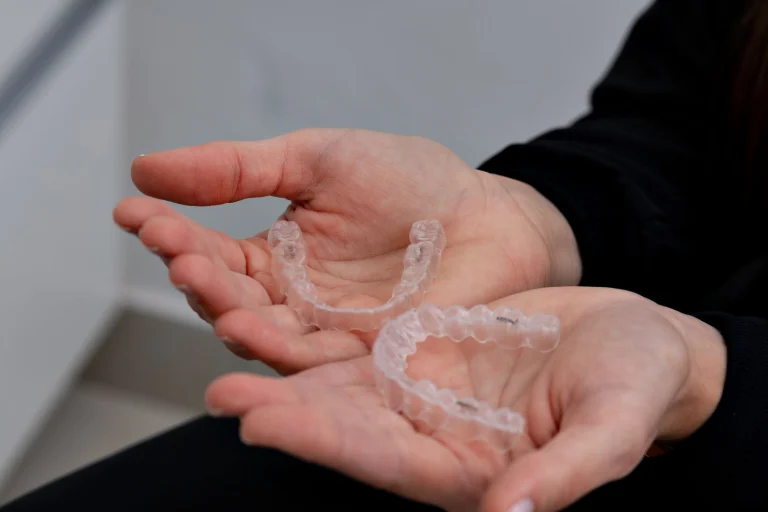
Grinding slowly wears down and cracks enamel, often without you noticing. Uncontrolled grinding destroys comfort, health and appearance as we age, and untreated grinding wear can be very costly to repair. Every style of guard at the practice is comfortable, clear and custom-made for you. If you have porcelain veneers or other cosmetic work, a guard helps protect that investment as well.
A seasonal smile maintenance checklist
Tying dental habits to the calendar makes them easier to keep.
Autumn
- Book your fall cleaning before the holiday rush.
- If your flex spending plan resets at the end of the year, look at what treatment you have planned. Staging treatment can help if you use a flex spending account.
- Go easy on sticky seasonal candy, and rinse with water afterward.
Winter
- Holiday snacking means more frequent sugar. Keep treats to mealtimes.
- Notice new sensitivity to cold air or drinks, and mention it at your visit.
Spring
- Book your six-month cleaning.
- If anyone in the family plays contact sports, wear a mouthguard.
Summer
- Sports drinks and sodas are hard on enamel; make water the default.
- Planning photos or an event? Whitening and small cosmetic touch-ups fit well before a busy season.
For how snacks and drinks affect teeth year-round, read are all carbs created equal for your teeth?
Preventative dentistry near Baltimore
Patients come to the Timonium office for preventive care from Towson, Hunt Valley, Pikesville, Baltimore and Shrewsbury, PA. Care stays in one place: cleanings, gum care, fillings, crowns, cosmetic work and implants are all provided in the same office, so the people maintaining your smile know the work that is already in it. Explore general dentistry in Timonium and cosmetic dentistry, or read the case for preventive dentistry.
Paying for preventative maintenance
The practice is out of network with insurance companies: you pay at the time of service, and the office files the claim on your behalf so your plan can reimburse you for anything it covers. Health savings and flex plans are welcome. Financing is available through CareCredit, with no-interest options for up to 12 months, and Cherry, with plans from 3 to 24 months.
Frequently asked questions
How often should I have a cleaning and exam?
A professional cleaning every six months is recommended. If you are being treated for gum disease, your hygienist may suggest a different schedule.
Can I skip a visit if nothing hurts?
It is risky. Decay and gum infection often progress without pain, and they are easier to treat when found early.
Do veneers and crowns need special care?
They need good home care, regular professional visits and protection from grinding. Bite protection is recommended for any cosmetic treatment.
What if it has been years since my last cleaning?
You are welcome back. Your first visit starts with a conversation, and treatment is paced around your needs. Laughing gas is complimentary on request if you are nervous.
Schedule preventative maintenance in Timonium
Protect the smile you cannot replace. Request an appointment or call (410) 453-9399. The office of Dr. Steven W. Haywood, DDS is at 108 W Timonium Rd, Ste 200, Timonium, MD 21093. New patients can complete their forms online before the first visit to save time.
Don’t wait for your next scheduled cleaning if you notice a warning sign. Bleeding, swollen or receding gums, bad breath, a tooth that hurts when you chew, or a chipped veneer or loose filling are all reasons to call sooner. Bleeding gums in particular can be a sign of gum infection, which is easier to manage and control when it is caught early; read about gum disease treatment.
Ready to see your future smile?
Schedule preventative maintenance for your smile at the Timonium office.