Dental anxiety is often not about the dentist in general but about one procedure: the root canal you have just been told you need, a tooth that has to come out, or a crown that means drilling and impressions. The most reliable way to relieve that anxiety is to find out exactly what the procedure involves, tell the team what worries you, and use the comfort options that suit that particular treatment, from gentler technology to complimentary laughing gas, oral conscious sedation or IV sedation.
This guide from the Timonium office of Dr. Steven W. Haywood, DDS goes procedure by procedure: what each one involves, what tends to worry people about it, and what helps. For the sedation options themselves, see sedation dentistry in Timonium.
Why one procedure can feel scarier than a checkup
A checkup is familiar. A procedure is not. You may have heard stories from friends, read something alarming online, or remember a difficult treatment years ago. The name of the procedure alone can be enough: “root canal” and “extraction” carry reputations that have little to do with how the treatment is actually done.
Anxiety about a specific procedure also has practical sides. People worry about time off work, about needing several visits, about whether the tooth can be saved at all and about what it will cost. Each of those worries has an answer, and getting the answers before the day is one of the best ways to take the fear out of it.
How Dr. Steven Haywood relieves dental anxiety
Dr. Haywood has over 35 years of experience and trained through a U.S. Air Force advanced residency with internships including oral surgery, endodontics, orthodontics, pediatric dentistry and oral facial prosthodontics. That breadth means many procedures are handled in the same Timonium office, by a team you already know, rather than sending you somewhere new.
The approach for anxious patients is straightforward:
- A conversation first. Before anything begins, the team walks you through what needs doing, what can safely wait and what it costs.
- No pressure. Consultations are relaxed and no-pressure, so you can take time to decide.
- You are never rushed. Appointments are scheduled with room to breathe.
- Familiar faces. You see the same familiar faces at every visit, so you never have to explain yourself twice.
- See what the dentist sees. Digital X-rays appear immediately on a screen in the room, and intraoral cameras zoom in on each area, so Dr. Haywood can point out the problem and explain your options.
Procedure by procedure: what it involves and what helps
Fillings
What worries people: the drill’s sound and vibration, and the numbing injection.
What it involves here: the practice is mercury-free, so fillings are tooth-colored composite, mixed at the time of treatment to match your teeth, bonded in place and completed in a single visit. DIAGNOdent laser detection can find decay at the earliest stages, often before discomfort develops, which can mean a smaller filling.
What helps: air abrasion removes small areas of decay quickly and quietly, with no heat, pressure or vibration, and a gentle filling process provided by micro-air technology is available for people of all ages. If you were numbed, avoid chewing and hot drinks until the numbness wears off, and expect some hot, cold or pressure sensitivity for a while, which is normal.
Root canals
What worries people: pain, and needing more than one visit.
What it involves here: root canal therapy removes infection from inside the tooth to save it. The tooth is numbed and may be isolated with a rubber dam. Depending on how severe the infection is, treatment can take two or more appointments, with a temporary filling in between, and the tooth is finished with a porcelain crown.
What helps: knowing that treatment removes the cause of the toothache and relieves infection symptoms. Some discomfort for several days afterward is normal, especially when chewing. Read a step-by-step guide to calming root canal fears.
Tooth extractions
What worries people: pressure, the sounds, and what the gap will mean afterward.
What it involves here: with modern dentistry, extractions are quite rare, and all available options are discussed before one is recommended. When a tooth does need to come out, it is gently separated from the ligament that holds it and removed from the socket, and everything possible is done to keep you comfortable.
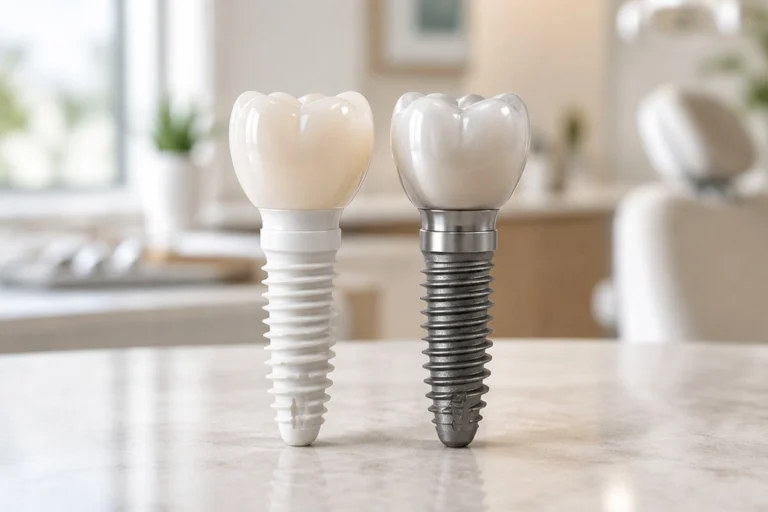
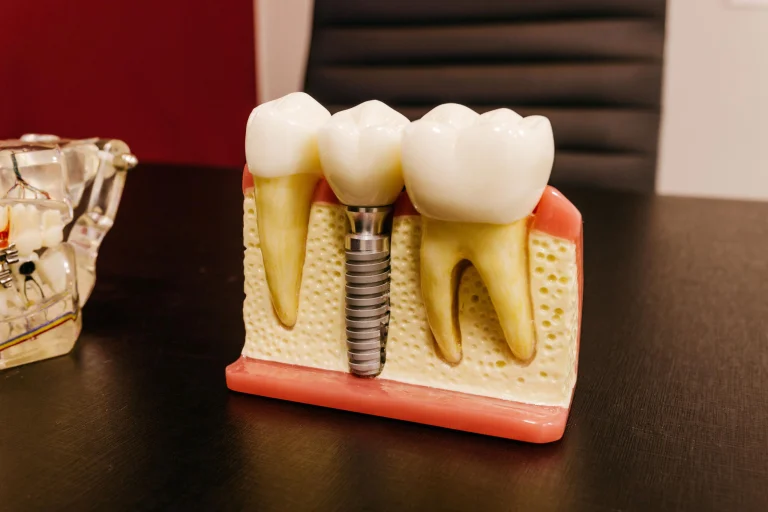
What helps: sedation is available, and afterward Dr. Haywood meets with you to talk through options for filling the gap, such as an implant, a bridge or dentures. See tooth extractions in Timonium.
Crowns
What worries people: tooth preparation, and gagging during impressions.
What it involves here: crowns are usually completed in two appointments. At the first, the tooth is prepared, an impression is taken and a temporary crown is placed. At the second, the permanent porcelain crown is checked for fit, bonded and polished. When a more conservative option such as a filling or a bonded onlay will work, that is recommended first.
What helps: if impressions make you gag, say so. The practice’s iTero Element scanner creates a 3D image of your teeth in about 2½ minutes, with less tendency toward gagging. Learn more about dental crowns.
Deep cleanings for gum disease
What worries people: sore gums and a long appointment.
What it involves here: scaling and root planing is usually done in sections, with the teeth and gums numbed first. Some sensitivity and soreness afterward is normal. Experienced hygienists take the lead, and laser technology makes periodontal therapies less invasive and more comfortable.
What helps: breaking the work into sections keeps each visit shorter. Read about gum disease treatment.
Dental implants
What worries people: the word “surgery.”
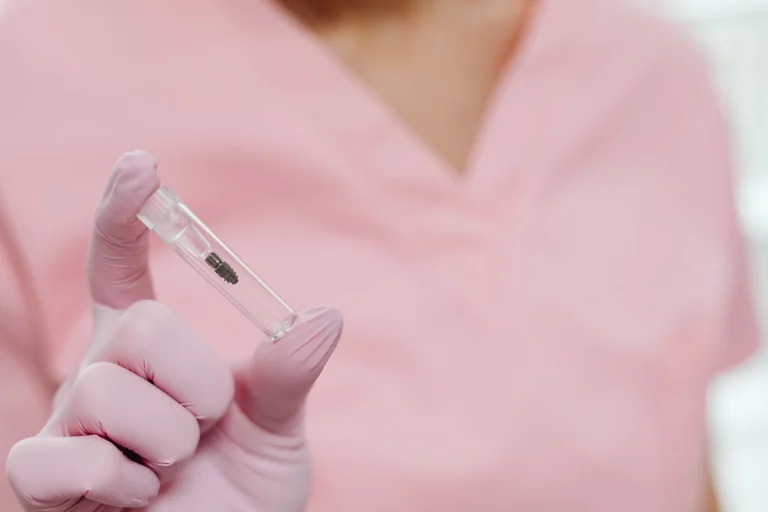
What it involves here: Dr. Haywood places and restores implants in the office, and treatment is planned from a CBCT 3D scan that maps your jaw before any implant plan is made.
What helps: a detailed plan you can see in advance, and IV sedation for lengthier or more complex treatment, with local anesthesiologists when needed.
Matching sedation to the procedure
- Laughing gas: complimentary, breathed through a nasal mask, works within seconds and is adjusted throughout. You can drive yourself home, which suits shorter procedures and busy days.
- Oral conscious sedation: a pill taken about an hour before your appointment. You stay conscious but calm; the effects last several hours, so you need a ride.
- IV sedation: deep conscious sedation for lengthier or more complex treatment, with local anesthesiologists when needed.
Which one fits depends on you and on the treatment. Compare them in the benefits of sedation dentistry.
Questions to ask before your procedure
- What exactly will happen, step by step?
- How many visits will it take, and how long is each one?
- What are my other options, including doing nothing for now?
- Which sedation option would suit this treatment?
- What will it cost, and how can I pay for it?
- What should I expect afterward, and when should I call?
For a broader look at how the office supports nervous patients, read comfortable Timonium dental care for anxious patients.
Paying for your treatment
The practice is out of network with all dental insurance companies. You pay at the time of your visit, and the office files the claim on your behalf so your plan can reimburse you for what it covers. Health savings and flex plans are welcome. Financing is available through CareCredit, with no-interest options for up to 12 months, and Cherry, with payment plans from 3 to 24 months. See financing options.
Frequently asked questions
Is Dr. Haywood accepting new patients?
Yes. New patients are always welcome. Call (410) 453-9399 or request an appointment online.
Can I talk to Dr. Haywood before deciding on treatment?
Yes. Start with a relaxed, no-pressure consultation, ask your questions, and decide when you are ready.
Will I feel pain during a root canal?
The tooth is numbed before treatment begins, and treatment removes the cause of the infection pain. Some discomfort for several days afterward is normal, especially when chewing.
Which sedation lets me drive home afterward?
Laughing gas. You should feel fully alert right after treatment. After oral conscious sedation, you need someone to drive you.
Talk through your procedure with Dr. Haywood
If worry about a specific procedure has you putting off care, the first step is simply a conversation. Request an appointment or call (410) 453-9399. The office of Dr. Steven W. Haywood, DDS is at 108 W Timonium Rd, Ste 200, Timonium, MD 21093, serving Timonium, Towson, Pikesville and Baltimore.
Ready to see your future smile?
Talk through your procedure and your comfort options with Dr. Haywood in Timonium.