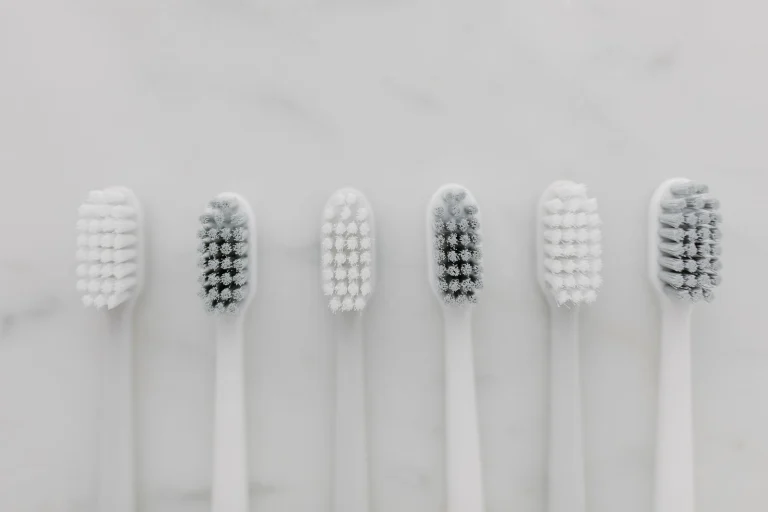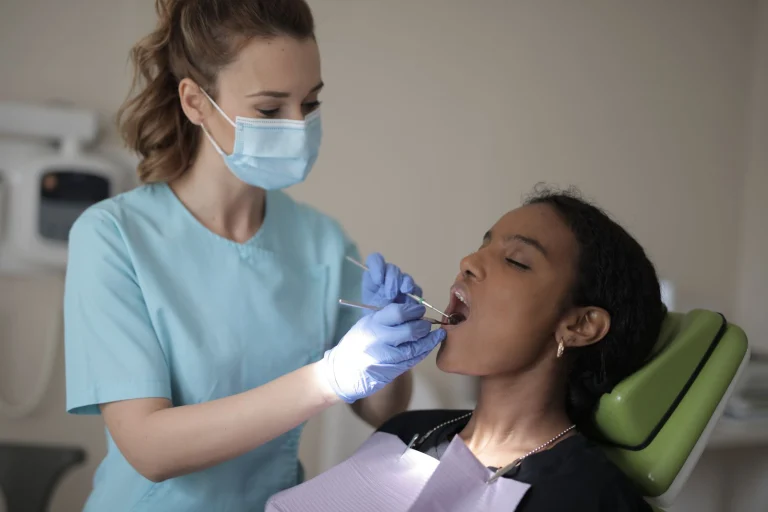

Most bad breath starts in the mouth. Bacteria break down food particles, dead cells and plaque on the teeth, the gums and especially the back of the tongue, and in the process they release sulfur compounds that smell unpleasant. Dry mouth, gum disease, tooth decay, certain foods and tobacco can all make it worse. Treating halitosis means finding the cause: better cleaning habits fix many cases, and breath that stays bad despite good home care is a reason to see a dentist.
If you are looking for halitosis treatment near Baltimore, this guide explains the common causes of bad breath, what you can do at home, when it may point to a dental or medical problem, and how the Timonium office of Dr. Steven W. Haywood, DDS can help find what is behind it.
What causes bad breath?
Bacteria, food and plaque
The most common cause is simply what stays behind in the mouth. Small food fragments on the teeth, gums and tongue feed bacteria, and the waste the bacteria produce, along with decaying food, creates the sulfur compounds behind the odor. That is why breath is often worse first thing in the morning and in the middle of the day, after meals you couldn’t brush after.
The tongue
The back of the tongue has a rough surface that holds bacteria and debris, and it is easy to skip when brushing. For many people it is a major source of bad breath.
Dry mouth
Saliva washes away food and bacteria and helps keep the mouth fresh. When saliva flow drops, as it does overnight, with mouth breathing, or as a side effect of many medications, odor builds more easily. Dry mouth matters for more than breath: according to the practice, medications and dry mouth can also set the stage for root decay.
Gum disease
Bad breath that doesn’t go away is one of the signs of gum disease. Bacteria collect in the pockets that form between inflamed gums and teeth, where a toothbrush can’t reach. As the practice puts it, bleeding or receding gums, bad breath and deep pockets in the gums point to infection. See the warning signs of gum disease.
Decay, infection and dental work
Cavities, an infected tooth, worn fillings or crowns with gaps at the edges, and hard-to-clean bridges or appliances can all trap bacteria and food. A tooth infection can also leave a bad taste in the mouth.
Food, drink and tobacco
Garlic, onions, coffee and alcohol can all affect your breath. Smoking and vaping can dry the mouth and leave their own odor, and tobacco use is a known risk factor for gum disease. Read how smoking and vaping affect your mouth.
Causes outside the mouth
Less often, bad breath comes from somewhere else: tonsil stones, sinus or throat infections, acid reflux, or certain medical conditions. If a dental exam finds no cause in your mouth, your physician is the next step.
What helps at home
- Brush gently for about two minutes, twice a day, paying attention to the gumline. See smart brushing vs. aggressive brushing.
- Clean your tongue with your toothbrush or a tongue scraper, working from back to front.
- Clean between your teeth every day. Food trapped between teeth is a common source of odor. Compare floss picks and regular floss, or read about water flossers and tonsil stones.
- Drink water through the day to keep your mouth moist, and rinse with water after meals when you can’t brush.
- Chew sugar-free gum or mints to encourage saliva. The practice notes that xylitol mints also help reduce decay risk.
- Clean dentures and appliances. When you take a denture out at bedtime, clean it with a brush and soak it as instructed.
- Cut back on tobacco, and notice whether particular foods or drinks affect your breath.
Why mouthwash alone isn’t a fix
A mouth rinse can freshen breath for a while, but it doesn’t remove plaque, tartar or the bacteria living in gum pockets. If you find yourself relying on mints or rinse all day, it is worth finding out what is causing the odor instead of covering it up.
When bad breath needs a dentist
See a dentist if:
- Bad breath or a bad taste lasts despite good brushing, flossing and tongue cleaning
- Your gums bleed, look swollen or are receding
- A tooth hurts, feels loose or is sensitive
- Your mouth feels dry most of the time
- Someone close to you has mentioned it more than once
How halitosis is evaluated and treated in Timonium
There is no single halitosis treatment, because the right approach depends on the cause. At Dr. Haywood’s practice, a visit looks for the dental sources of chronic bad breath:
- A conversation. Dr. Haywood asks about your diet, medications and habits, from sugar and acidic foods to tobacco and alcohol, because each one affects your oral and overall health.
- A thorough cleaning. Cleaning appointments last a full 60 minutes, which gives the hygienist time to remove plaque and tartar thoroughly and to check your gums.
- A check for gum disease and decay. Careful gum measurements, digital X-rays, intraoral cameras and DIAGNOdent laser detection help find gum pockets, decay and infection.
- Treating what is found. If gum disease is the cause, care is non-surgical: scaling and root planing removes harmful bacteria from beneath the gums, and oral DNA testing can identify which of the 11 most suspected periodontal pathogens are present. For patients who prefer a holistic approach, laser and ozone therapy clear bacteria and infection from the gums without chemicals. Decay is treated with tooth-colored, mercury-free fillings.
If no dental cause is found, you’ll know it is worth raising with your physician. Learn more about gum disease treatment, holistic dentistry and preventive cleanings.
Paying for your visit
The practice is out of network with all dental insurance providers. You pay at the time of your visit, and the office files the claim on your behalf so your plan can reimburse you for whatever it covers. Health savings and flex plans are welcome, and financing is available through CareCredit, with no-interest options for up to 12 months, and Cherry, with plans from 3 to 24 months. See financing options.
Frequently asked questions
Can halitosis be cured?
When bad breath comes from a cause that can be treated, such as plaque buildup, gum disease or decay, treating that cause and keeping up good home care is the way to improve it. Gum disease itself can be managed and controlled but not completely cured, so ongoing maintenance matters. Bad breath from a medical cause needs your physician.
Why is my breath bad even though I brush?
Common reasons include bacteria on the back of the tongue, food trapped between teeth, dry mouth, and gum pockets that a toothbrush can’t reach. A dental exam can show which applies to you.
Can gum disease cause bad breath?
Yes. Persistent bad breath is one of the signs of gum disease, along with bleeding, swollen or receding gums.
Where can I get halitosis treatment near Baltimore?
The office of Dr. Steven W. Haywood, DDS is in Timonium, north of Baltimore, and serves patients from Timonium, Towson, Pikesville, Baltimore and the surrounding communities.
Get to the bottom of bad breath in Timonium
If your breath hasn’t improved with better home care, have it checked. Request an appointment or call (410) 453-9399. The office of Dr. Steven W. Haywood, DDS is at 108 W Timonium Rd, Ste 200, Timonium, MD 21093. New patients are always welcome. Learn more about general dentistry in Timonium.
Ready to see your future smile?
Bad breath that won't go away? Book an exam and cleaning in Timonium to find the cause.