
The signs of oral cancer can include a sore in the mouth that doesn’t heal, a red or white patch, a lump or thickened area, unexplained bleeding or numbness, a persistent sore throat or hoarseness, and trouble chewing, swallowing or moving your tongue or jaw. Early oral cancer often causes no pain, so these changes are easy to dismiss. Most of them turn out to have other, harmless causes, but any change that doesn’t go away deserves a prompt evaluation rather than a wait-and-see approach.
This article describes the signs and symptoms to watch for, explains why they are easy to overlook, and outlines when to call and what happens next at the Timonium office of Dr. Steven W. Haywood, DDS. It is general information, not a diagnosis. If you have a symptom that worries you, please call and have it checked.
What is oral cancer?
Oral cancer is a general term for cancers that develop in the mouth and nearby areas, including the lips, tongue, the insides of the cheeks, the gums, the floor and roof of the mouth, and the back of the throat. It is a serious, life-threatening condition, and early diagnosis increases the likelihood of more successful treatment.
Why the early signs are easy to miss
- They often don’t hurt. A painless patch or sore is easy to ignore.
- They look ordinary. Early changes can resemble a canker sore, a cheek bite or irritation from dental work.
- They hide. The underside of the tongue, the floor of the mouth and the back of the throat are hard to see on your own.
- They come on slowly. Gradual changes, such as a denture that fits a little differently, don’t feel like an emergency.
Oral cancer signs and symptoms to watch for
Sores that don’t heal
Most mouth sores from a bite, burn or canker sore heal on their own fairly quickly. A sore, ulcer or rough spot that lingers, keeps coming back in the same place, or bleeds easily should be looked at.
Red or white patches
Patches that are white, red, or a mix of both on the gums, tongue, cheeks or floor of the mouth are among the changes dentists look for. They may be smooth or rough and are often painless.
Lumps, bumps or thickened areas
A lump or a spot where the tissue feels thicker or harder than the area around it, inside the mouth, on the lip or in the neck, is worth mentioning.
Bleeding, pain or numbness without a clear cause
Unexplained bleeding in the mouth, tenderness that doesn’t go away, or numbness in the tongue, lip or another area can all be signs to check.
Trouble chewing, swallowing or speaking
Difficulty chewing or swallowing, a feeling that something is caught in your throat, stiffness in the jaw or tongue, or a change in your voice can be symptoms.
A persistent sore throat or hoarseness
A sore throat or hoarseness that lingers long after a cold should have been gone is a reason to be evaluated.
Ear pain on one side
Pain in one ear without an ear infection can sometimes be related to a problem in the mouth or throat.
Changes in how your teeth or dentures fit
Teeth that loosen without a clear dental reason, or a denture that suddenly no longer fits, can be caused by changes in the tissue or bone beneath them.
Most symptoms have other causes, but don’t guess
Many of these signs are far more often caused by something else: a canker sore, an injury, an infection, gum disease or irritation from a sharp tooth or dental appliance. Loose teeth and bleeding gums, for example, are common signs of gum disease; see the five warning signs of gum disease.
The point isn’t to worry about every mouth sore. It is to notice changes that don’t resolve and have them checked instead of guessing. The existence of a symptom doesn’t mean you have oral cancer, and only a professional evaluation can tell what is causing it.
When to call the dentist
If you notice anything in your mouth that concerns you, call the office rather than waiting for your next routine visit, and the team can schedule a screening. Call especially if:
- A sore, patch or lump hasn’t gone away on its own in the time a normal sore would take to heal
- A symptom keeps coming back in the same spot
- You have unexplained numbness, bleeding or trouble swallowing
- You smoke, drink alcohol or have other risk factors and notice any change
Who is at higher risk?
Alcohol, infection, the HPV virus and smoking have all been implicated in the onset of oral cancer. Regular screenings are especially important for anyone over 40, anyone who smokes and anyone with a family history of cancer. People without these risk factors can still develop oral cancer, so symptoms matter for everyone. For more, read oral cancer risk factors you can and can’t control and how smoking and vaping affect your mouth.
How symptoms are evaluated in Timonium
A screening at your visit
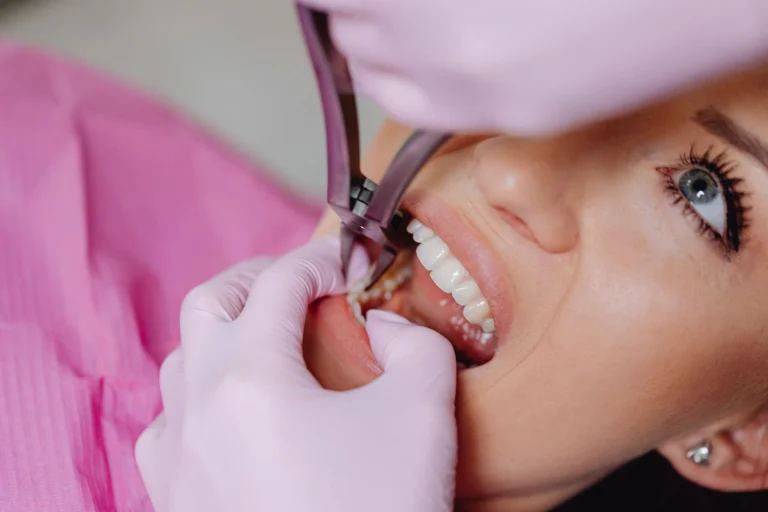
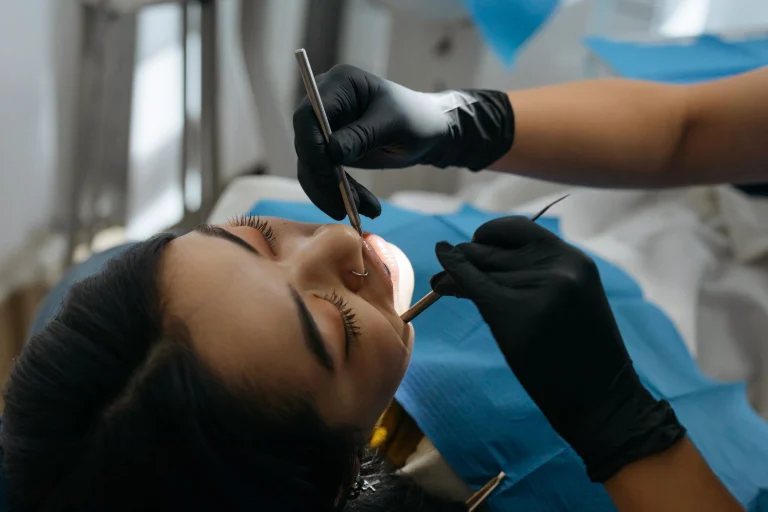
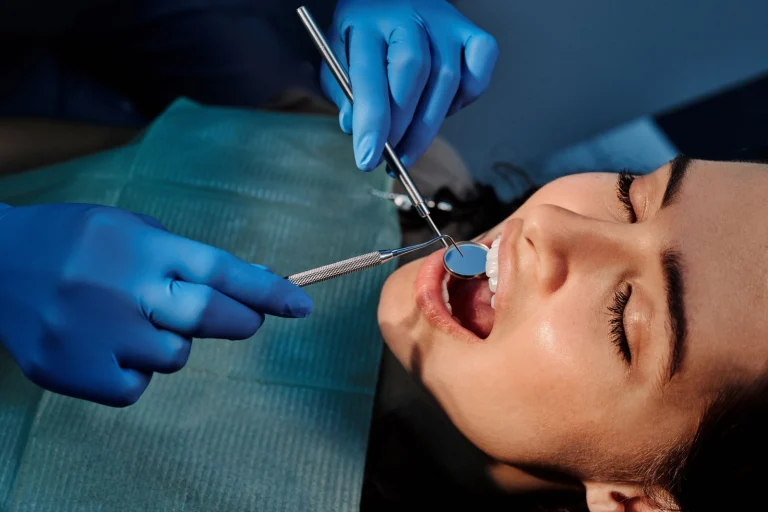
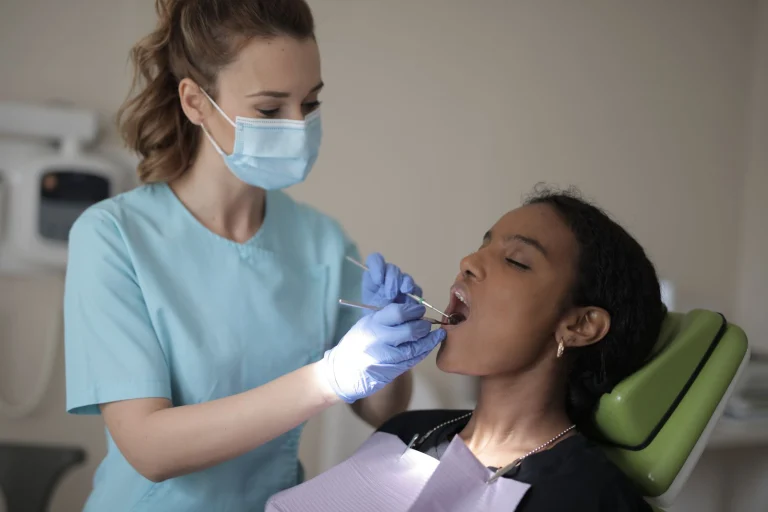
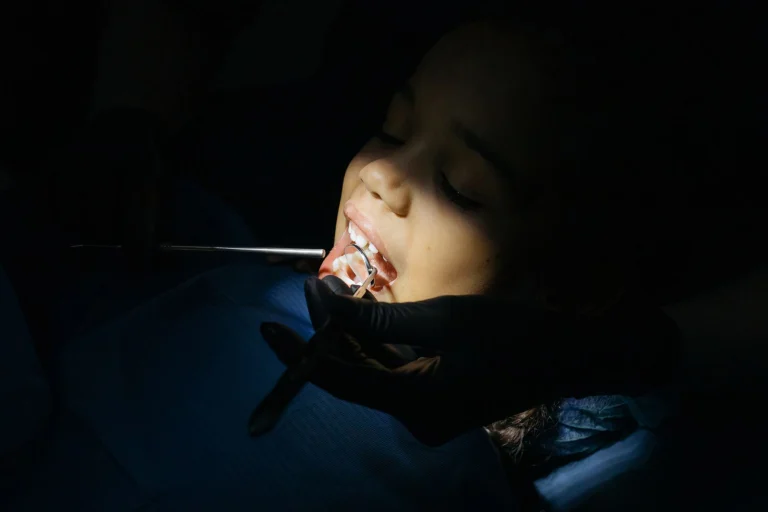
An oral cancer screening checks the soft tissues of your mouth, throat and tongue for abnormalities. It is quick and pain-free. ViziLite, a screening tool used to identify abnormal cells, helps make changes easier to see, and signs of oral cancer can be detected in as little as ten minutes. For a step-by-step look, read what happens during an oral cancer screening.
A closer look when needed
If an area needs more attention, non-surgical techniques for identifying cancer, including t-blue staining and Oral CDX cellular analysis, are available right in the office.
A clear explanation
Dr. Haywood explains what the findings mean and discusses your next steps with you, so you are not left wondering. See what screening findings mean.
Yearly screening plus self-awareness
The practice recommends that all patients over eighteen be screened once a year. Between visits, getting to know what your mouth normally looks and feels like makes it easier to spot something new. Learn how in a winning strategy: how to check your mouth for oral cancer.
Paying for your visit
The practice is out of network with all dental insurance providers. You pay at the time of your visit, and the office files the claim on your behalf so your plan can reimburse you for whatever it covers. Health savings and flex plans are welcome, and financing is available through CareCredit, with no-interest options for up to 12 months, and Cherry, with plans from 3 to 24 months. See financing options.
Frequently asked questions
What does early oral cancer look like?
Early changes can look like a sore that doesn’t heal, or a white or red patch on the gums, tongue, cheeks or floor of the mouth. They are often painless. Because many harmless conditions look similar, a professional evaluation is the only way to know.
Is oral cancer painful?
Often not in its early stages, which is one reason it can go unnoticed. Pain, numbness or tenderness can develop later. Don’t wait for pain before having a change checked.
Can a dentist tell if I have oral cancer?
A dentist can screen for signs of oral cancer and identify areas that need a closer look. A screening doesn’t diagnose cancer on its own; it shows whether further evaluation is needed.
I found a sore in my mouth. What should I do?
If it came from a bite or burn and is healing, keep an eye on it. If it lingers, keeps returning or you are unsure, call the office and ask for a screening rather than waiting for your next routine visit.
Noticed a change? Have it checked in Timonium
Peace of mind starts with a quick evaluation. Request an appointment or call (410) 453-9399. The office of Dr. Steven W. Haywood, DDS is at 108 W Timonium Rd, Ste 200, Timonium, MD 21093, serving Timonium, Towson, Pikesville, Baltimore and the surrounding communities. Learn more about oral cancer screening in Timonium.
Ready to see your future smile?
Noticed a sore, patch or lump that won't go away? Call to have it checked in Timonium.