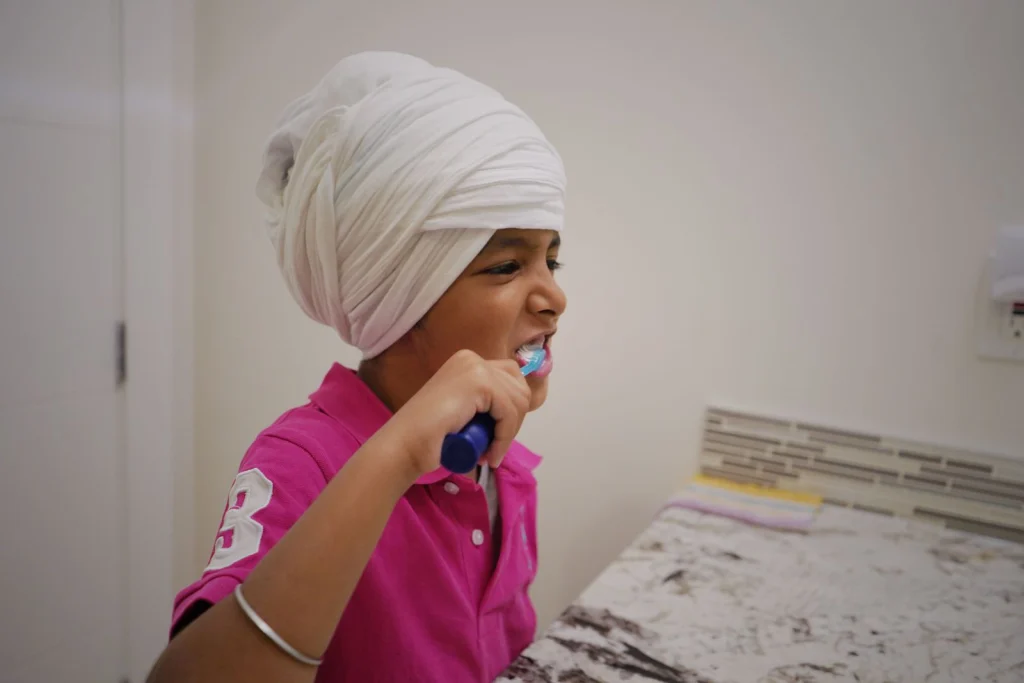
When brushing is a battle, the goal is to make toothbrushing short, predictable and a little less about control. Most toddlers and preschoolers resist because of the taste or foam of the toothpaste, the feel of the bristles, being tired at bedtime or simply wanting to do it themselves. Offering small choices, changing position, using very little toothpaste, letting your child brush first before you finish, and praising effort usually calms things down over time. Baby teeth are worth the effort, so keep going even on the hard nights.
This guide from the Timonium office of Dr. Steven W. Haywood, DDS shares practical tips for parents, how to choose a toothbrush and toothpaste a child will accept, what to make of trending toothpastes such as PKE, and when a brushing fight may be a sign that something in the mouth hurts.
Why kids fight the toothbrush
- Taste and texture. Strong mint can feel “spicy” to a young child, and foam can feel strange.
- The bristles. A brush that feels scratchy, or pressure that feels too firm, can make brushing uncomfortable.
- Timing. Bedtime brushing often comes when a child is tired and has had enough for the day.
- Control. Having something put in your mouth by someone else isn’t fun, and toddlers love to say no.
- Sore spots. A new tooth coming in, a cavity or tender gums can make brushing hurt.
Tips when brushing is a battle
Pick a calmer moment
If bedtime is always a struggle, try brushing a little earlier in the evening routine, before your child is overtired. Keep the same order every night, such as bath, pajamas, brush, book, so brushing becomes an expected step rather than a surprise.
Offer small choices
Let your child choose between two toothbrushes, pick which teeth to brush first, or decide whether to brush in the bathroom or on your lap. Small choices give a sense of control without letting brushing be skipped.
Change your position
Many parents find it easier to sit down with a young child lying back with their head in the parent’s lap, which gives a clear view of the teeth. Another option is standing behind your child in front of a mirror so they can watch.
Let them go first, then you finish
Children want to brush on their own and should practice. Let your child have a turn, then take your turn to reach the spots that were missed, especially along the gumline and the back teeth.
Make it a game
Sing a favorite song, use a sand timer, brush a stuffed animal’s teeth first or count the teeth together. A little silliness goes a long way.
Brush together
Children copy what they see. Brushing your own teeth alongside your child shows that everyone in the family does it.
Keep it short, then build
If your child can only manage a quick brush right now, start there and add a little more time as the routine settles. A consistent short brush is better than a nightly standoff.
Praise the effort
Notice what went well, such as opening wide or holding still, and say so. Try not to let brushing become the most dramatic part of the day.
Choosing a toothbrush and toothpaste kids will accept
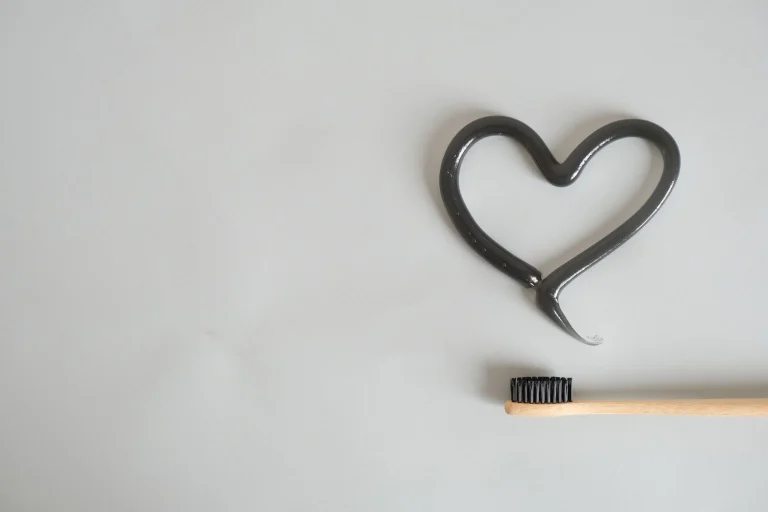
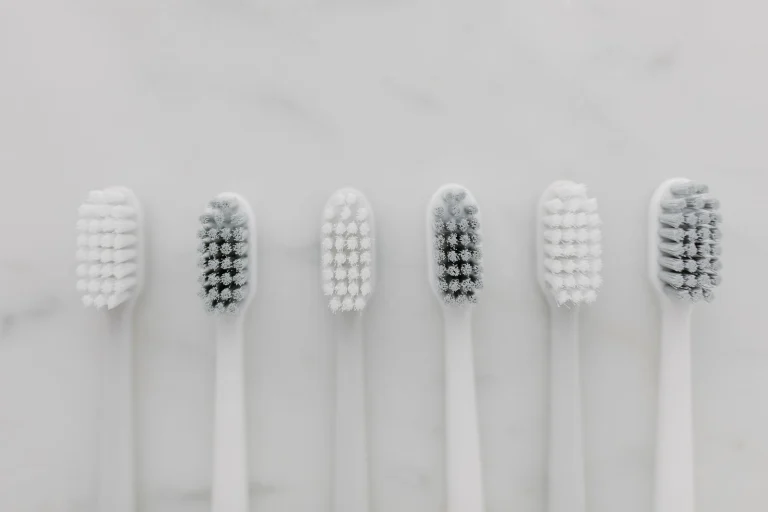
Choose a soft-bristled brush with a small head that fits your child’s mouth. Some children prefer a brush with a chunky handle they can grip. Replace it when the bristles start to splay. Read how often should I replace my toothbrush?
If toothpaste is the problem, use only a tiny amount, try a milder flavor, or brush with just water for a while. The brushing itself is what clears away food and plaque. Teach your child to spit rather than swallow. Many children’s toothpastes contain fluoride and some do not. The practice avoids fluoride and offers calcium rebuilding treatments instead, so ask the team if you have questions about which toothpaste suits your child.
What is PKE toothpaste?
PKE is a whitening toothpaste that has been sold online and promoted in social media videos. Trending toothpastes like this come and go, and the practice doesn’t review or recommend specific brands. A toothpaste marketed for whitening isn’t designed with young children’s teeth in mind, and baby teeth don’t need whitening.
How to size up any trending toothpaste
- Check who it’s made for. Look for whether the label says it is intended for children.
- Read the ingredient list. If you can’t tell what’s in it, that’s a reason to pause.
- Be wary of big whitening promises. Whitening pastes and gritty powders can be hard on enamel. Read tooth bleaching fact and fiction.
- Remember that technique matters most. A gentle, thorough brush with a soft brush does more than any paste.
- Ask at your child’s visit. The team can talk through what you’re using at home.
When a brushing battle means something hurts
If your child suddenly starts refusing to brush, or pulls away from one area, look for a reason. Call the office if you notice:
- White chalky, brown or dark spots on the teeth
- Gums that bleed, look swollen or are tender
- Complaints of pain with cold drinks or sweets
- Swelling in the gum or face
Read are childhood cavities inevitable?
Why baby teeth are worth the fight
Baby teeth help children chew, speak clearly and smile with confidence, and they hold space for the permanent teeth that follow. A cavity in a baby tooth can cause pain and infection. The habits your child builds now also carry into the years when permanent teeth arrive. Read infant and toddler teeth Q&A and how to limit sugar for kids without the battle.
How the practice helps families
Super sealants seal the chewing surfaces and pits and fissures of children’s teeth, with a lifetime warranty. Calcium rebuilding treatments help strengthen enamel for patients of all ages, and xylitol mints and lollipops help reduce decay risk. If a cavity is found, a comfortable filling process provided by micro-air technology is available for people of all ages, and laughing gas is a safe option for all ages, offered as a complimentary service. A parent or legal guardian must be present during the consultation of a patient under the age of 18. See general dentistry in Timonium and read keeping kids smiling through the school years.
Paying for your child’s care
The practice is out of network with all dental insurance providers. You pay at the time of your visit, and the office files the claim on your behalf so your plan can reimburse you for whatever it covers. Health savings and flex plans are welcome, and financing is available through CareCredit, with no-interest options for up to 12 months, and Cherry, with plans from 3 to 24 months. See financing options.
Frequently asked questions
Is it okay to brush my child’s teeth without toothpaste?
For a while, yes. The brushing itself removes food and plaque. Once your child is used to the routine, you can try reintroducing a small amount of a mild toothpaste.
Is PKE toothpaste safe for kids?
The practice doesn’t review or recommend specific brands. PKE is promoted as a whitening toothpaste, and whitening isn’t something young children’s teeth need. Bring the tube to your child’s visit if you’d like to talk it through.
My child bites the toothbrush. What can I do?
Try a brush with a smaller head, brush in shorter bursts, and ask your child to “roar like a lion” to open wide. Brushing from behind or with your child’s head in your lap can also help.
Should I hold my child still to brush?
Gentle, calm positioning, such as your child lying back in your lap, is common. If brushing feels like a wrestling match every night, try the choices and games above, and mention it at your child’s visit.
Bring your family to a dentist in Timonium
If brushing at home is a struggle, a friendly visit can check for sore spots and give your child a chance to hear the same message from someone new. Request an appointment or call (410) 453-9399. The office of Dr. Steven W. Haywood, DDS is at 108 W Timonium Rd, Ste 200, Timonium, MD 21093, caring for kids and parents from Timonium, Lutherville, Cockeysville, Towson and Hunt Valley.
Ready to see your future smile?
Brushing still a struggle? Book a friendly checkup for your child in Timonium.