Loose dentures usually mean something has changed: your gums and bone have changed shape underneath the denture, the denture itself has worn or warped, or it was never built to fit well. The fix depends on the cause. Sometimes a simple adjustment or a reline is enough. Sometimes a new, well-made denture is the better investment. And when a denture keeps slipping no matter what, implants can hold it firmly in place.
This guide explains why dentures get loose, the signs to watch for, and each of the fixes available for full and partial dentures at the Timonium, MD office of Dr. Steven W. Haywood, DDS, where patients bring problem dentures from Timonium, Cockeysville, Towson and across the Baltimore area.
Why dentures get loose
Your mouth is still healing
If your teeth were removed recently and you wear immediate dentures, loosening is expected. As the sockets heal, the gums and bone change shape and the denture gets loose, so it needs to be adjusted several times. Bone usually takes a year to heal completely after extractions.
Bone and gums change under the denture
A denture rests on the gums rather than on roots. Without roots to support, the bone underneath can deteriorate over time, and a poorly fitting denture can make things worse by causing problems with the underlying tissues and bone loss. The denture stays the same shape while the ridge beneath it changes.
The denture was never made well
Many dentures today are poorly constructed. A denture that never fit properly will not start fitting better with time, however much adhesive is used.
The denture is worn, warped or damaged
Dentures are made of acrylic, which breaks if dropped. A denture that is allowed to dry out can warp, and a warped denture no longer sits the way it was designed to.
Signs your denture needs attention
- It slips when you talk, laugh or chew, or it clicks
- Sore spots keep coming back
- Food works its way underneath more than it used to
- You rely on more adhesive to keep it in
- It rocks when you bite on one side
- A crack, chip or a change in how it sits after a fall
Fix 1: an adjustment for sore spots and rubbing
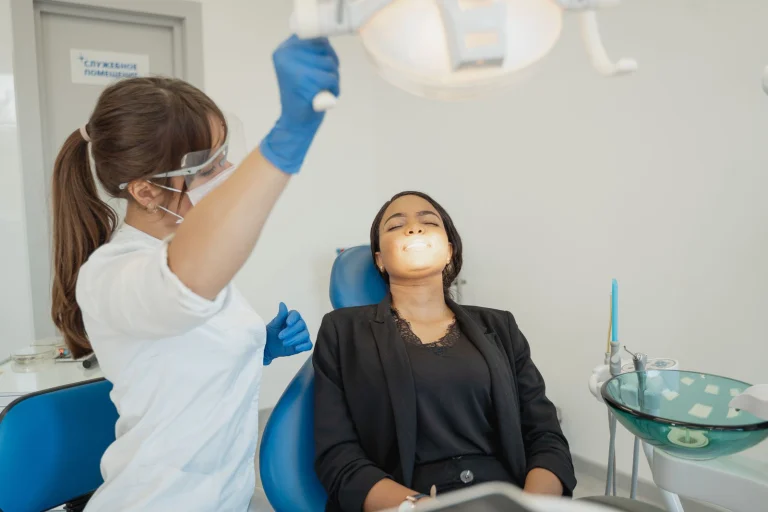
Many fit problems start small. Sore spots can be adjusted at the office. Wear your denture regularly before the visit, even if it is uncomfortable, so the dentist can find exactly where it rubs.
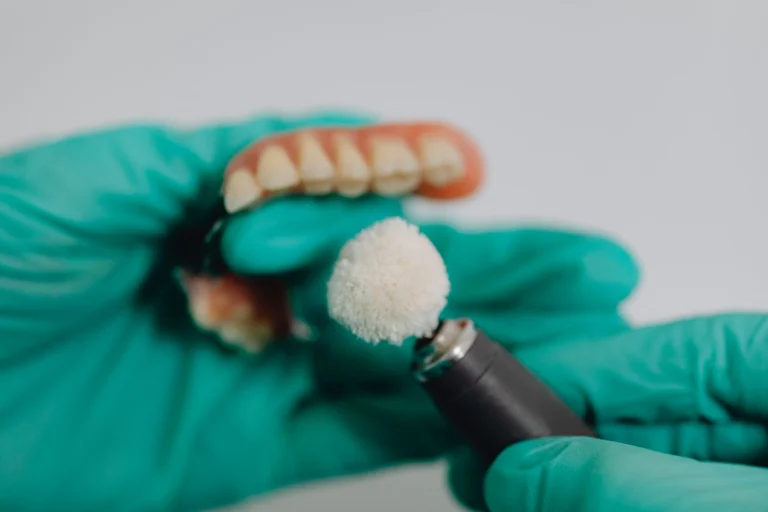
Fix 2: a reline to refit the denture
A reline reshapes the fitting surface of a denture to match your gums as they are now. With immediate dentures, the practice relines the denture in-house at the end of 3 months to make it fit tighter. At the end of a year, once the bone has healed, the denture is sent for a lab reline. That is usually done within a day, so plan to take the day off. Transitional dentures are meant for the healing period, and permanent dentures may be recommended afterward.
Fix 3: a new denture made to fit
If a denture was poorly made, relining it may only postpone the problem. Bring in your problem dentures. Solving them takes experience and skill in what has become a dying art. At the practice, new dentures are made with the branching technique, which isn’t taught in dental schools and which Dr. Haywood learned from Dr. Jack Turbyfill, using the best teeth, the best plastics and lab technicians personally trained by Dr. Turbyfill. Dr. Haywood is specially trained in prosthodontics, and the practice takes its time with every step so your dentures look natural, function well and fit comfortably.
Fix 4: anchor the denture with implants
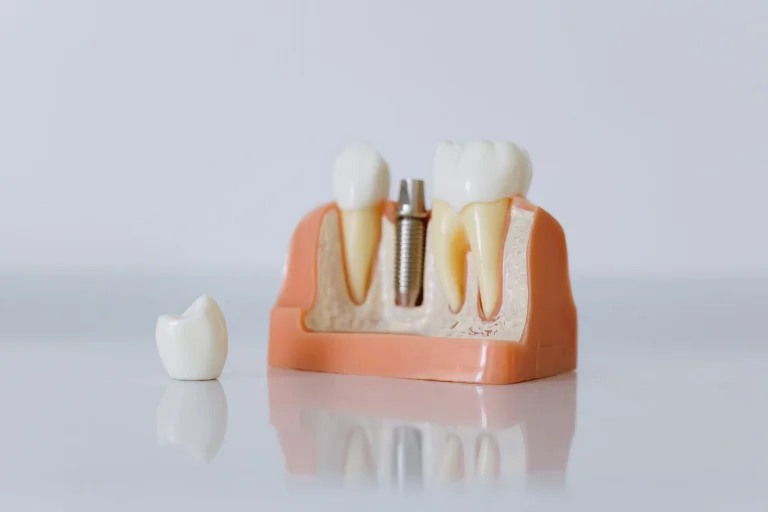
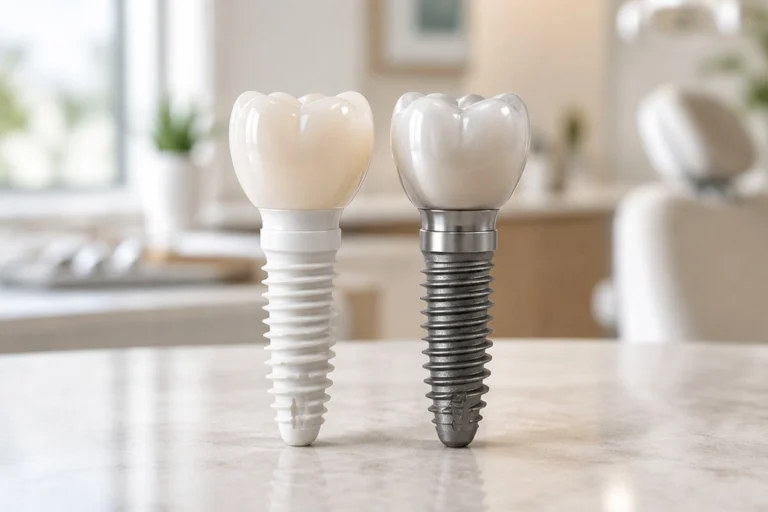
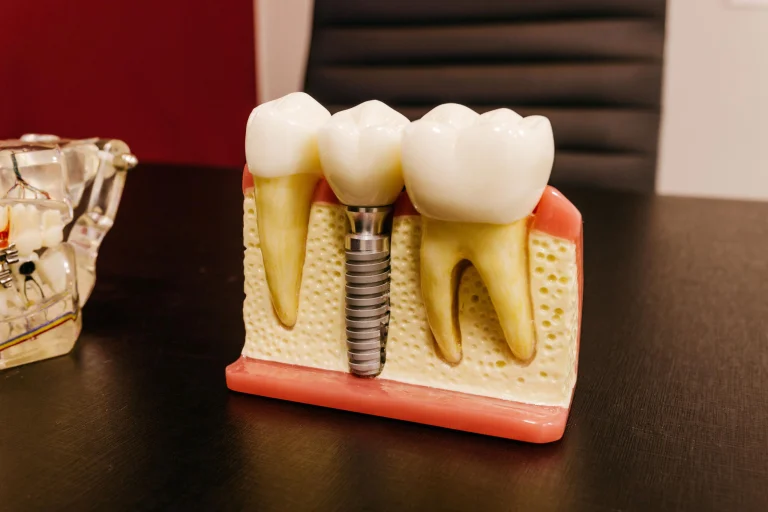
When a denture slips despite a good fit, implants can hold it. Implant-supported dentures use strategically placed implants so the denture doesn’t slip or click, and they support the jawbone and help prevent further bone deterioration.
- Lower dentures: the implant-supported denture is the standard of care recognized by the ADA for a lower denture. A lower snap-on denture uses a minimum of two implants, and four or more are often preferred for stability.
- Upper dentures: an upper snap-on set usually rests on four or five implants and is horseshoe-shaped, leaving most of the palate uncovered.
- Your current denture: implants can be placed under dentures you already have, although new, properly constructed dentures are often recommended for the best long-term value.
- Fixed teeth: if you would rather have teeth that never come out, All-on-4 permanent dentures are another option.
For the full step-by-step process of moving from a loose denture to implant teeth, read switching from loose dentures to implant teeth.
Loose partial dentures
Partials loosen for their own reasons. A conventional partial usually grips nearby teeth with metal clasps, and clips put stress on the teeth they hold, which can eventually cost you that tooth. When a tooth that supports a partial is lost, the partial may no longer fit, and with a conventional partial that can mean starting over.
A partial secured by implants needs no clips or wires. If you still have teeth that can be saved, they are kept, and with a snap-on implant partial a tooth can simply be added later if needed.
What about denture adhesive?
Some people feel more comfortable wearing an adhesive under their dentures, particularly full dentures, and over-the-counter adhesives are fine to try. Remove all of the adhesive each day when you clean your denture. If you find you need more and more to keep a denture in, that is a sign the fit should be checked rather than a problem to solve with more adhesive.
Daily habits that protect the fit
- Take the denture out for at least 8 hours a day, preferably at bedtime, to avoid sores and fungus.
- Clean it after meals, and at night brush it and soak it in water, mouthwash or a denture cleaner.
- Don’t let it dry out, since that can warp it.
- Clean it over a basin with a washcloth and water in the bottom, in case you drop it.
- Keep regular dental visits so the fit and bite can be checked and you can be screened for oral cancer.
Dentures in Timonium, MD, for Cockeysville and Towson patients
The office is in Timonium Green, a short drive from Cockeysville, Lutherville and Towson. Full and partial dentures, relines, extractions, implant placement and implant dentures are all handled in the same local office, so you are not sent elsewhere for part of your care. Laughing gas and oral conscious sedation are available if you are anxious. From York Rd, turn onto Timonium Rd, then right onto Greenspring Dr, and take the very first left into the parking lot.
Paying for denture care
The practice is out of network with all dental insurance companies. You pay at the time of your visit, and the office files the claim on your behalf so your plan can reimburse you for what it covers. Health savings and flex plans are welcome. CareCredit offers no-interest options for up to 12 months, and Cherry offers payment plans from 3 to 24 months. See financing options.
Frequently asked questions
Can a loose denture cause problems?
Yes. A poorly fitting denture can cause problems with the underlying tissues and lead to bone loss, which makes the fit worse over time. It is worth having it checked.
How often do dentures need relining?
Immediate dentures are relined in-house at 3 months and sent for a lab reline at about a year. After that, dentures should be checked routinely for fit and bite at your dental visits.
Can you fix dentures that another office made?
Yes. Bring in your problem dentures. Depending on what is wrong, the answer may be an adjustment, a reline, a new denture or implants.
Do I need all new teeth to get implant dentures?
Not necessarily. Implants can be placed under existing dentures, though new, properly constructed dentures are often recommended for the best long-term value.
Bring in your loose dentures
If your denture slips, rubs or clicks, a visit will show why and what will fix it. Learn more about dentures in Timonium, request an appointment or call (410) 453-9399. The office is at 108 W Timonium Rd, Ste 200, Timonium, MD 21093.
Ready to see your future smile?
Denture slipping or rubbing? Bring it in to our Timonium office.